是呢 干啥去 吃了没
“- Laohei. - Yeah. Where to? Have you eaten?”
THE DIALOGUE REEL
白吃白干那事 我刁老黑干不出来 这义气 黑哥
“I don't take things for free. That's loyalty. - Laohei. - Yeah.”
是呢 干啥去 吃了没
“- Laohei. - Yeah. Where to? Have you eaten?”
“We were going for noodles. Noodles? What noodles?”
Direct spoken expression in this communicative setting.
Asking 'Have you eaten?' is a conventional interpersonal icebreaker showing warmth rather than a genuine demand for nutritional details.
LEARNING CHUNKS & PARTICLES
where are you going / what are you up to
A colloquial northern Chinese greeting used when bumping into an acquaintance.
have you eaten yet
The quintessential Chinese phatic greeting, functioning like 'how are you' rather than a literal inquiry.
Softens the agreement and adds an informal, friendly cadence to the response.
VOCABULARY & EXPRESSIONS
Parallel Spoken Cinema Scenes (语义近邻切片)
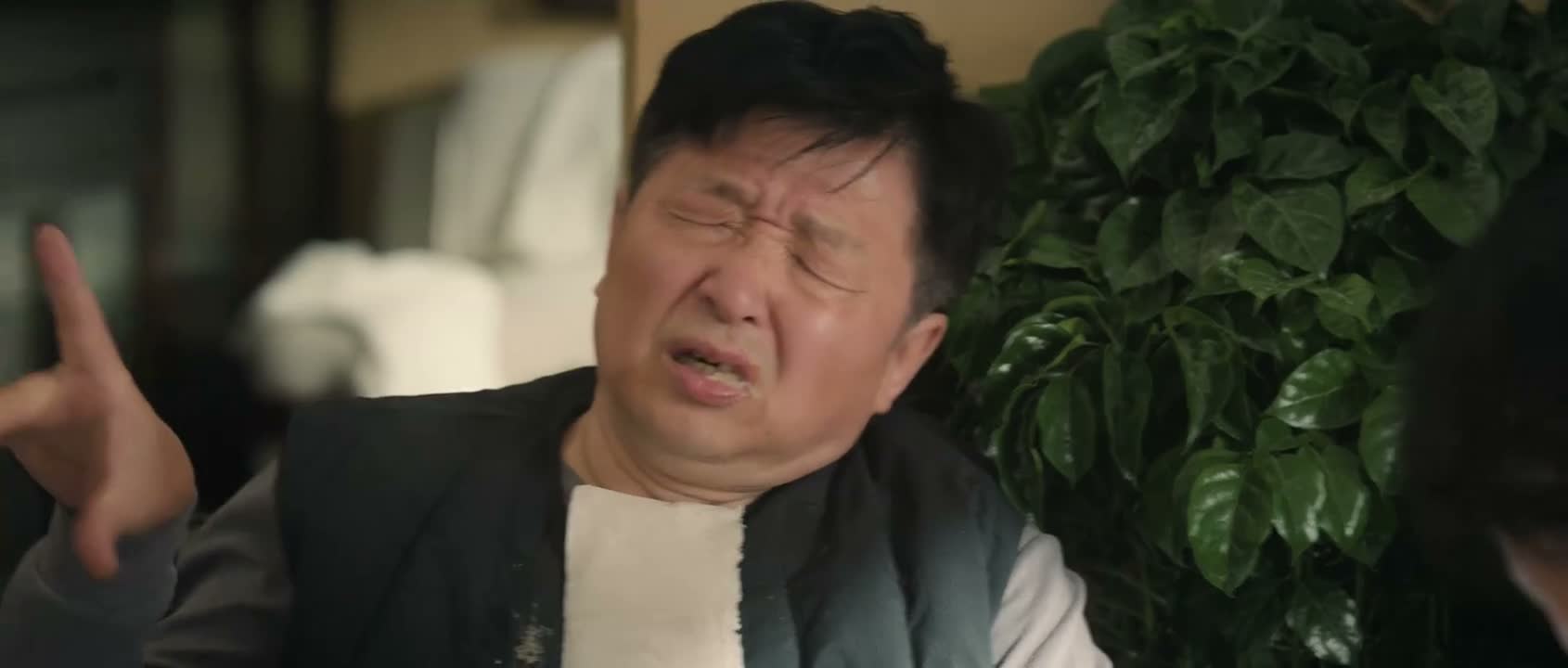
“What do you want? Are you eating or not?”

“What are you doing? Turn around.”
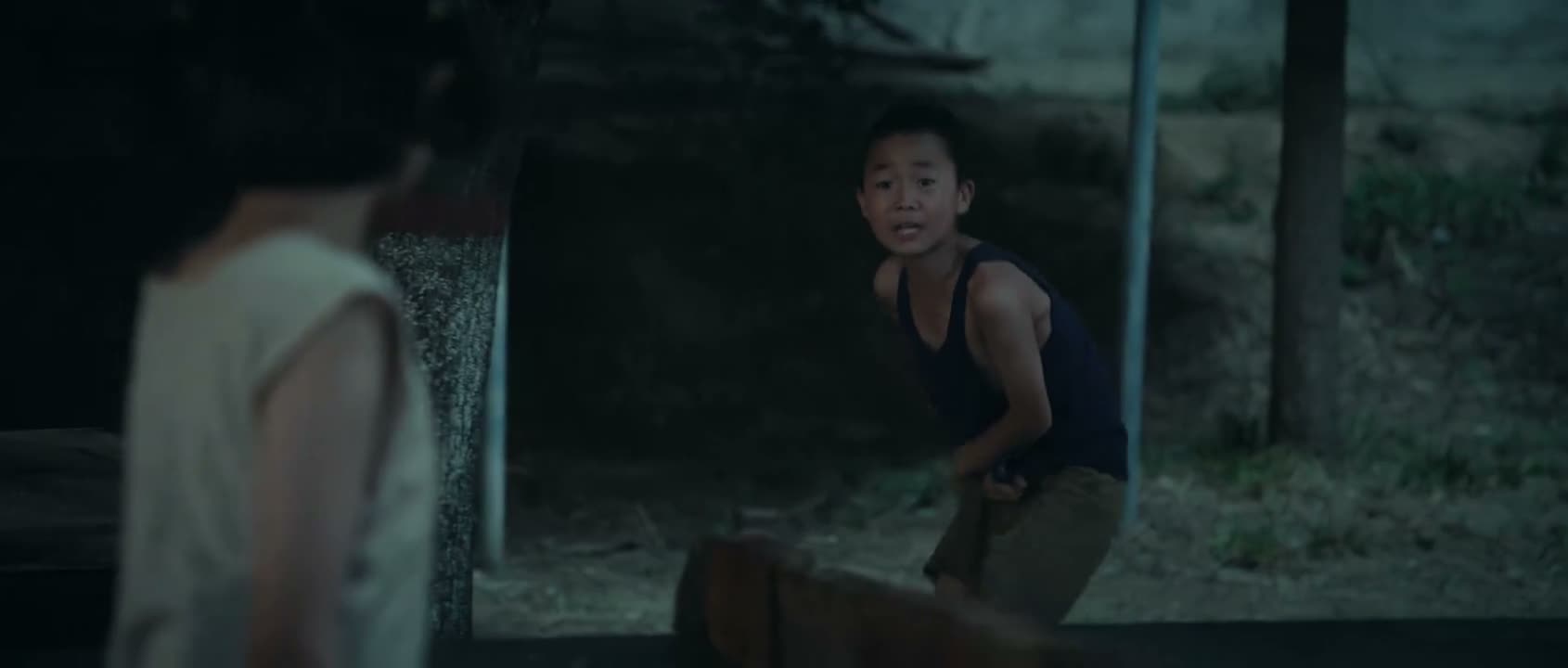
“What? You scared me.”

“what I do or where I go isn't for you to decide.”

“Where are you going? I'll talk to you later.”

“Why are you so distracted?”