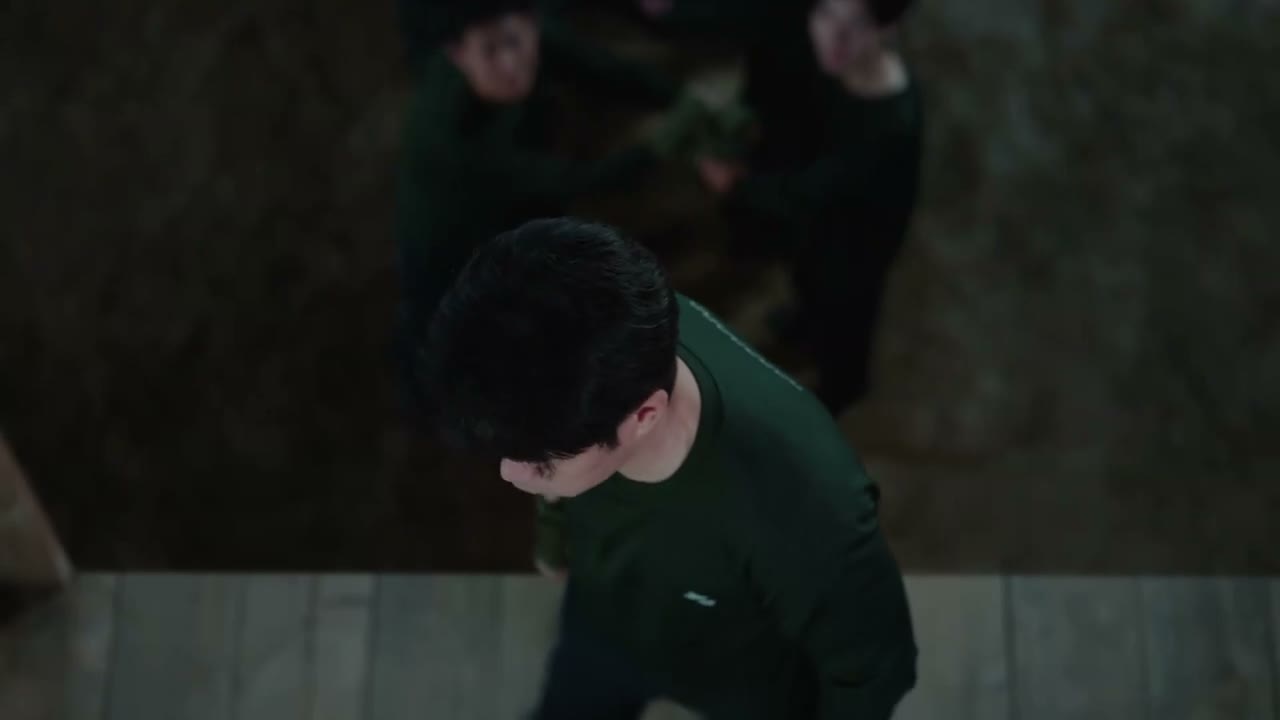
《The Knockout》 S1·E32 (02:44)
HSK 2
zhè bù nǐ zì jǐ shàng lái de ma wǒ kǒng gāo
这不你自己上来的吗 我恐高
“You came up here yourself. I'm afraid of heights.”
《The Knockout》
S1·E32
TIMECODE: 02:44
·
1080P MASTER AUDIO
THE DIALOGUE REEL
[-1] PREVIOUS TURN
néng gòu ràng tiáo dào ràng wǒ xià qù ma
“Can you move aside and let me go down?”
zhè bù nǐ zì jǐ shàng lái de ma wǒ kǒng gāo
CURRENT FOCUS
这不 你 自己 上来 的吗 我恐高
“You came up here yourself. I'm afraid of heights.”
[+1] FOLLOW-UP TURN
nǐ kǒng gāo nǐ pá zhè me gāo lái
“You're afraid of heights but you climbed up here?”
Subtitles synced to millisecond timecode
Browse Show Clips →
Scene:
Crisis & Conflict
Function:
DEFLECTING RESPONSIBILITY
Tone:
DEFENSIVE
Emotion:
FEAR
WHAT THEY REALLY MEAN (PRAGMATIC SUBTEXT)
“Don't blame me for blocking you; you climbed up here on your own, and I am too terrified to budge.”
💡 Cultural Insight: Self-inflicted Blame (自作自受)
In Chinese pragmatic disputes, pointing out that someone got into a mess voluntarily serves as a socially acceptable justification for refusing assistance.
INTENT TAGS:
#refusal
#deflection
#self_defense
#blame_shifting
🧩
2 CHUNKS · 1 PARTICLES
LEARNING CHUNKS & PARTICLES
这不你自己
SPOKEN CHUNK
isn't this your own doing
A colloquial rebuttal used to point out that someone created their own dilemma.
恐高
SPOKEN CHUNK
afraid of heights / acrophobic
Common everyday term used to excuse oneself from heights or high locations.
Modal Particle「吗」 (ma)
CHANGE OF STATE
Turns the statement into a rhetorical question asserting obvious responsibility.
🏮
4 EXPR · 0 GRAMMAR
VOCABULARY & EXPRESSIONS
COLLOQUIAL EXPRESSIONS:
CROSS-CINEMA CORPUS BOARD · PARALLEL SCENES
EXPLORE BY SEMANTIC SIMILARITY
Parallel Spoken Cinema Scenes (语义近邻切片)
《The Knockout》 S1·E32 (02:44) · Authentic Cinema Dialogue Corpus