我觉得穆静说得对 我也相信咱儿子
“Mujing is right. I believe in Hua.”
THE DIALOGUE REEL
“do you think Qu Hua could live with that? You! Qu,”
我觉得 穆静 说得对 我也 相信咱儿子
“Mujing is right. I believe in Hua.”
没事的
“It'll be fine.”
Direct spoken expression in this communicative setting.
Chinese parents often use collective terms like 'our child' (咱儿子) to foster solidarity and mutual encouragement when confronting deep family hardships.
LEARNING CHUNKS & PARTICLES
our son
The pronoun '咱' creates an inclusive, intimate bond between spouses or close in-group members.
to be able to step out of (a trauma/crisis); to overcome a setback
Commonly used in psychology and interpersonal contexts when talking about overcoming emotional or life trauma.
VOCABULARY & EXPRESSIONS
Parallel Spoken Cinema Scenes (语义近邻切片)

“Mujing and I will walk you home later.”

“You've been going to the school every day. Have you seen Mujing?”
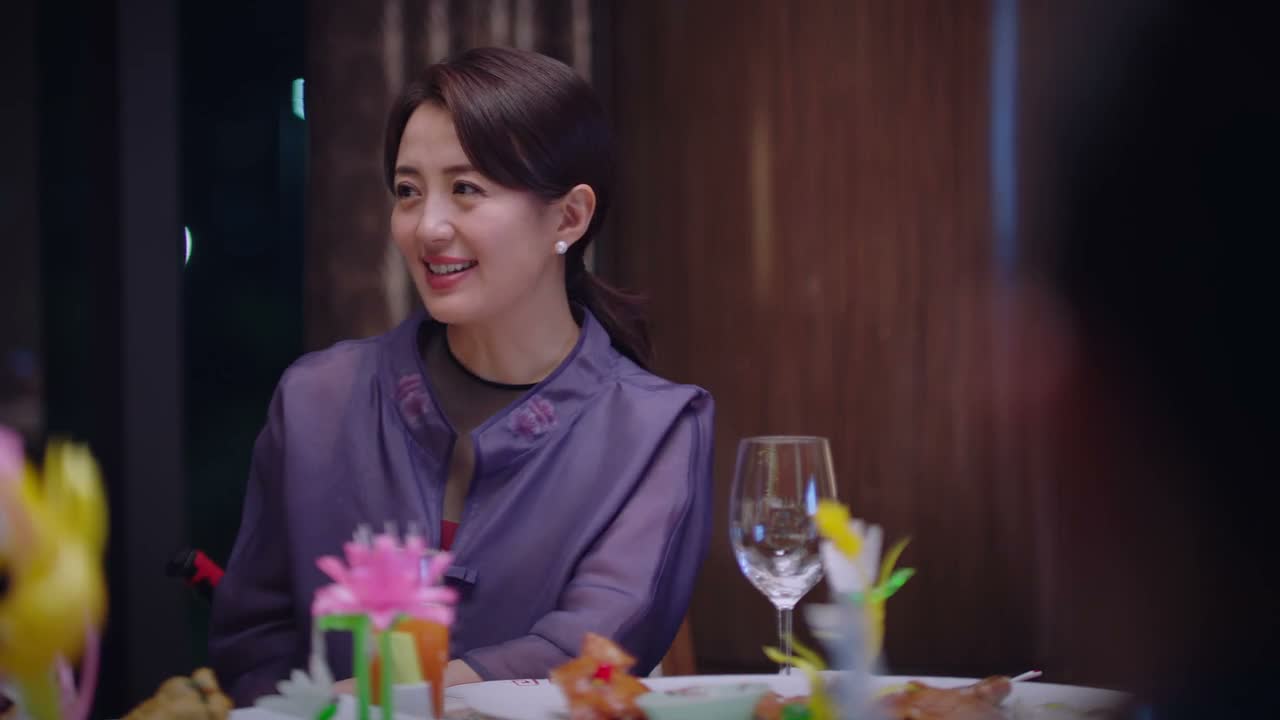
“Fortunately, my son is thoughtful.”
“It's very inspiring to me. I also agree with this idea.”
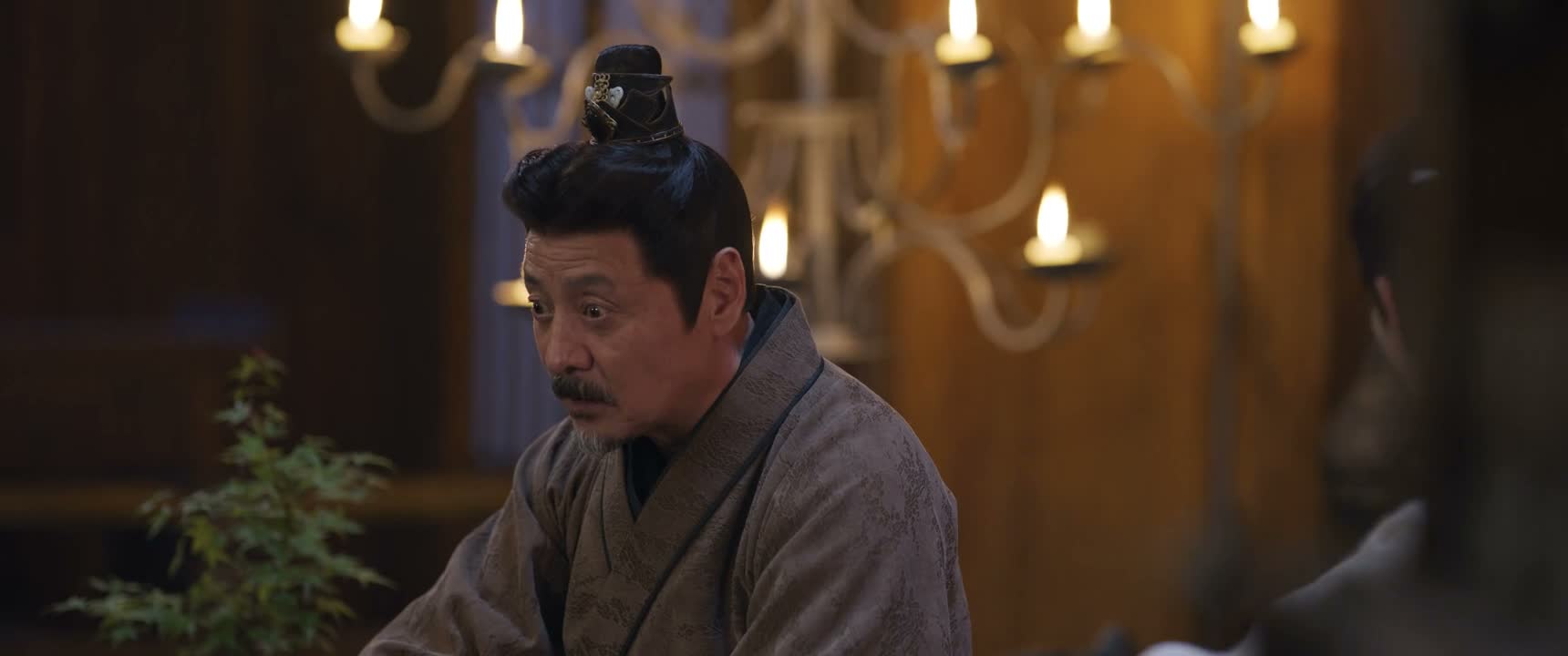
“You make a good point.”
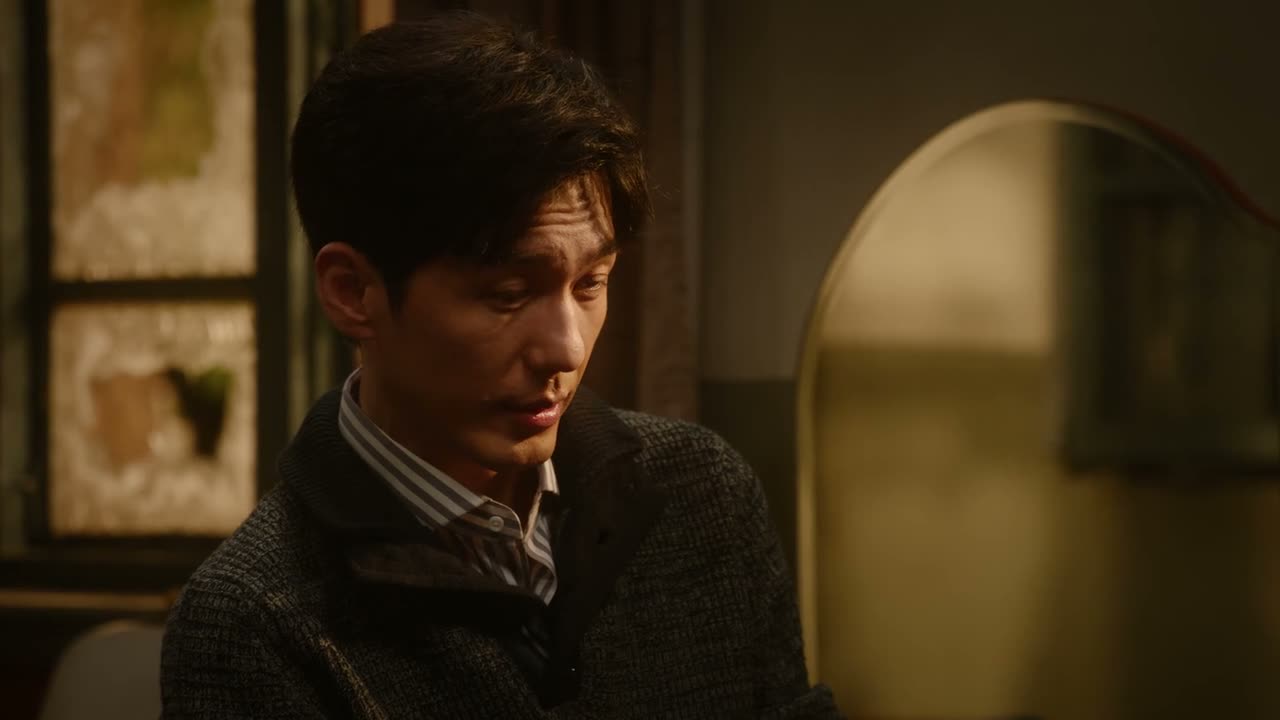
“Who can bully your son?”