别哭了 没事的 其实哭出来也挺好的
“Don't cry anymore. It's okay. Actually, it's good to cry it out.”
THE DIALOGUE REEL
一定可以毕业的
“You'll definitely graduate.”
别哭了 没事的 其实 哭出来也挺好的
“Don't cry anymore. It's okay. Actually, it's good to cry it out.”
你妈妈在食堂打饭 不会马上回来
“Your mother is getting food at the cafeteria. She won't be back right away.”
Direct spoken expression in this communicative setting.
While traditional Chinese culture often encourages emotional restraint, modern interpersonal interactions increasingly validate crying as a healthy way to release stress.
LEARNING CHUNKS & PARTICLES
stop crying / don't cry
A common spoken phrase used to comfort someone who is weeping.
it's alright / no problem
Widely used to reassure someone that everything will be fine.
cry it out / let the tears out
Uses the directional complement to express venting suppressed emotions through crying.
Signifies a request to halt an ongoing action when paired with the negative command marker.
Softens the assertion and adds a reassuring, affirmative tone to the statement.
VOCABULARY & EXPRESSIONS
Parallel Spoken Cinema Scenes (语义近邻切片)
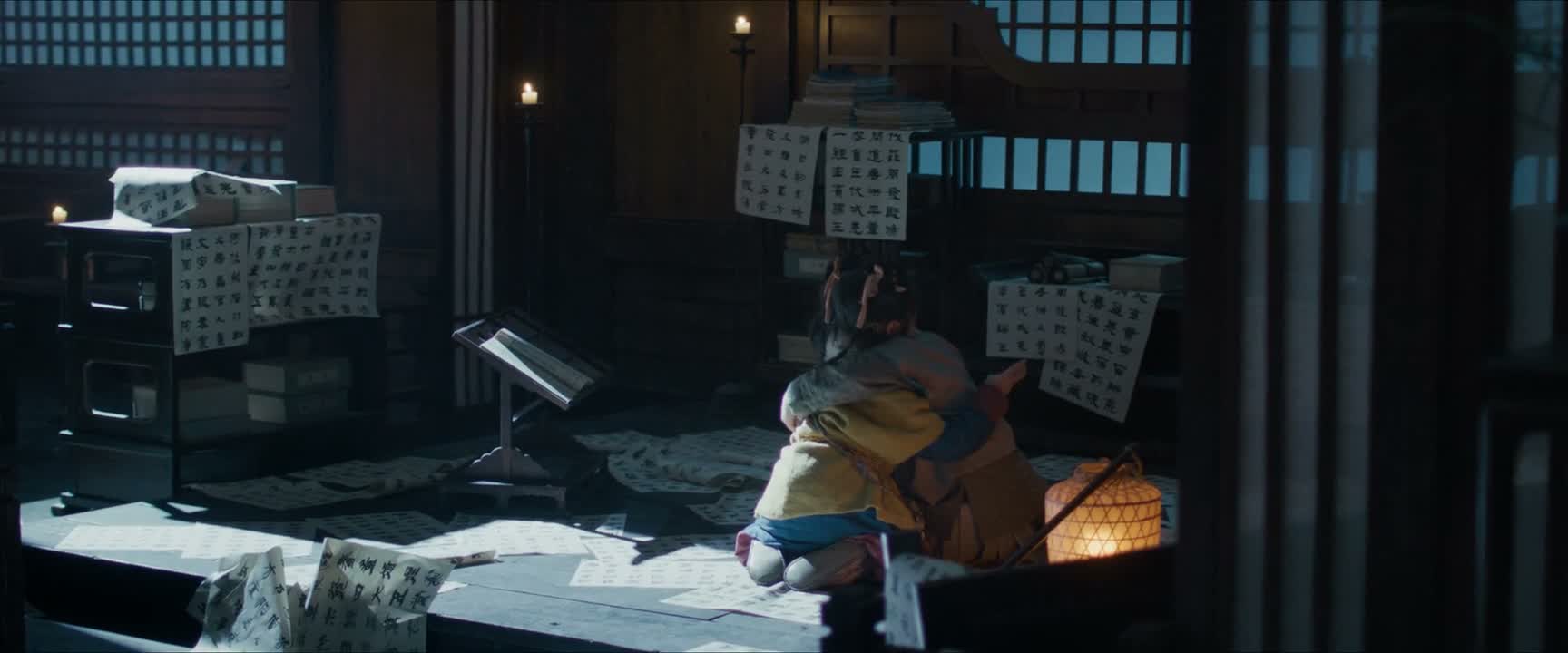
“Don't cry.”

“Don't cry. It's not like I'm not coming back.”

“Stop crying. People would think I did something to you.”

“Don't cry. People around thought I was bullying you.”
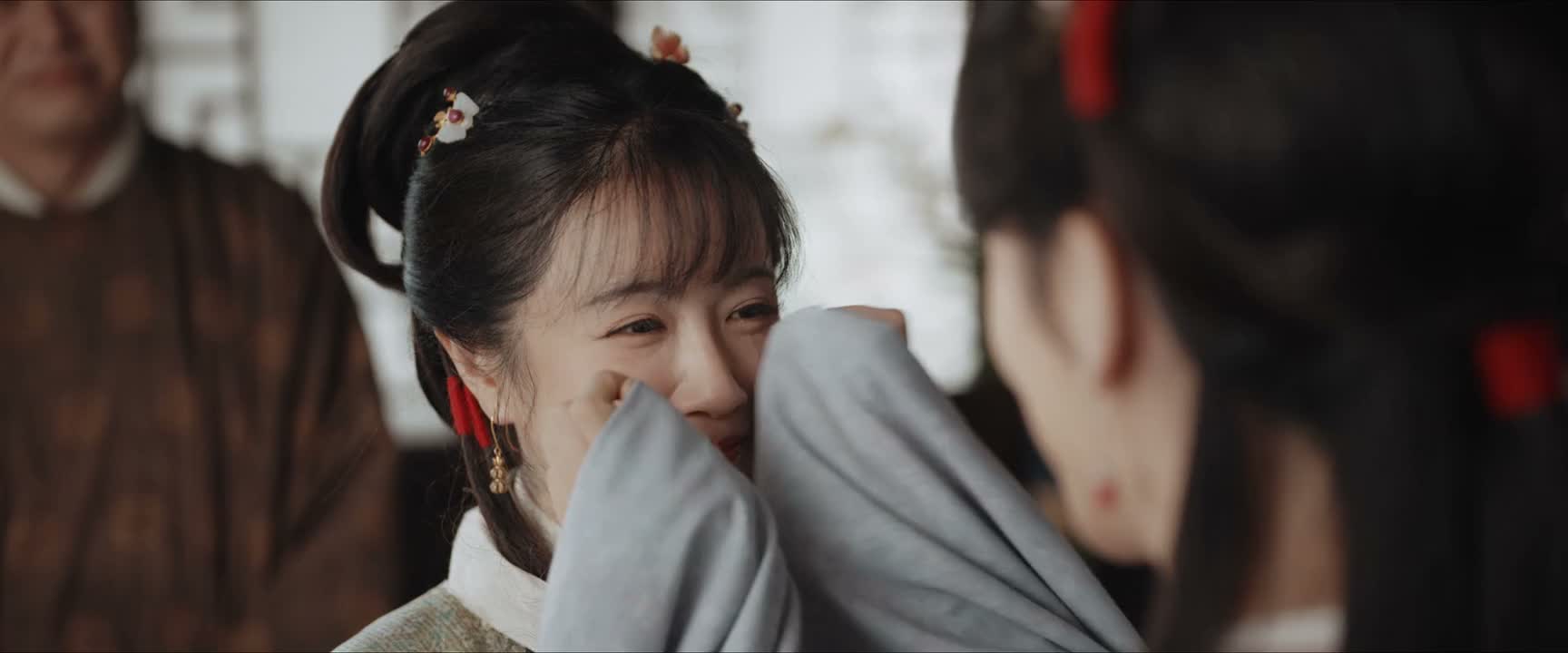
“Don't cry. If you keep crying, you won't be pretty anymore.”
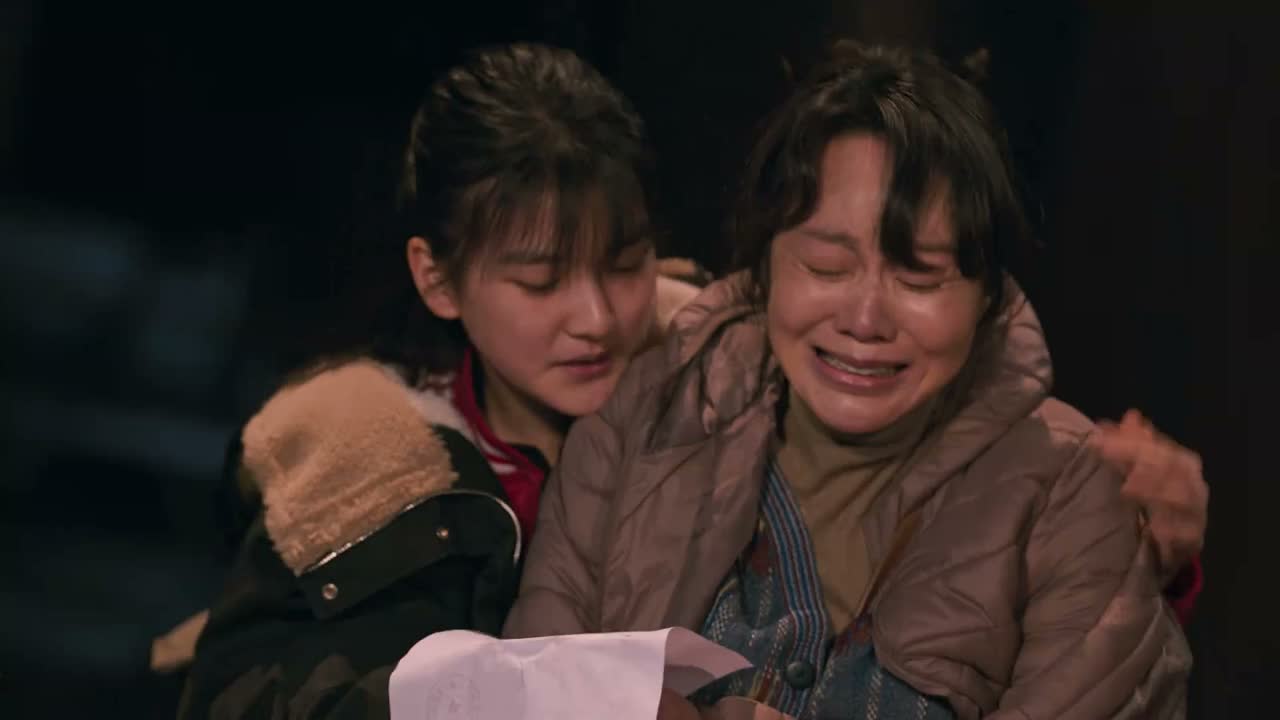
“Stop crying, sweetie. Stop crying.”