没事的
méi shì deCommon spoken expression used by native Chinese speakers in daily life.
[Scene: 其他场景]
(9 clips) 00:02
 00:02
(也不打声招呼啊 你找我有事吗) ── Previous context
“If not, I have business to attend to. Wait a minute.”
 00:02
 00:03
 00:03
 00:02
(应该快了) ── Previous context
“If you're free, help me count how much money is here.”
 00:03
(还没有床上用品 一会都给你弄上) ── Previous context
“When you have nothing to do, you can learn how to ship orders.”
 00:02
 00:03
[Scene: 社交聚会]
(9 clips) 00:02
 00:03
 00:02
 00:03
 00:02
 00:03
(怎么?喜欢我? 别 姑娘可别乱说话呀 我…) ── Previous context
“Does it suit your taste? If there's nothing else, I'll be going now.”
 00:02
 00:02
 00:03
[Scene: 其他场景]
(4 clips) 00:03
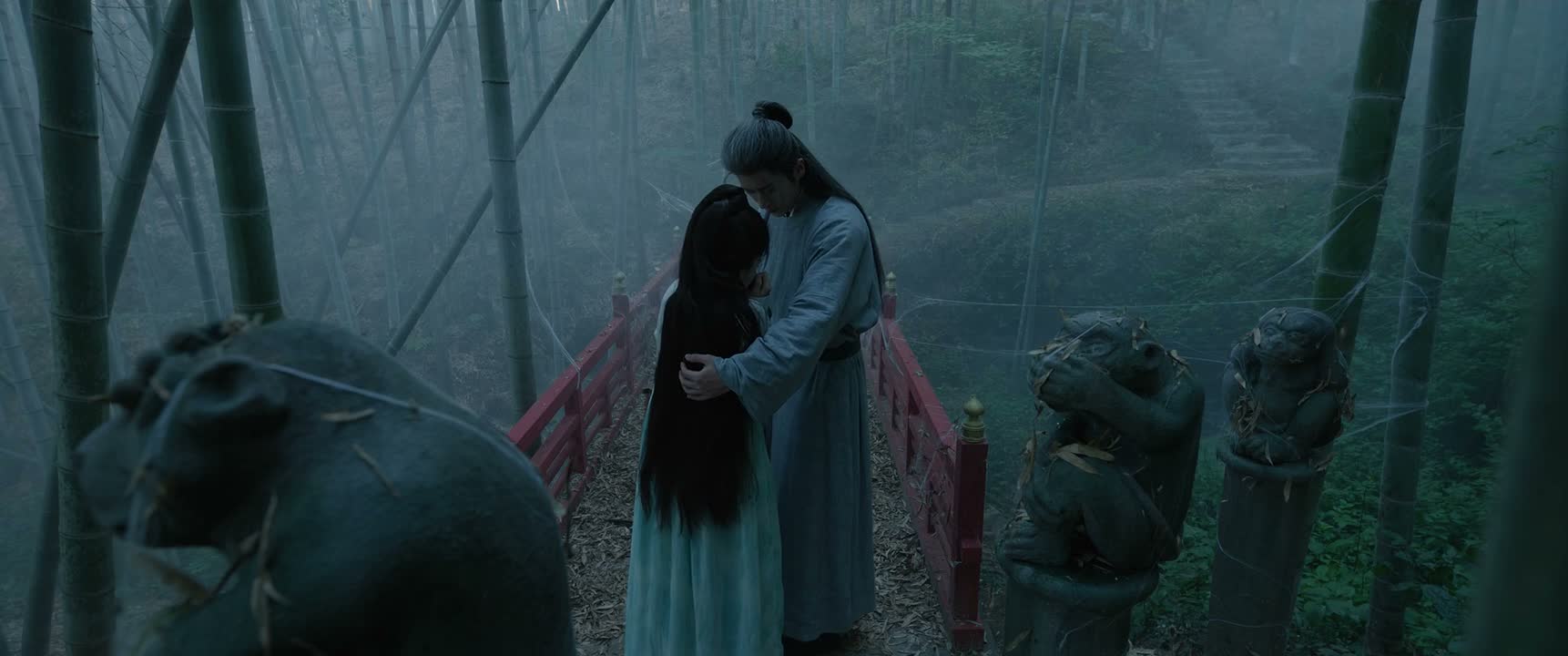 00:02
 00:03
(全赔给我啊 全补给我啊 我补什么补 我补) ── Previous context
“You kept texting my girlfriend, like a ghost haunting me.”
 00:02
(到时候有事的孩子 一个也走不了) ── Previous context
“And the innocent ones? We won't keep them a second longer.”
[Scene: 职场工作]
(3 clips) 00:03
(有事找我啊 有事找我) ── Previous context
“I knew it! I knew you would be fine. I told them.”
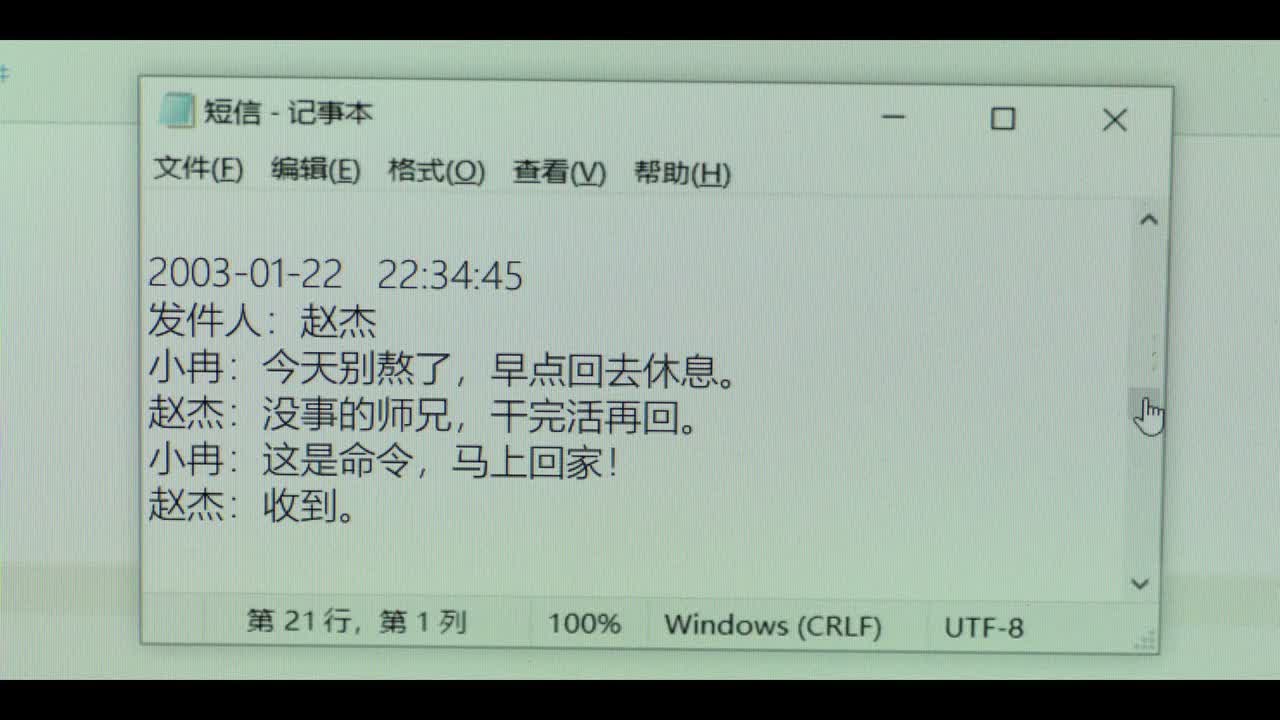 00:02
 00:02
[Scene: 家庭日常]
(2 clips) 00:02
 00:02
[Scene: 历史宫廷]
(2 clips) 00:03
 00:02
[Scene: 其他场景]
(1 clips) 00:02
(轻一点 轻一点 轻一点) ── Previous context
“It's alright. It's alright. Changning, it's alright.”
[Scene: 其他场景]
(1 clips) 00:03
(一定可以毕业的) ── Previous context
“Don't cry anymore. It's okay. Actually, it's good to cry it out.”
📌 没事
→Nuance: 同为安慰宽慰,表达更具体生动
📌 没事
→Nuance: 文本完全相同,核心意图一致
📌 放心
→Nuance: 口吻更轻松的安抚与保证
📌 放心
→Nuance: 核心交际意图完全一致可互换
📌 怎么办
→Nuance: 口吻更轻松的安抚与保证
📌 放心吧
→Nuance: 口吻更轻松的安抚与保证
📌 放心吧
→Nuance: 核心交际意图完全一致可互换
📌 对不起
→Nuance: 核心安抚回应意图一致