没事的 走 去吃饭
“It's fine. Come on, let's eat.”
THE DIALOGUE REEL
没事的 走 去吃饭
“It's fine. Come on, let's eat.”
走吧
“Let's go.”
“Don't overthink it, let's just get some food and relax.”
Inviting someone out to eat ('去吃饭') is a classic Chinese social strategy to alleviate emotional distress, sidestep awkward topics, and build camaraderie.
LEARNING CHUNKS & PARTICLES
it's alright / no worries
Frequently used to comfort a friend and minimize their immediate anxiety or guilt.
go have a meal
A standard casual invitation to transition away from work or tension into relaxation.
Confirms the state of affairs with reassurance, meaning 'really, it's totally fine'.
VOCABULARY & EXPRESSIONS
Parallel Spoken Cinema Scenes (语义近邻切片)

“It's okay. Young people are always busy.”

“It'll be fine. Just relax.”

“It's okay. Anyway, we have to do the acceptance sooner or later.”
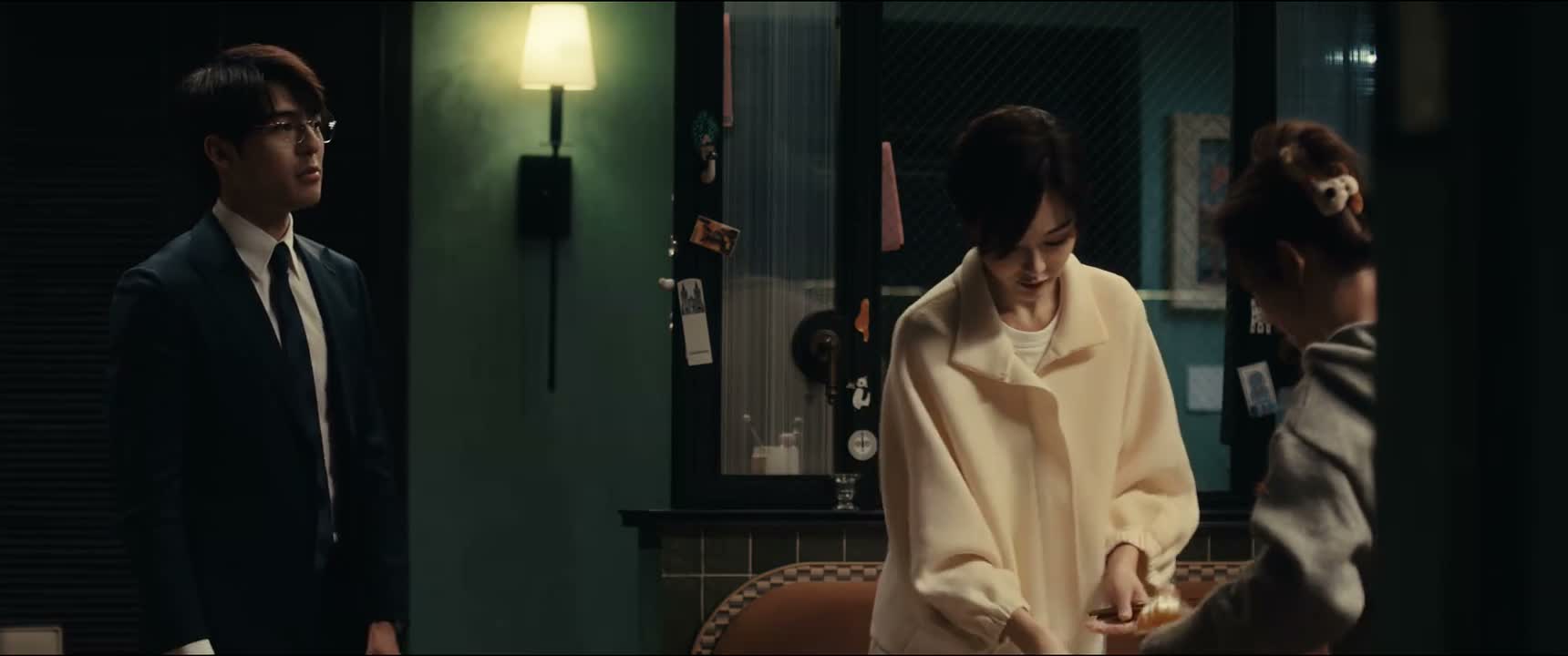
“It's okay. You guys eat. I'll get going first. I have something to take care of later.”
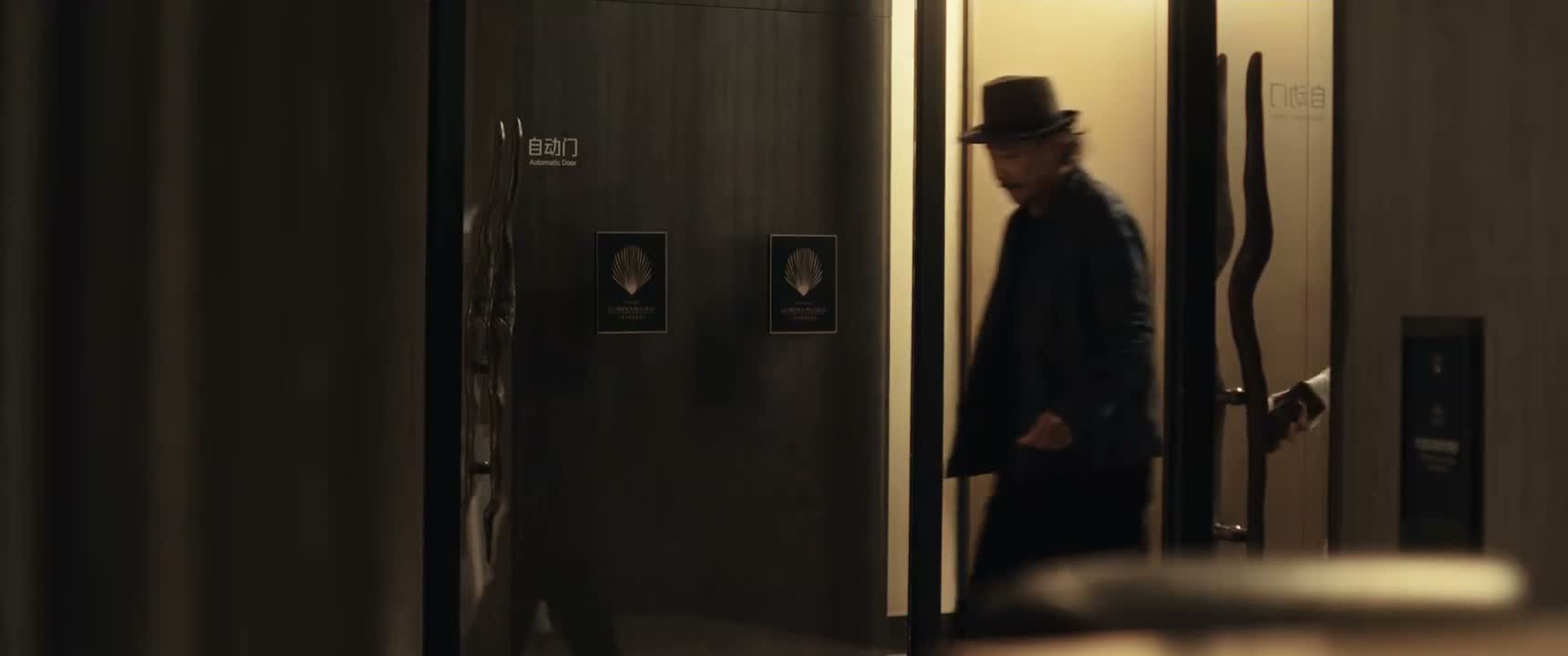
“It's fine. I'll walk you upstairs. No need.”

“It is okay. After all,”