要不然 都不知道会发生什么了
“Otherwise, who knows what might have happened?”
THE DIALOGUE REEL
还好今天你在
“I'm really glad you were here today.”
要不然 都不知道会发生什么 了
“Otherwise, who knows what might have happened?”
你不用客气
“No need to thank me.”
“I am so relieved you were there; things could have gone terribly wrong without you.”
In Chinese social interaction, emphasizing how disastrous things would have been without the other person's help is a classic way to show profound gratitude and elevate the other person's value.
LEARNING CHUNKS & PARTICLES
otherwise / or else
A very common spoken transition used to introduce an undesirable hypothetical consequence.
one wouldn't even know what might have happened
A frequent idiom-like remark used to dramatize a narrow escape from danger or trouble.
Marks a completed hypothetical change of state and adds an exclamation of realized danger.
VOCABULARY & EXPRESSIONS
Parallel Spoken Cinema Scenes (语义近邻切片)

“Otherwise, we'd be in big trouble.”

“Nothing will happen. I'm here.”
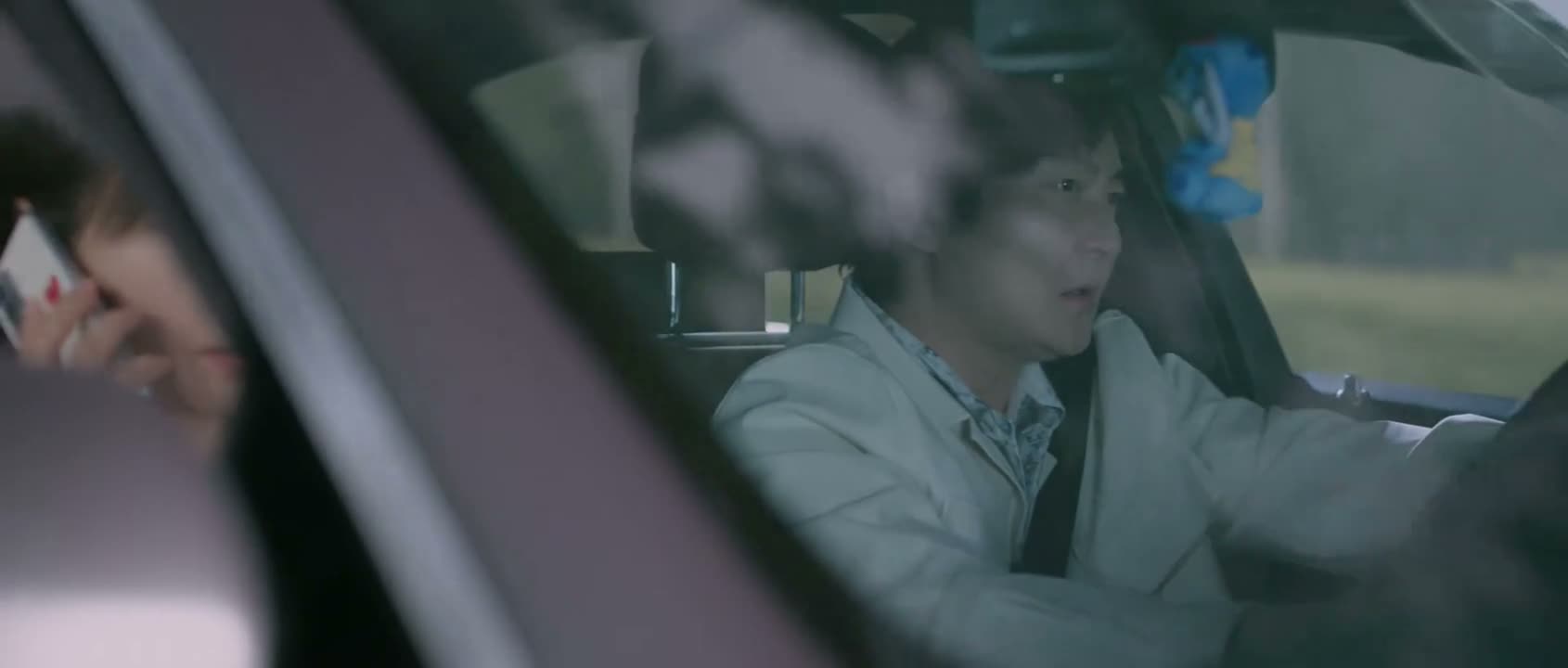
“Could something have happened to her?”

“We also don't know what the outcome will be after reporting upwards.”

“Who knows what he'll do next time?”
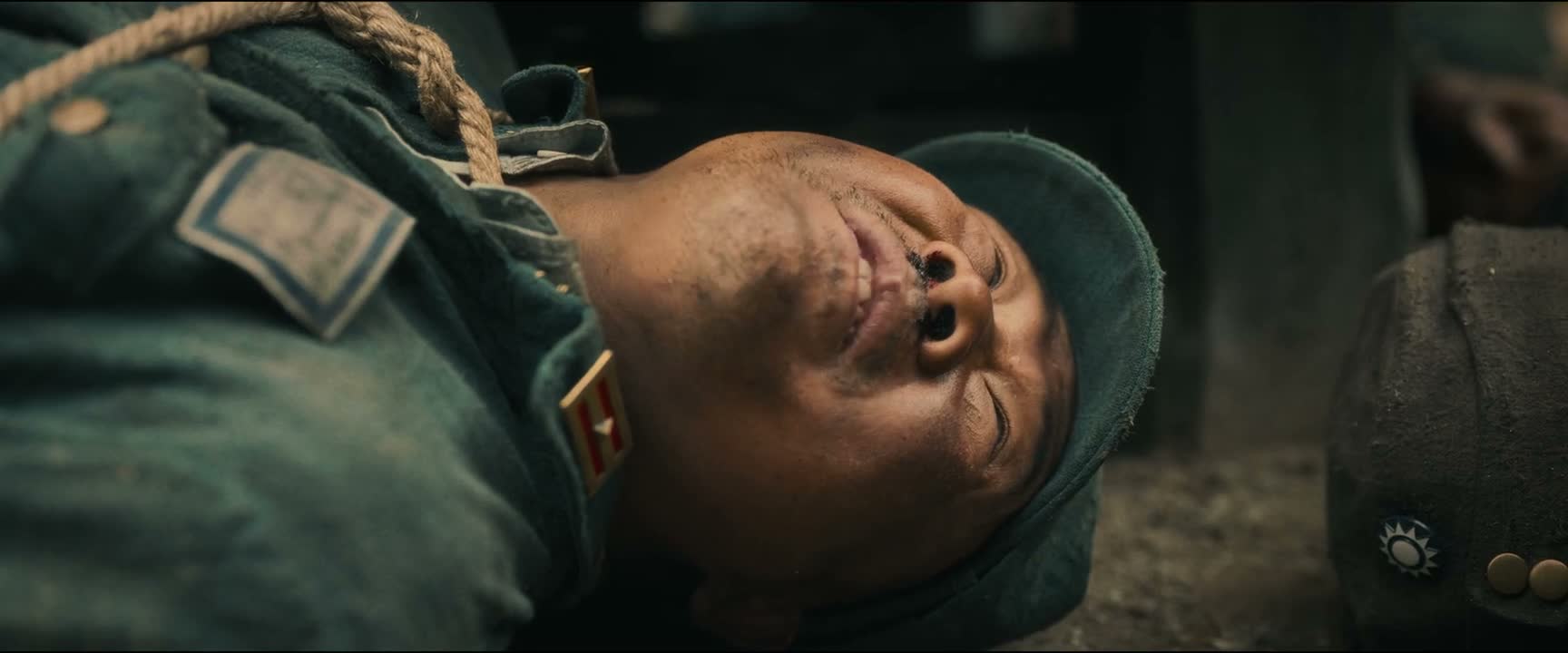
“Who knows what will happen next.”
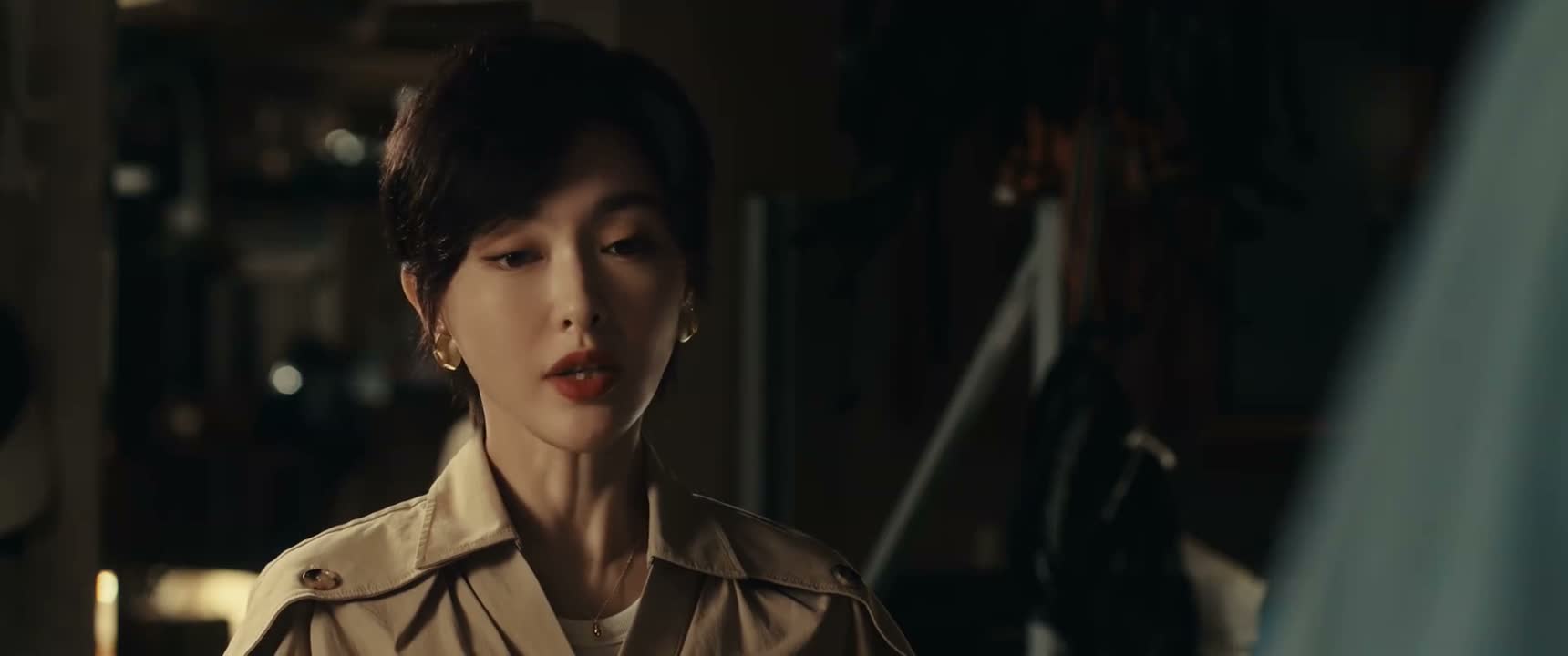
“If you haven't figured it out by then,”

“who knows what she will do?”