我们也不知道 向上面汇报之后 会有什么样的结果
“We also don't know what the outcome will be after reporting upwards.”
THE DIALOGUE REEL
是 书记
“Yes, Mr. Zhao.”
我们 也不知道 向上面 汇报 之后 会 有什么 样 的 结果
“We also don't know what the outcome will be after reporting upwards.”
我理解你们
“I understand.”
“The decision is out of our hands, so don't expect too much or hold us accountable.”
Chinese administrative and workplace culture places strong emphasis on hierarchical reporting systems. When facing thorny problems, subordinates often 'report upward' to shift decision-making risks and deflect responsibility.
LEARNING CHUNKS & PARTICLES
to report to higher-level leaders or superior departments
A very high-frequency set phrase in institutional and corporate settings, often used to indicate following hierarchical procedures or deferring final decision-making authority.
what kind of outcome or result there will be
Used to express uncertainty, often functioning colloquially as a way to hedge, stall, or leave room for maneuver.
VOCABULARY & EXPRESSIONS
Parallel Spoken Cinema Scenes (语义近邻切片)

“Submit the report once you're done. I don't like reading electronic files,”

“we don't know the details either. But that's fine.”

“Otherwise, who knows what might have happened?”

“Mr. Gao, I... I really don't know anything.”

“Mr. Gao, I... I really don't know anything.”
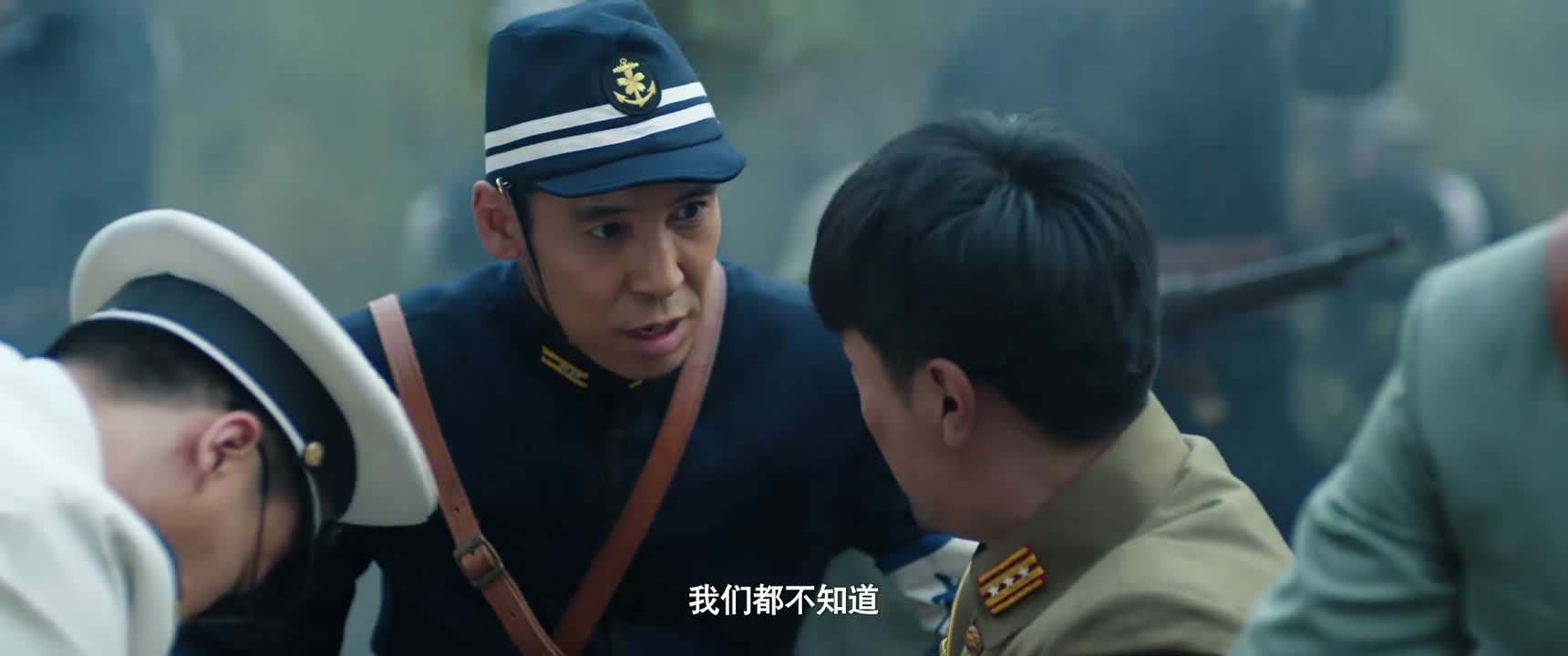
“We didn't know about it”

“there must be something we don't know behind it.”

“We don't know.”