你瞧你这小脸弄得 跟个小脏猴似的 爷爷
“Look at your face— you look like a dirty little monkey. Grandfather.”
THE DIALOGUE REEL
爷爷 祯娘 爷爷
“Grandfather! Zhen. Grandfather!”
你瞧你 这小脸弄得 跟个小脏猴似的 爷爷
“Look at your face— you look like a dirty little monkey. Grandfather.”
爷爷快来 快来看看 我烧成了 走
“Come on, Grandfather. Come see! I've made it! Let's go.”
Direct spoken expression in this communicative setting.
Calling a child a 'little monkey' (小猴) or 'dirty little monkey' (小脏猴) is a classic Chinese term of endearment indicating playfulness and familial warmth rather than an insult.
LEARNING CHUNKS & PARTICLES
look at you
A very common spoken phrase used to draw attention to someone's appearance or behavior, often teasing or mildly reproving.
just like...
A colloquial similic pattern used frequently in Northern and spoken Mandarin to describe resemblance.
VOCABULARY & EXPRESSIONS
Parallel Spoken Cinema Scenes (语义近邻切片)
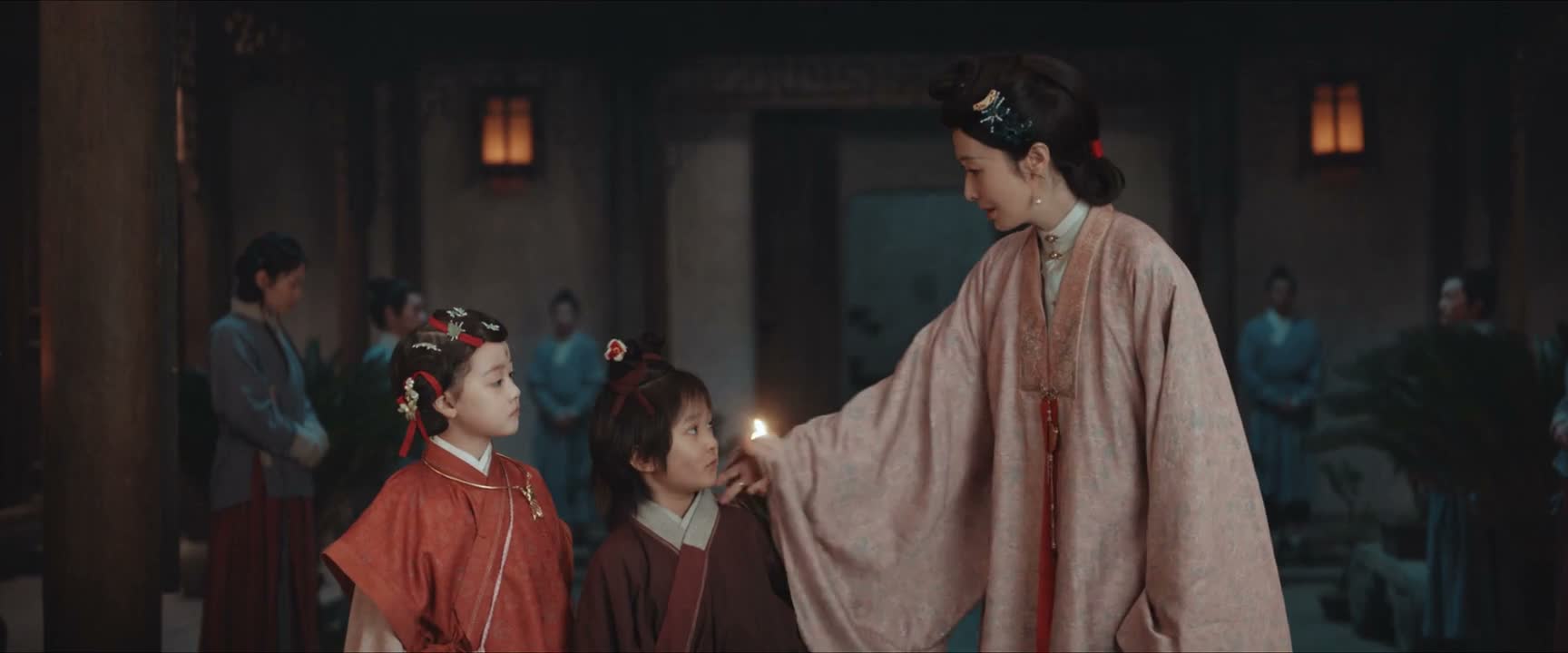
“Look at his dirty face.”

“You little monkey, you're covered in filth.”
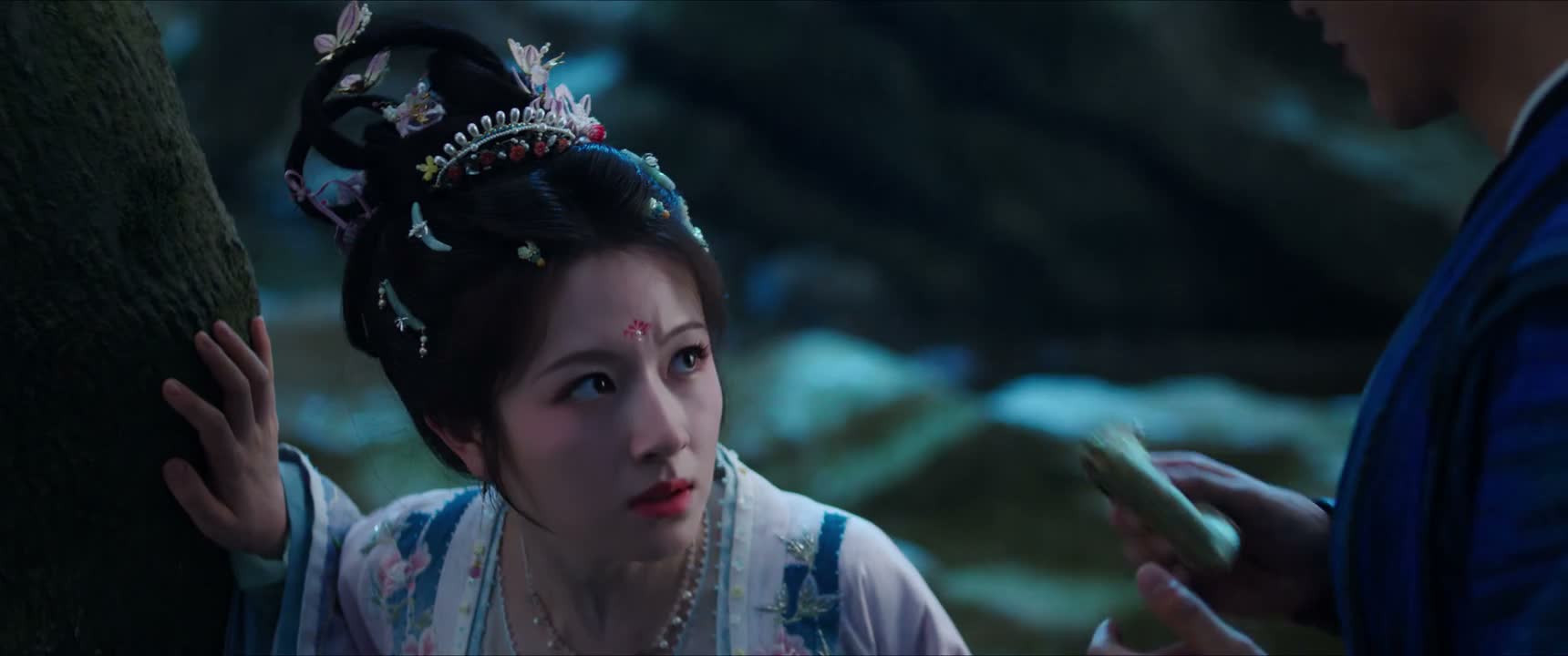
“Your face is dirty. Let me clean it for you.”