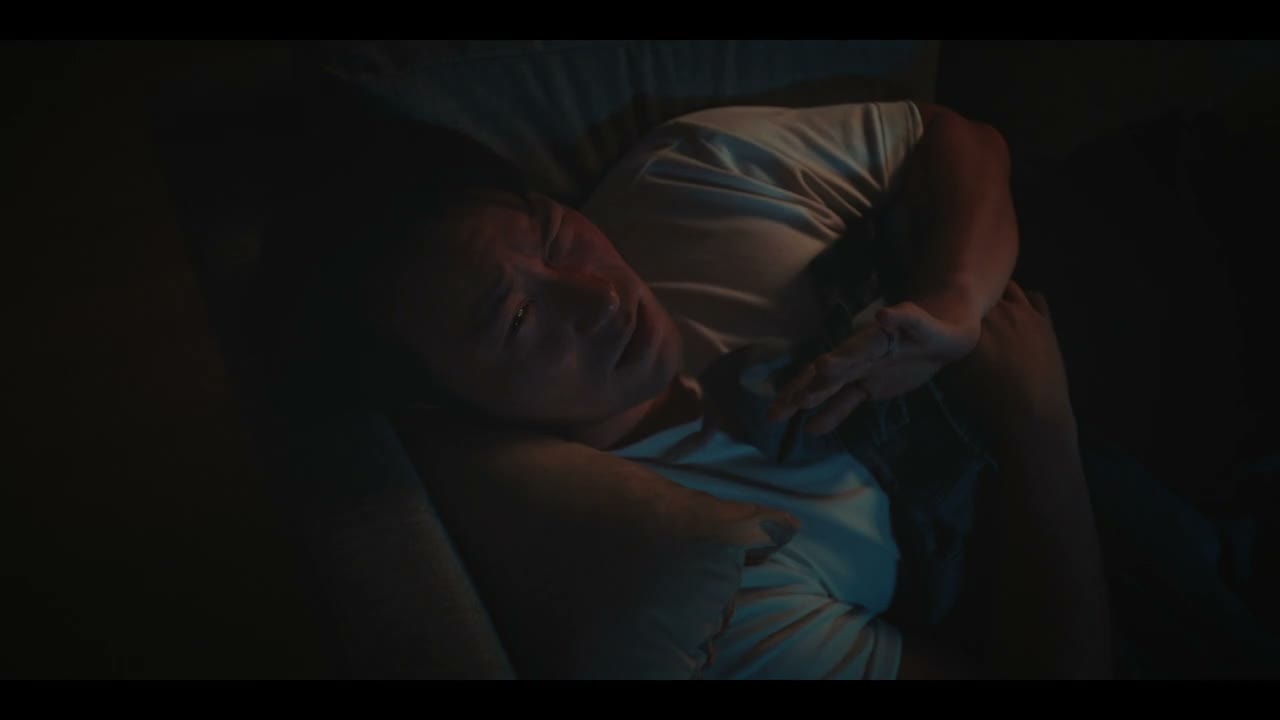
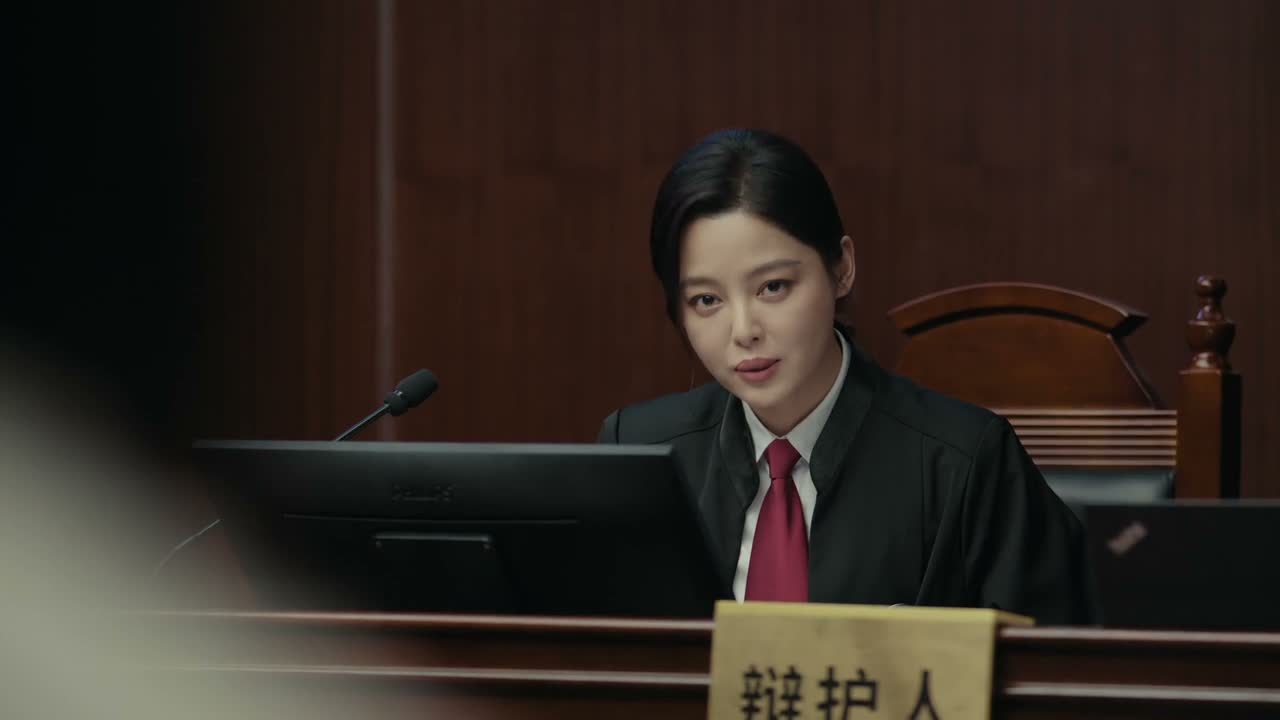
《Light to the Night》 S1·E24 (32:06)
HSK 5
nǐ shì bú shì wàng jì zì jǐ de shēn fèn le ?
你是不是忘记自己的身份了?
“Did you forget who you are,”
《Light to the Night》
S1·E24
TIMECODE: 32:06
·
1080P MASTER AUDIO
THE DIALOGUE REEL
nǐ shì bú shì wàng jì zì jǐ de shēn fèn le ?
CURRENT FOCUS
你 是不是 忘记 自己的 身份了?
“Did you forget who you are,”
[+1] FOLLOW-UP TURN
shā rén fàn
杀人犯
“murderer?”
Subtitles synced to millisecond timecode
Browse Show Clips →
Scene:
Crisis & Conflict
Function:
INTIMIDATION
Tone:
THREATENING
Emotion:
ANGER
WHAT THEY REALLY MEAN (PRAGMATIC SUBTEXT)
“Know your place; you have no right or leverage to bargain with me.”
💡 Cultural Insight: Shenfen (Identity and Social Standing)
In Chinese social interactions, reminding someone of their 'shenfen' is a sharp tool to enforce hierarchy or social stigmatization and force submission.
INTENT TAGS:
#intimidation
#putting_down
#confrontation
#asserting_dominance
🧩
2 CHUNKS · 1 PARTICLES
LEARNING CHUNKS & PARTICLES
忘记自己的身份
SPOKEN CHUNK
forget one's place or identity
Commonly used in confrontations to rebuke someone for overstepping their boundaries or status.
是不是
SPOKEN CHUNK
isn't it / did you or didn't you
Used at the start of a sentence or before a verb to formulate an accusatory or probing tag question.
Modal Particle「了」 (le)
CHANGE OF STATE
Marks an aspectual change of state, highlighting that the person has now seemingly forgotten their standing.
🏮
2 EXPR · 1 GRAMMAR
VOCABULARY & EXPRESSIONS
COLLOQUIAL EXPRESSIONS:
GRAMMAR BLUEPRINTS:
CROSS-CINEMA CORPUS BOARD · PARALLEL SCENES
EXPLORE BY SEMANTIC SIMILARITY
Parallel Spoken Cinema Scenes (语义近邻切片)
《Light to the Night》 S1·E24 (32:06) · Authentic Cinema Dialogue Corpus