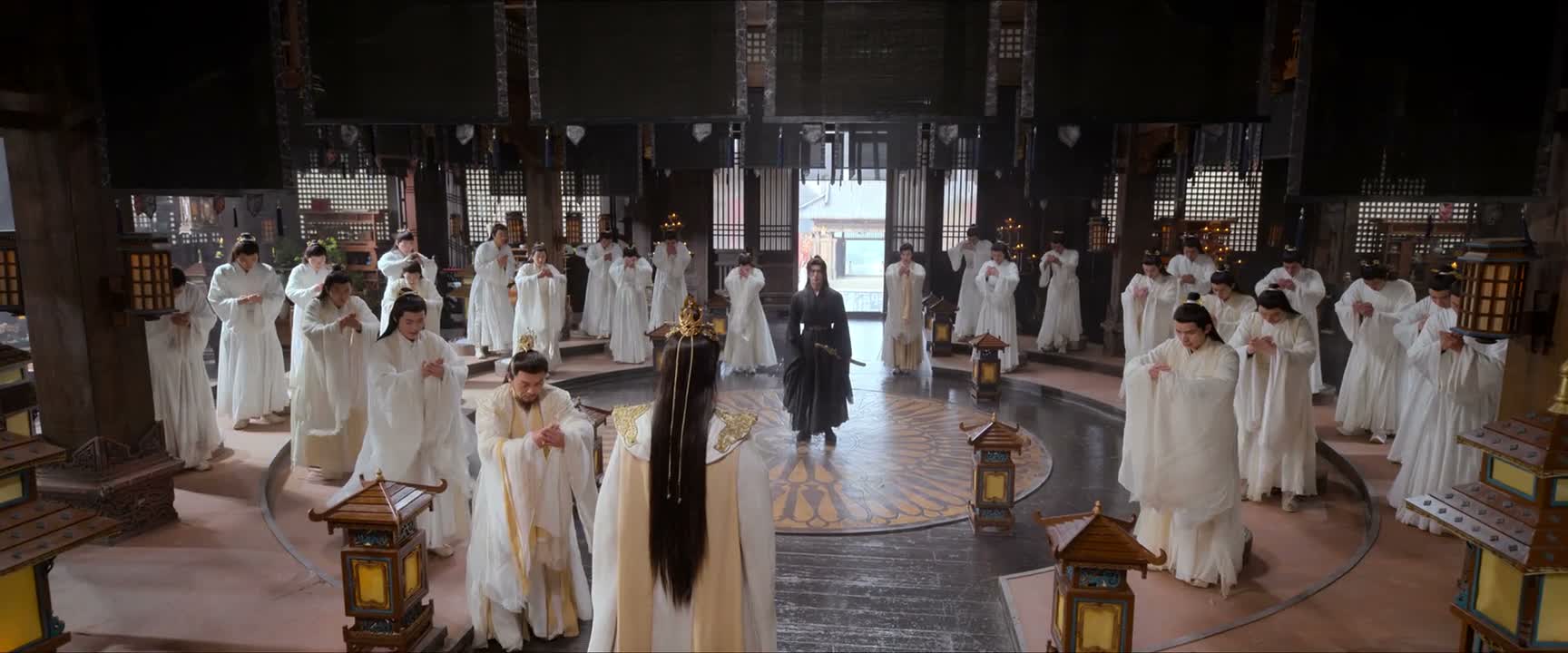
不敢违抗圣旨
“dare not defy an imperial decree”
THE DIALOGUE REEL
我韩绩
“I, Han Ji,”
不敢违抗圣旨
“dare not defy an imperial decree”
“My hands are tied; I had no choice but to obey the throne.”
In imperial China, disobeying a decree from the sovereign meant death for the official and potentially their whole family; invoking the decree serves as an unchallengeable defense.
LEARNING CHUNKS & PARTICLES
disobey the imperial edict
A historical idiom referring to defying an imperial decree, historically considered high treason.
dare not; would not presume to
Used in formal or hierarchical contexts to express humility, deference, or reluctance to overstep boundaries.
VOCABULARY & EXPRESSIONS
Parallel Spoken Cinema Scenes (语义近邻切片)

“will disobey His Majesty.”

“but His Majesty refuses to write the edict.”

“but he refused to produce the edict.”

“and listen to Gao Qiqiang.”
“Yes, Grandmaster.”