是我自己没保护好自己
“I failed to protect myself.”
THE DIALOGUE REEL
都怪我
“It is all my fault.”
是我自己没保护好自己
“I failed to protect myself.”
韩长史他
“Chief Clerk Han, he…”
“Please don't blame yourself; you didn't do this to me.”
In close Chinese relationships, taking blame upon oneself is often a deliberate act of empathy meant to alleviate the other party's remorse.
LEARNING CHUNKS & PARTICLES
it is my own (fault)
Used to assume responsibility and relieve others of emotional guilt.
failed to protect oneself properly
A common spoken structure using negative potential result complement '没...好'.
VOCABULARY & EXPRESSIONS
Parallel Spoken Cinema Scenes (语义近邻切片)

“You must protect yourself now.”

“how to protect yourself at this age?”
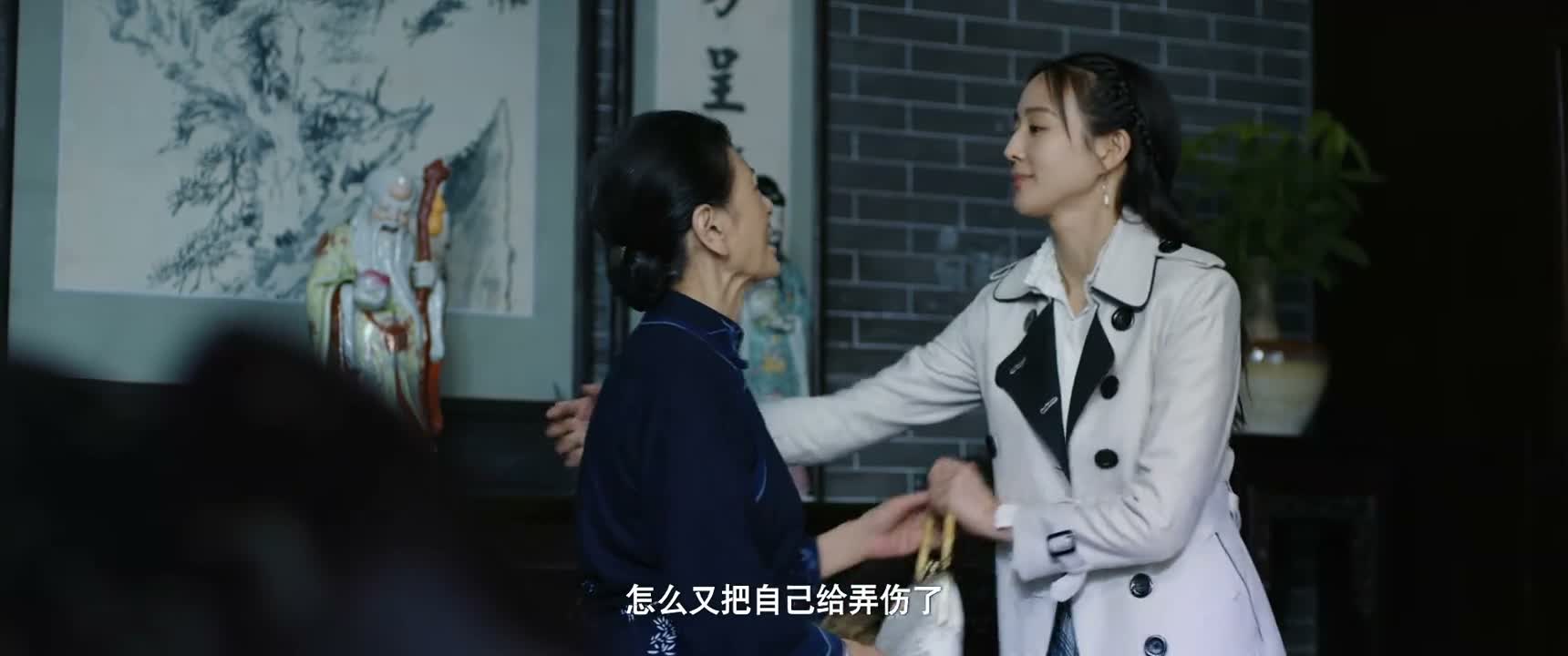
“How did he hurt himself again?”

“I hurt myself.”
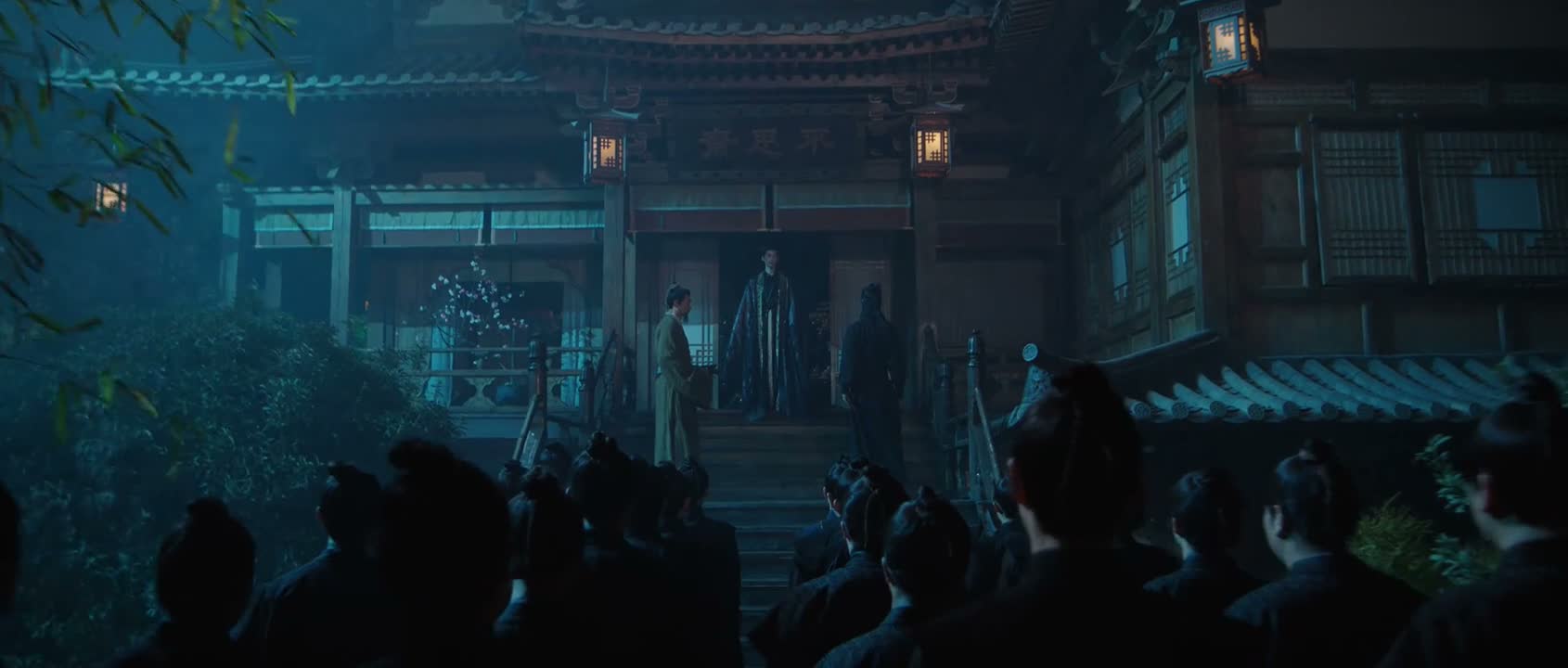
“because I could barely protect myself”
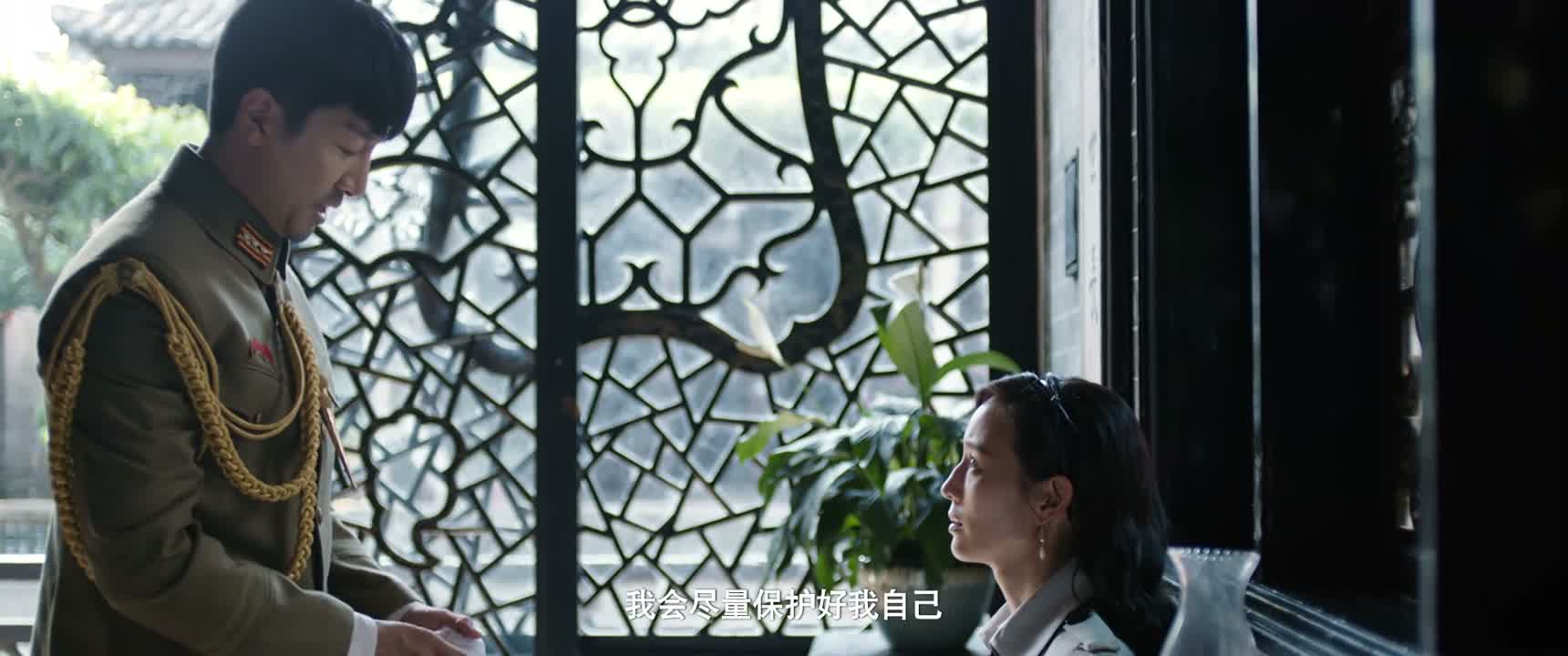
“I'll do my best to protect myself,”