怎么又把自己给弄伤了
“How did he hurt himself again?”
THE DIALOGUE REEL
整天磕磕绊绊的
“He's always bumping into things.”
怎么又把自己给弄伤了
“How did he hurt himself again?”
好好好
“Alright, alright.”
“I'm worried sick about you; can you please be more careful for once?”
In Chinese domestic culture, affection is rarely stated directly; family members commonly convey deep love through nagging, fault-finding, and pseudo-scolding.
LEARNING CHUNKS & PARTICLES
to end up hurting oneself
Disposal structure with '给' used informally to emphasize an unfortunate self-inflicted mishap.
bumping and stumbling; constantly having little accidents
Reduplicated idiom used figuratively or literally to describe clumsy, mishap-prone behavior or a rough journey.
Marks the change of state indicating an injury has already occurred.
VOCABULARY & EXPRESSIONS
Parallel Spoken Cinema Scenes (语义近邻切片)

“I hurt myself.”
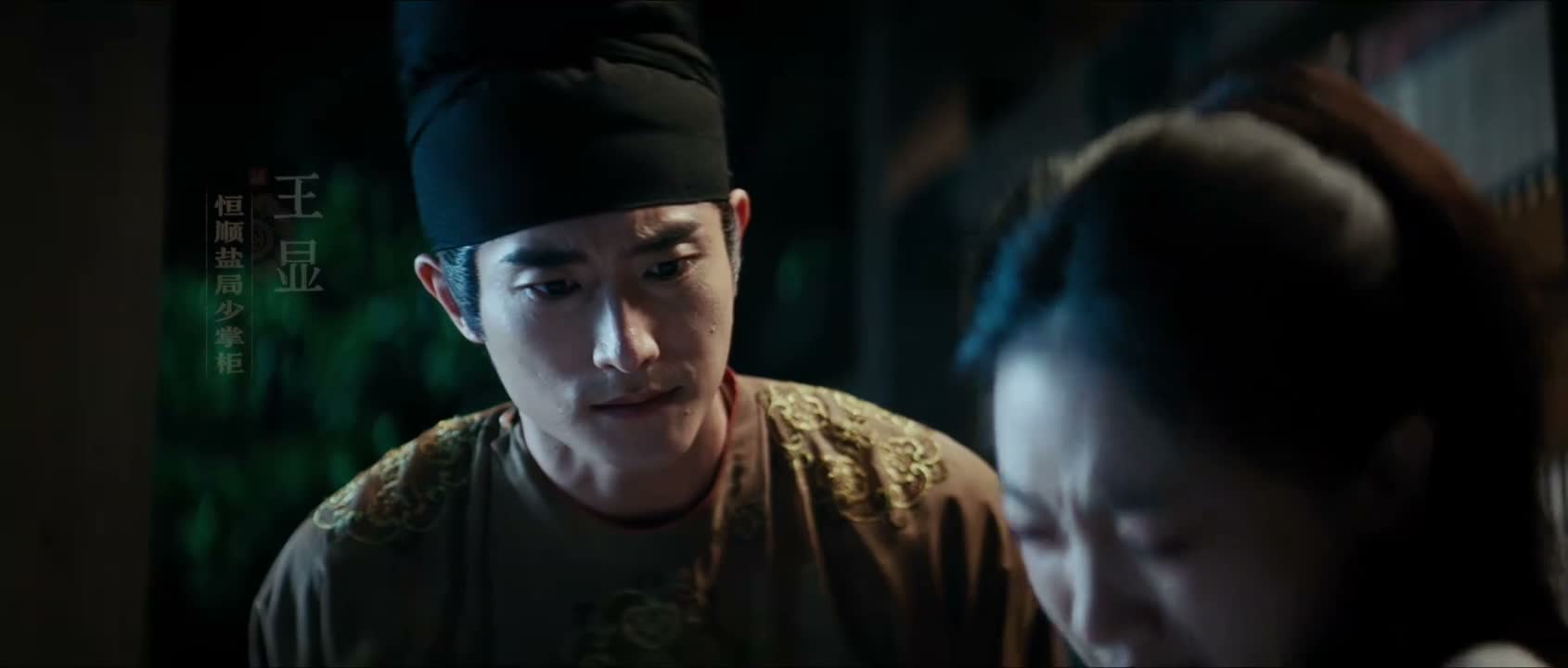
“(Wang Xian, Young Master of Hengshun Salt Bureau) You're going to hurt yourself. Ruo.”

“How did you get that injury on your hand?”

“I failed to protect myself.”

“How did he get so severely injured?”

“possibly harm you?”