报社还有事情呢 我先走了
“I have things to do at the newspaper office. I'm leaving now.”
THE DIALOGUE REEL
“Don't go yet. Wait a moment. The coffee will be ready soon.”
报社 还有事 情 呢 我先走了
“I have things to do at the newspaper office. I'm leaving now.”
这两天
“These two days,”
“I appreciate the offer, but I really have to get going and cannot stay.”
In Chinese social interaction, citing urgent work or external obligations allows one to leave gracefully without hurting the host's hospitality.
LEARNING CHUNKS & PARTICLES
still have things/business to take care of
A very common and polite way to excuse oneself from a social engagement.
I will take my leave now / I am leaving first
A standard, polite departure formula used when leaving before others.
Softens the refusal by highlighting the ongoing situation or obligation, making the departure sound less abrupt.
VOCABULARY & EXPRESSIONS
Parallel Spoken Cinema Scenes (语义近邻切片)

“how will the newspaper office deal with me this time?”

“You actually left the newspaper.”
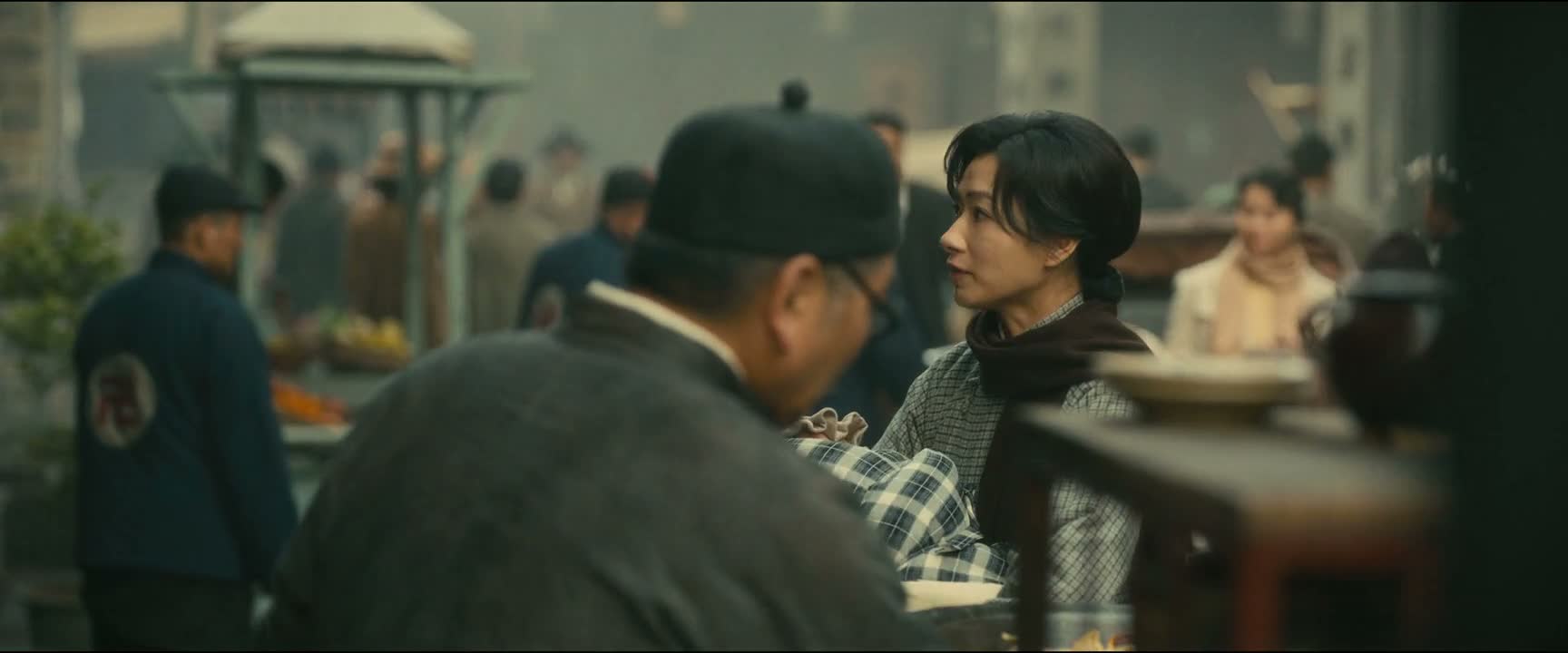
“Could I ask, why is the newspaper office closed?”

“you'll become permanent immediately.”

“We should even invite comrades from Jiangcheng Daily.”
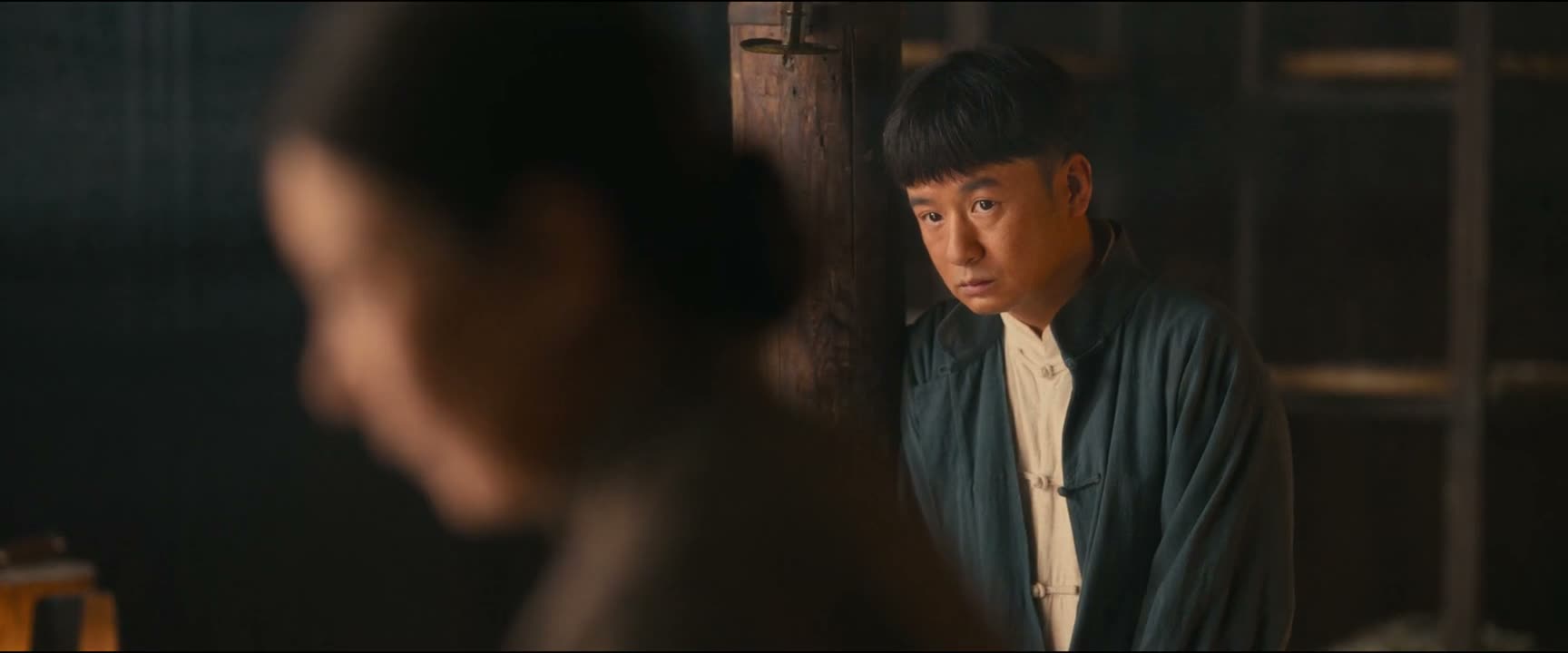
“but I went out looking for newspapers today.”