我又何必 一路追随他到今日呢
“why would I have followed him until today?”
THE DIALOGUE REEL
“If I had known about his crimes,”
我 又何必 一路追随 他到今日呢
“why would I have followed him until today?”
所以你现在后悔了
“So you regret it now?”
“I obviously did not know he was corrupt, otherwise I wouldn't have staked my career on him.”
In historical Chinese governance, following the wrong master could lead to shared culpability, prompting desperate pleas of having been deceived.
LEARNING CHUNKS & PARTICLES
why bother; there was no need to
A classic rhetorical pattern used to demonstrate the absurdity of an opposing assumption.
to follow; to pledge allegiance to
Formal verb denoting sustained personal or political loyalty to a mentor or faction leader.
Softens the rhetorical question while inviting the listener to consider the self-evident absurdity of the premise.
VOCABULARY & EXPRESSIONS
Parallel Spoken Cinema Scenes (语义近邻切片)

“so why take the detour? But I'm different from you.”

“You don't need to get to the bottom of it.”
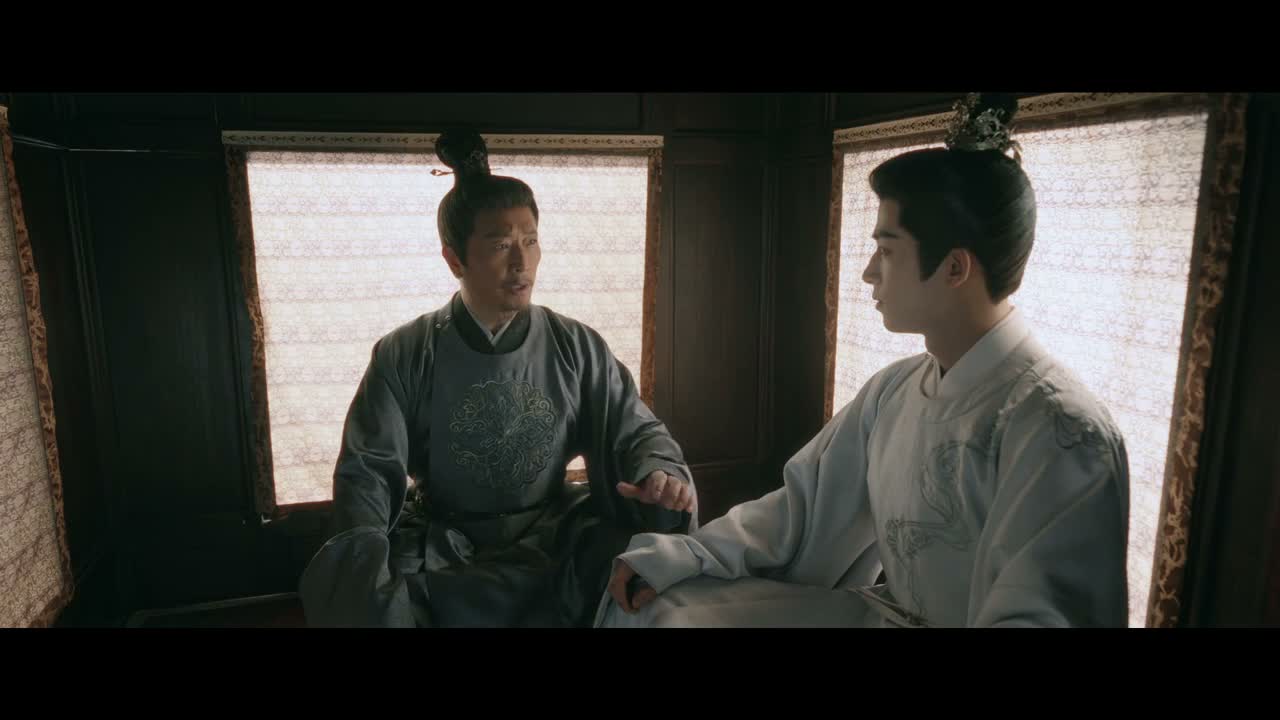
“why cling to it?”

“♪ To hold onto the broken dreams ♪ That's why.”

“There would be no need to make such a commotion. With traitors and rebels in power,”
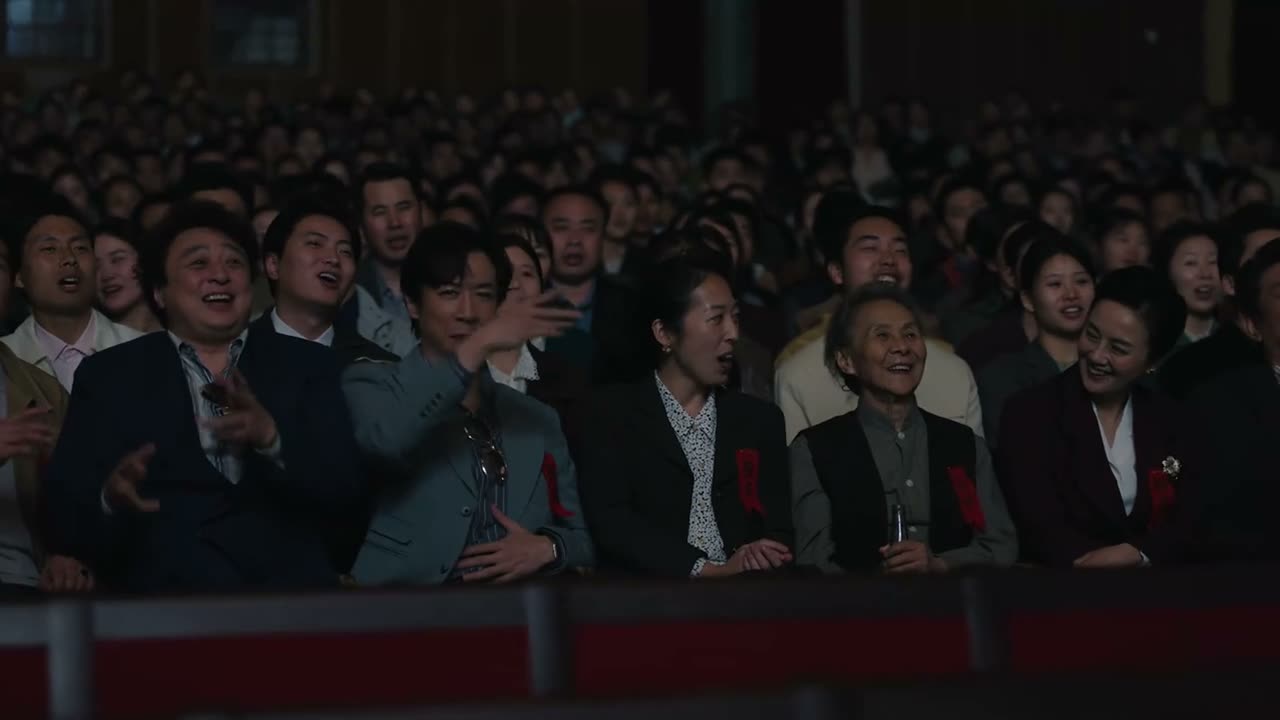
“So why hold a grudge?”