MC
MandarinClips Cinema Corpus
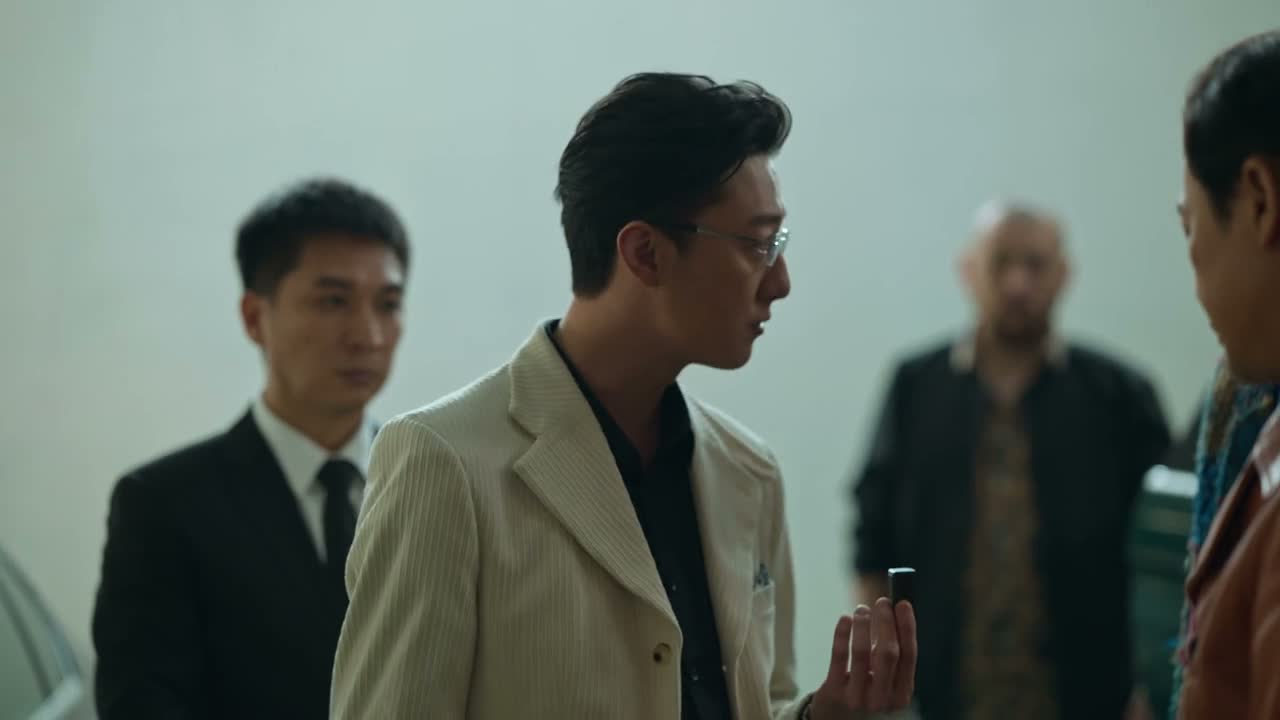
《No Pain No Gain》 S1·E25 (37:56) HSK 3
bú shì ba yòu méi diàn le

不是吧 又没电了

“Seriously? Dead again?”

《No Pain No Gain》 S1·E25
TIMECODE: 37:56 · 1080P MASTER AUDIO

THE DIALOGUE REEL

1+1+1 SPOKEN CONTINUITY
[-1] PREVIOUS TURN shì ma nà gōng xǐ nǐ a wǒ yǐ jīng bù wán yóu xì le

是吗 那恭喜你啊 我已经不玩游戏了

“Really? Congratulations. I do not play games anymore.”

bú shì ba yòu méi diàn le CURRENT FOCUS

不是吧 又 没电了

“Seriously? Dead again?”

[+1] FOLLOW-UP TURN lín wǎn nǐ děng děng wǒ

林晚 你等等我

“Lin Wan, wait for me.”

Subtitles synced to millisecond timecode Browse Show Clips →
Scene: Daily Life
Function: COMPLAINING
Tone: IMPATIENT
Emotion: FRUSTRATION
WHAT THEY REALLY MEAN (PRAGMATIC SUBTEXT)

Direct spoken expression in this communicative setting.

💡 Cultural Insight: Modern Battery Anxiety

In contemporary China's cash-free and mobile-centric society, running out of battery ('没电') causes acute situational paralysis, leading to frequent exasperated reactions like '不是吧'.

INTENT TAGS: #exasperation #disbelief #complaint #helplessness
🧩

LEARNING CHUNKS & PARTICLES

2 CHUNKS · 2 PARTICLES
不是吧 SPOKEN CHUNK

no way; you have got to be kidding me

An extremely common colloquial reaction expressing disbelief or dismay at an unwelcome turn of events.

没电了 SPOKEN CHUNK

out of battery; ran out of charge

Everyday spoken phrase used whenever a smartphone, laptop, or other gadget dies.

Modal Particle「吧」 (ba) CHANGE OF STATE

Softens the rhetorical disbelief into a reluctant lament of bad luck.

Modal Particle「了」 (le) CHANGE OF STATE

Marks the newly emerged state of having completely lost electrical charge.

🏮

VOCABULARY & EXPRESSIONS

2 EXPR · 2 GRAMMAR
CROSS-CINEMA CORPUS BOARD · PARALLEL SCENES

Parallel Spoken Cinema Scenes (语义近邻切片)

EXPLORE BY SEMANTIC SIMILARITY
《No Pain No Gain》 S1·E25 (37:56) · Authentic Cinema Dialogue Corpus