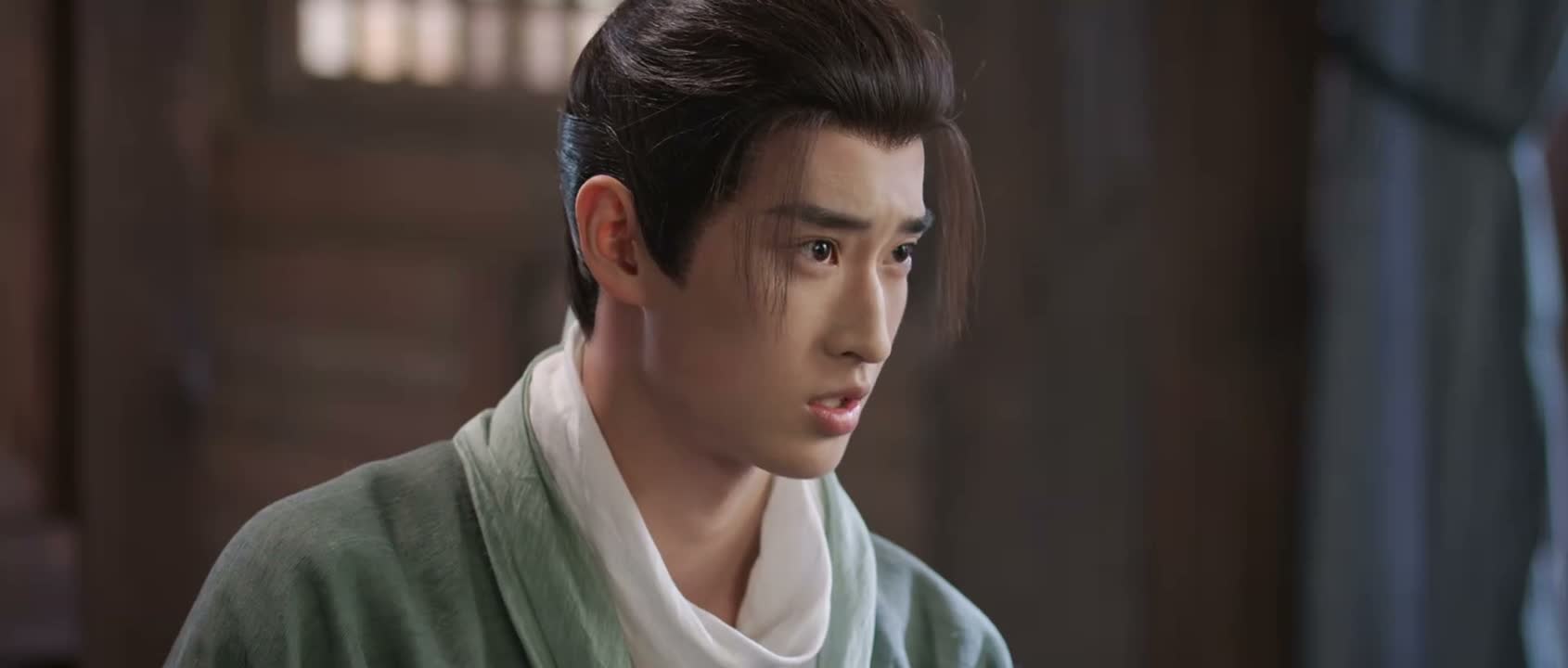
《The Imperial Coroner》 S2·E8 (37:25)
HSK 3
wǒ bù yīng gāi zì zuò zhǔ zhāng
我不应该自作主张
“I should not have decided on my own”
《The Imperial Coroner》
S2·E8
TIMECODE: 37:25
·
1080P MASTER AUDIO
THE DIALOGUE REEL
[-1] PREVIOUS TURN
wǒ
我
“I...”
wǒ bù yīng gāi zì zuò zhǔ zhāng
CURRENT FOCUS
我 不应该 自作主张
“I should not have decided on my own”
[+1] FOLLOW-UP TURN
ràng nǐ huí bì cǐ àn
让你回避此案
“to keep you away from this case.”
Subtitles synced to millisecond timecode
Browse Show Clips →
Scene:
Legal & Police
Function:
APOLOGIZING AND ADMITTING FAULT
Tone:
APOLOGETIC AND EARNEST
Emotion:
GUILT
WHAT THEY REALLY MEAN (PRAGMATIC SUBTEXT)
Direct spoken expression in this communicative setting.
💡 Cultural Insight: Self-Criticism and Protocol (检讨与越权)
In Chinese teamwork and institutional hierarchies, acting without consulting others ('自作主张') is a serious breach of protocol that requires prompt acknowledgment.
INTENT TAGS:
#apology
#admitting_fault
#self_criticism
#regret
🧩
1 CHUNKS · 0 PARTICLES
LEARNING CHUNKS & PARTICLES
自作主张
SPOKEN CHUNK
to act on one's own authority; to take decisions unilaterally without consultation
Commonly used in formal self-criticism or apologies when one bypasses superiors or partners.
🏮
2 EXPR · 6 GRAMMAR
VOCABULARY & EXPRESSIONS
COLLOQUIAL EXPRESSIONS:
CROSS-CINEMA CORPUS BOARD · PARALLEL SCENES
EXPLORE BY SEMANTIC SIMILARITY
Parallel Spoken Cinema Scenes (语义近邻切片)
《The Imperial Coroner》 S2·E8 (37:25) · Authentic Cinema Dialogue Corpus