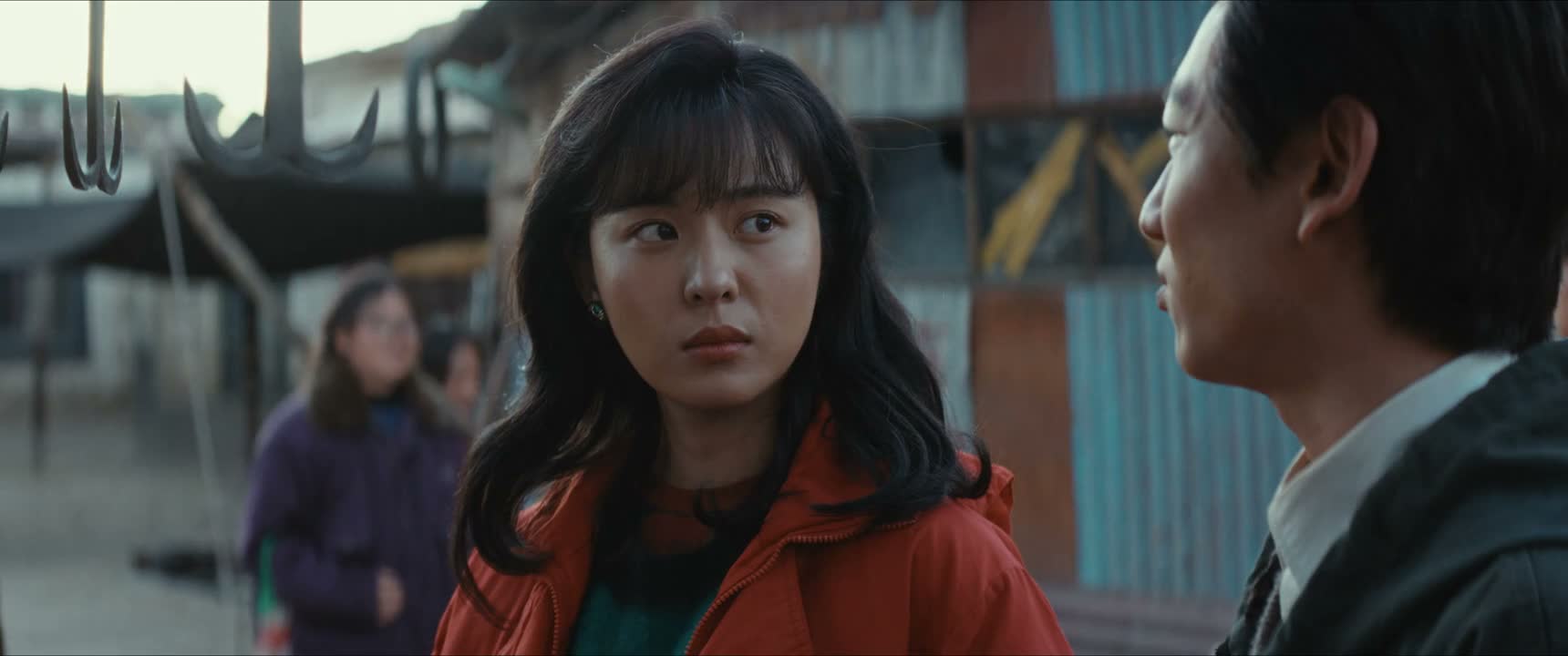
不是你让我 多和朋友聚一聚吗
“You asked me to hang out with my friends, didn't you?”
THE DIALOGUE REEL
是跟朋友告别
“So you were saying goodbye?”
不是你让我 多和 朋友 聚一聚 吗
“You asked me to hang out with my friends, didn't you?”
逛逛街 喝喝咖啡 晒晒太阳 这都是你说的呀
“You told me to go shopping, have some coffee and go out in the sun.”
“You are the one who told me to do this, so stop criticizing me for doing what you suggested.”
Citing an interlocutor's previous statements ('This is what you said') is a widespread argumentative tactic in domestic Chinese disputes to expose inconsistent standards.
LEARNING CHUNKS & PARTICLES
wasn't it you who told/asked me to...
A defensive rhetorical pattern used to redirect accountability back onto the person who gave the original advice or order.
get together / hang out
A common reduplicated verb phrase describing casual socializing among friends or relatives.
Forms a rhetorical question that functions as a rebuttal rather than a genuine inquiry.
VOCABULARY & EXPRESSIONS
Parallel Spoken Cinema Scenes (语义近邻切片)

“you told me to look out for Wang Lili”

“Didn't you ask me to come back?”

“to their house warming party? How unlikable you are!”

“not that you don't want me. Understand?”
“didn't force me, I wouldn't go.”

“Don't you dislike me? Go as I tell you.”