怕仪容不整失了礼数
“He feared his appearance might be improper and offend protocol,”
THE DIALOGUE REEL
正使身体不适
“and the Chief Envoy is unwell.”
怕 仪容 不 整 失了礼数
“He feared his appearance might be improper and offend protocol,”
这才遣我转交
“so he asked me to speak on his behalf.”
“He cannot face you right now, so do not take his absence as an insult.”
In imperial China, appearing before dignitaries with poor grooming was considered a grave breach of etiquette, making 'avoiding improper etiquette' an unchallengeable excuse for absence.
LEARNING CHUNKS & PARTICLES
disheveled in appearance; improper attire
Formal idiom describing improper personal grooming or presentation unsuitable for formal settings.
to breach etiquette; to fail in manners
Commonly used in formal or classical contexts to apologize for perceived lapses in courtesy.
VOCABULARY & EXPRESSIONS
Parallel Spoken Cinema Scenes (语义近邻切片)
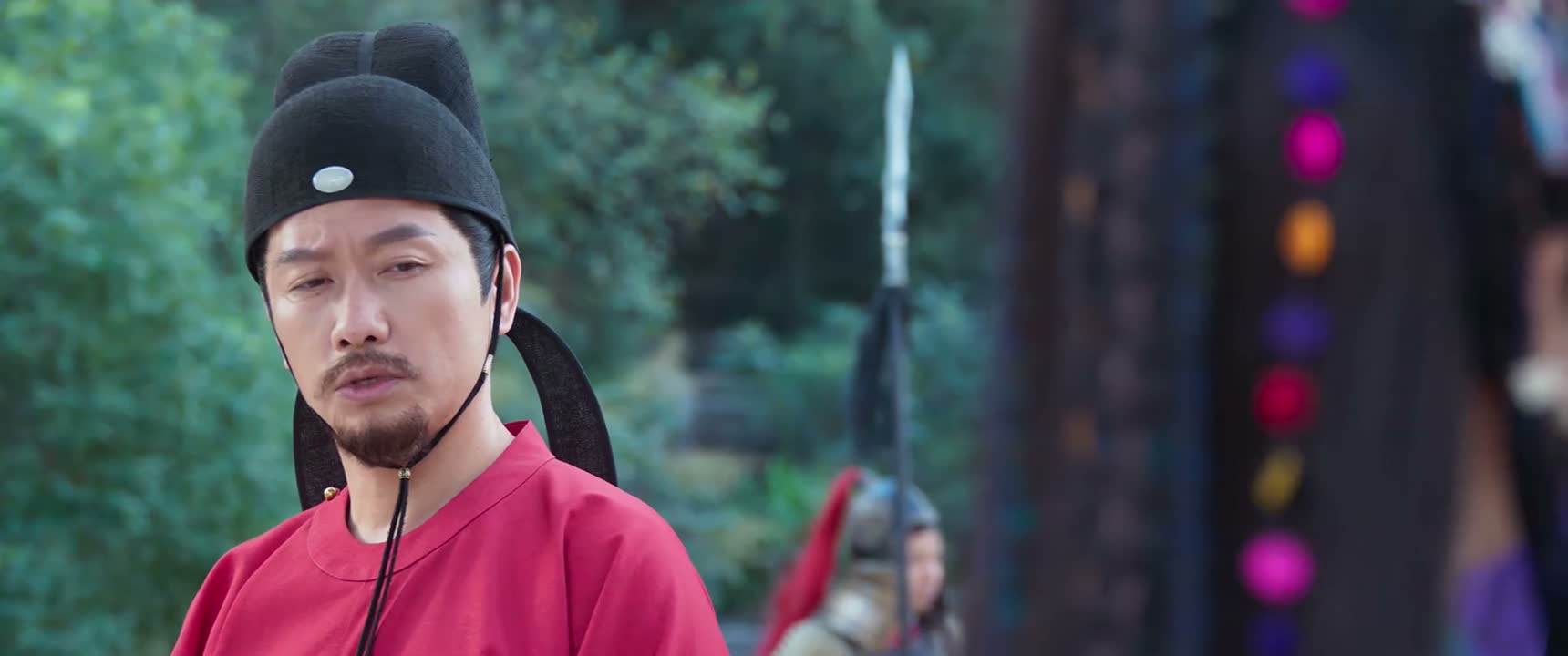
“surely it cannot be ignorant of such basic protocol.”
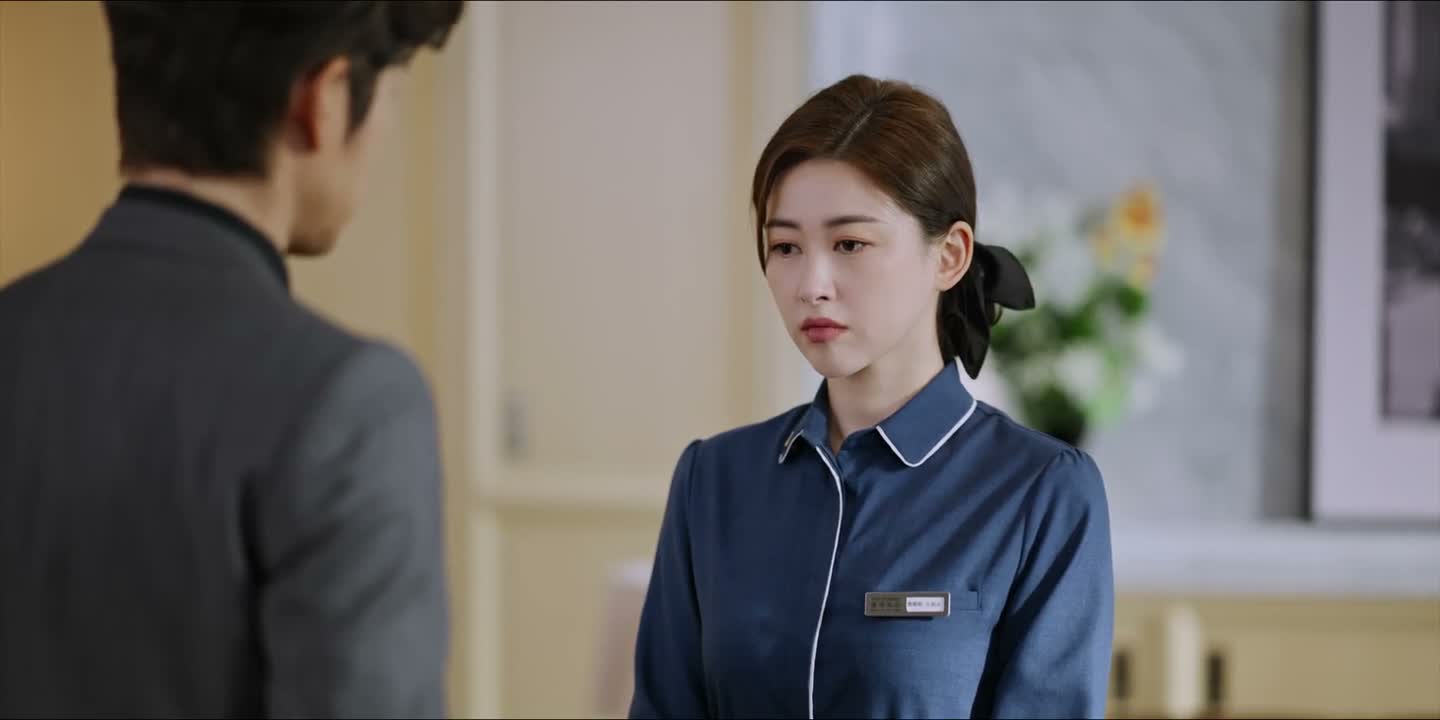
“isn't just acting polite.”

“for you to barge into the Xie's mausoleum.”
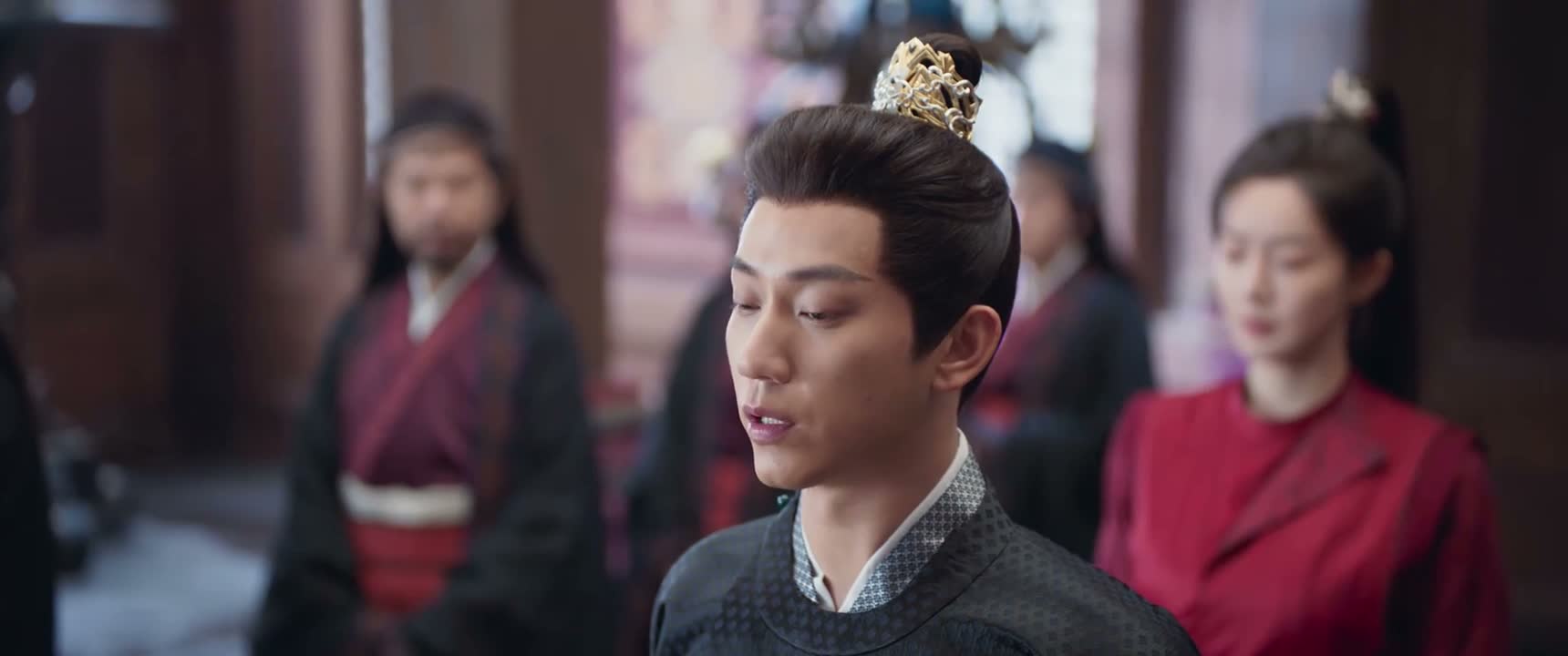
“Otherwise, it would be discourteous.”

“But we shouldn't lose our manners.”