那人家说得没错 我们为什么要反对呢
“Since she's right, why should we oppose it?”
THE DIALOGUE REEL
人说得没错啊
“She is right.”
那 人家 说得没错 我们 为什么要反对 呢
“Since she's right, why should we oppose it?”
我 我没反对啊 可是您这一走 那不就是
“I-I'm not opposing it. But your leaving looks like a silent protest.”
“They are right, so stop making an unnecessary fuss and fighting it.”
In workplace debates, pointing out that an outsider or third party 'is not wrong' (说得没错) helps depersonalize conflict by appealing to objective reason rather than personal bias.
LEARNING CHUNKS & PARTICLES
what is said is correct / that's completely true
A very common conversational way to express strong agreement with someone's assessment or statement.
why should we oppose it?
A rhetorical phrase used to question why someone is disagreeing when there is no good reason to.
Softens the rhetorical question while marking mild puzzlement or challenging the listener to justify their stance.
VOCABULARY & EXPRESSIONS
Parallel Spoken Cinema Scenes (语义近邻切片)

“and I have my objections.”

“That's not something we should discuss. Right, right.”

“Then why did you send us all away?”

“We don't agree with you either.”
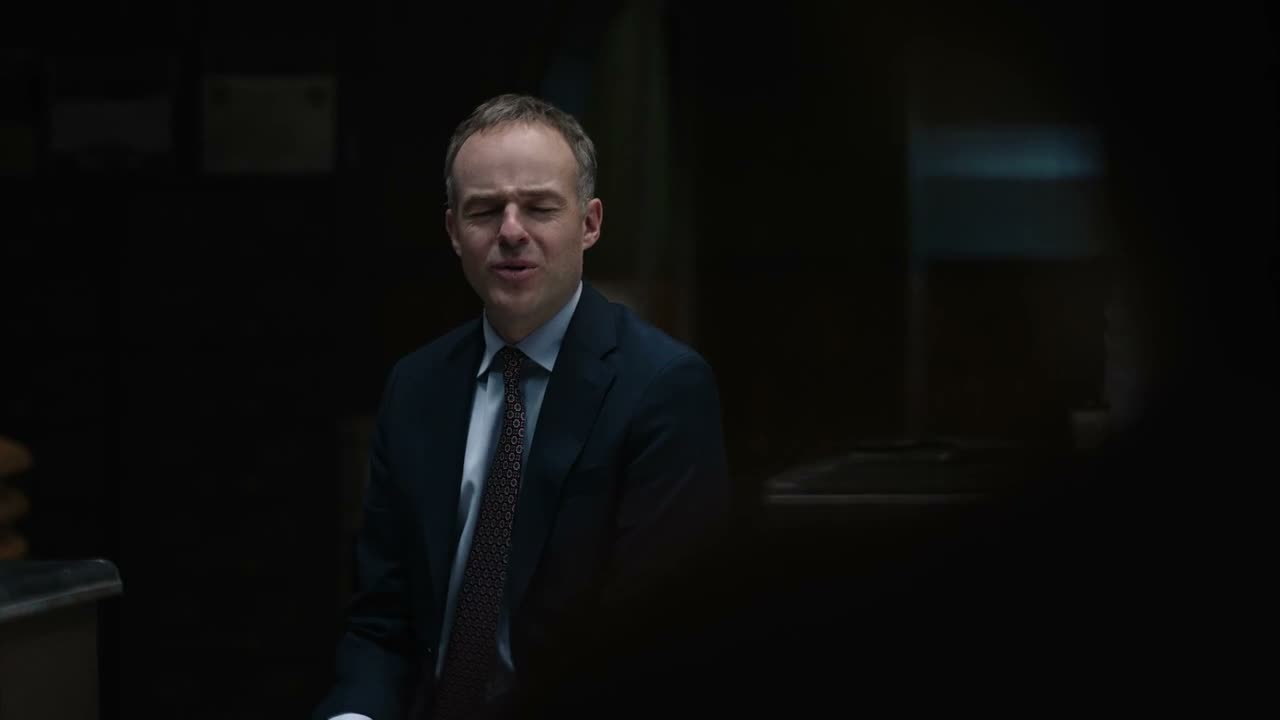
“- Why would I do that? - To give them an advantage.”
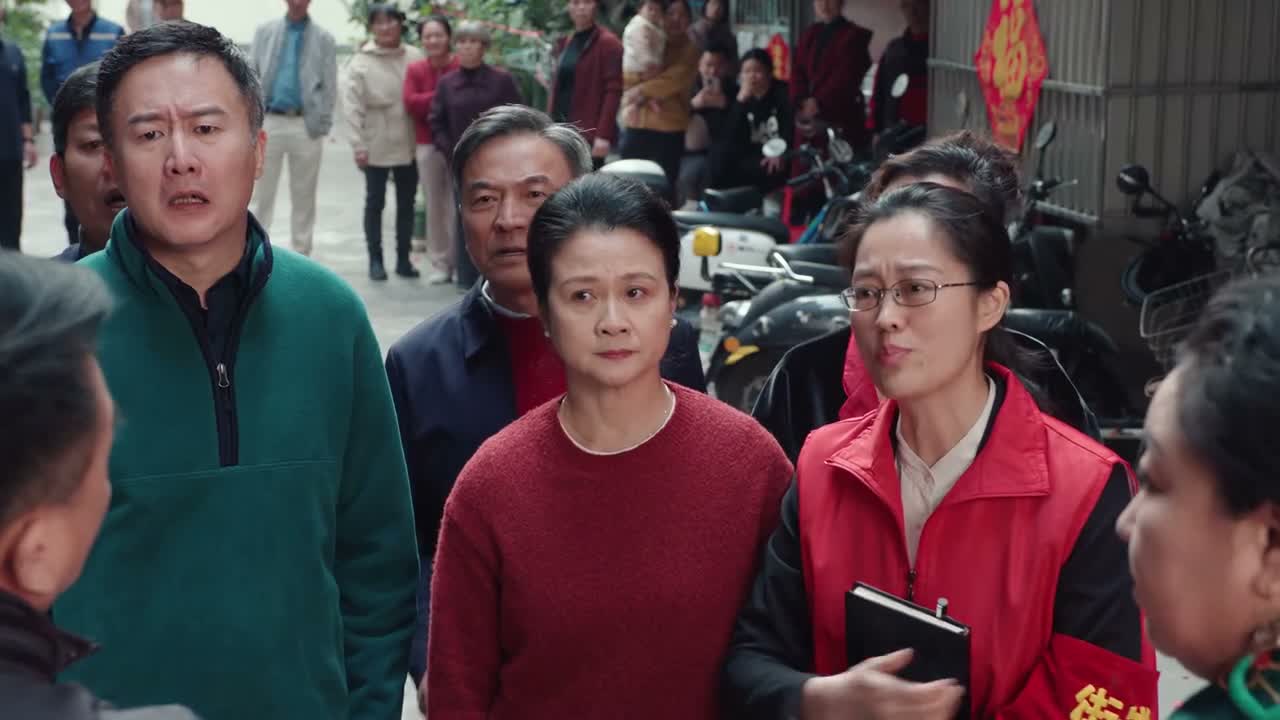
“So why are you refusing now? Last year was last year.”