我方才为何要拼死护你呢
“why did I risk my life to protect you?”
THE DIALOGUE REEL
如果我想害你
“Zhao, if I wanted to harm you,”
我方 才 为何要 拼死护你 呢
“why did I risk my life to protect you?”
就是因为你这一挡
“That was the reason”
“If I wanted you dead, I would not have risked my own life to save yours!”
In Chinese argumentation, posing an obvious rhetorical question about one's sacrificial deeds is a standard tactic to evoke shame and dismantle distrust.
LEARNING CHUNKS & PARTICLES
to risk one's life; with all one's might
Used before a verb to emphasize desperate, extreme effort involving life-or-death stakes.
just now; a moment ago
A slightly formal or period-drama equivalent of the modern colloquial '刚才'.
Adds a rhetorical, pressing edge to the question, demanding that the listener confront the speaker's logic.
VOCABULARY & EXPRESSIONS
Parallel Spoken Cinema Scenes (语义近邻切片)

“I'll fight to protect you until the very end.”

“Now, to keep me safe,”

“It's the wonderful world you died to protect.”
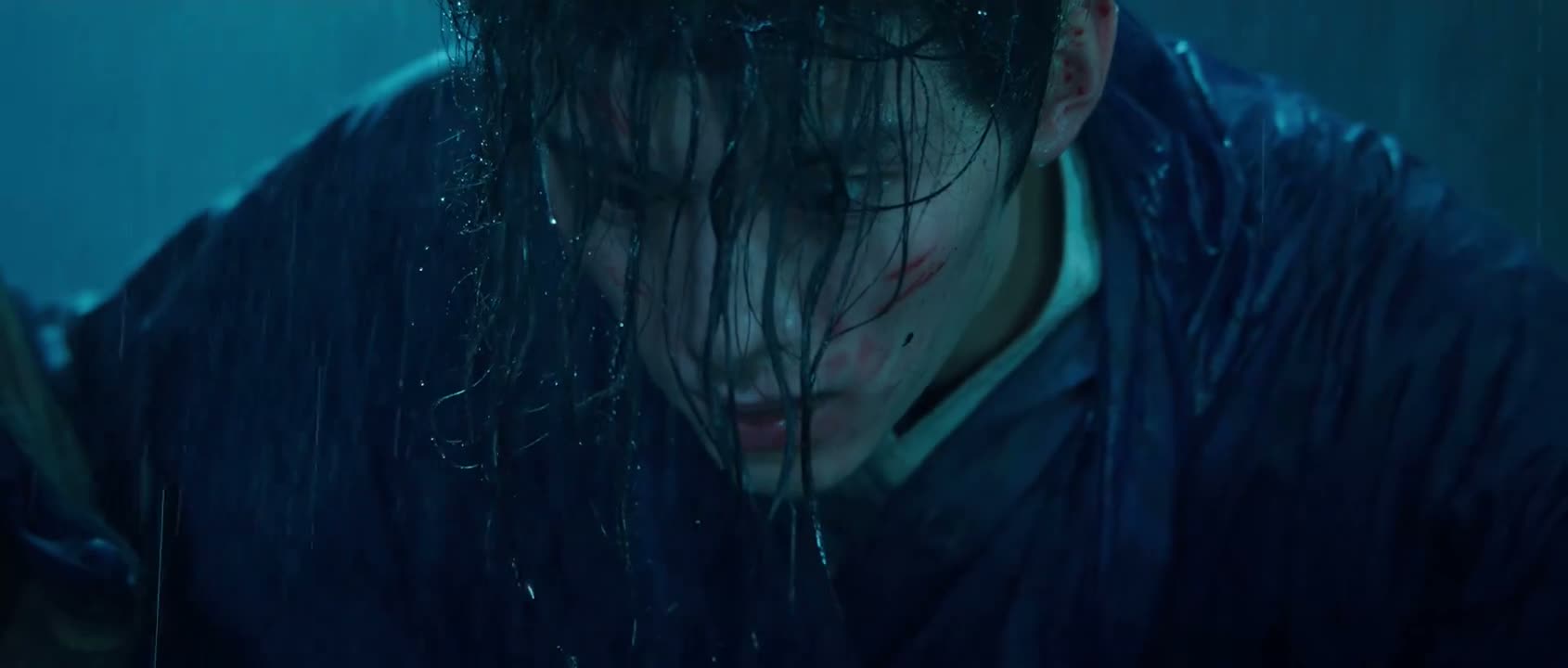
“I can no longer protect you.”

“you were already protecting me with your life.”
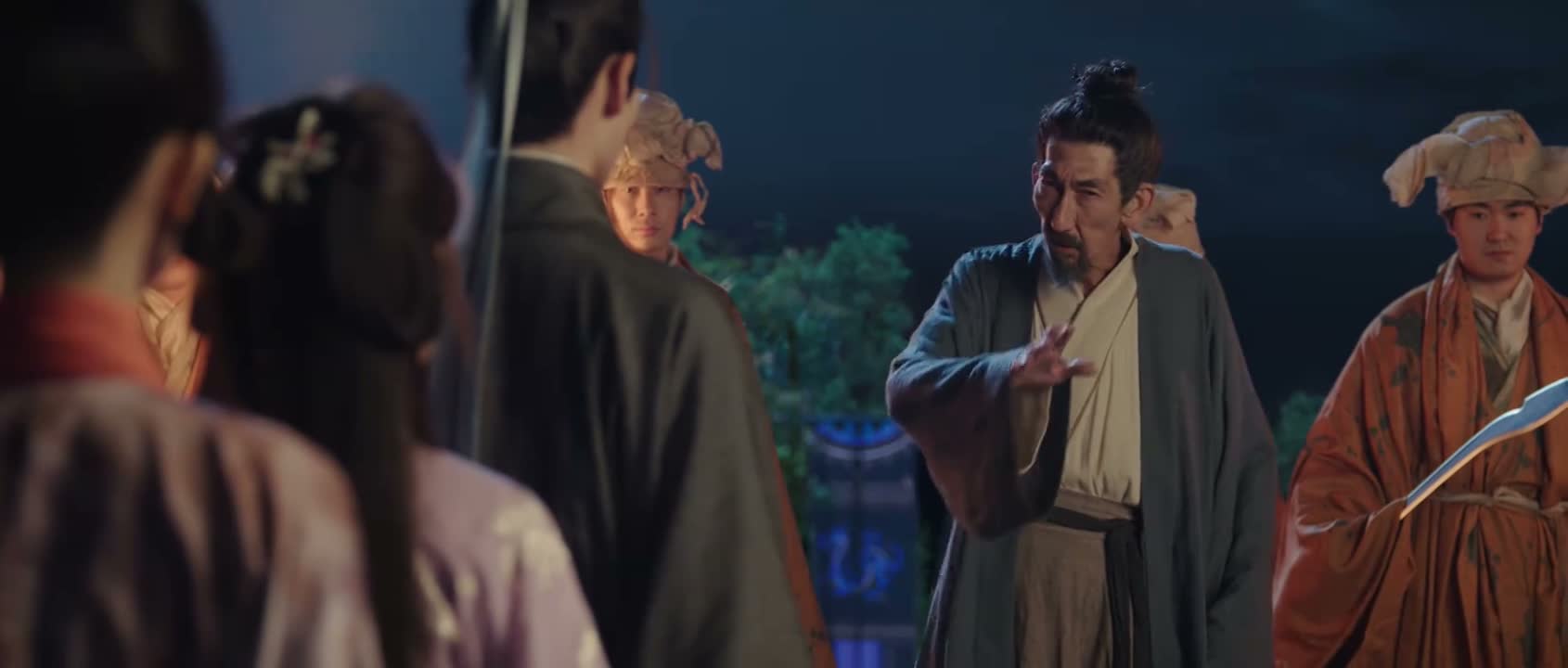
“I never would've saved you.”