她还能高高兴兴地去跳广场舞吗
“Could she go square dancing anymore?”
THE DIALOGUE REEL
“How could she face her colleagues?”
她 还能 高高兴兴 地去 跳广场舞 吗
“Could she go square dancing anymore?”
你别说了
“Stop it.”
“Your shameless actions will ruin your mother's dignity so completely that she won't even dare to enjoy her life outside.”
In Chinese culture, an individual's moral misconduct directly stains their parents' social standing and public dignity within their local community.
LEARNING CHUNKS & PARTICLES
happily; cheerfully
A reduplicated adverbial form used to describe performing an action in a joyful, carefree manner.
do square dancing
A quintessential daily recreational activity for middle-aged and retired Chinese people in public squares.
Marks a rhetorical question that functions as a strong negative assertion.
VOCABULARY & EXPRESSIONS
Parallel Spoken Cinema Scenes (语义近邻切片)
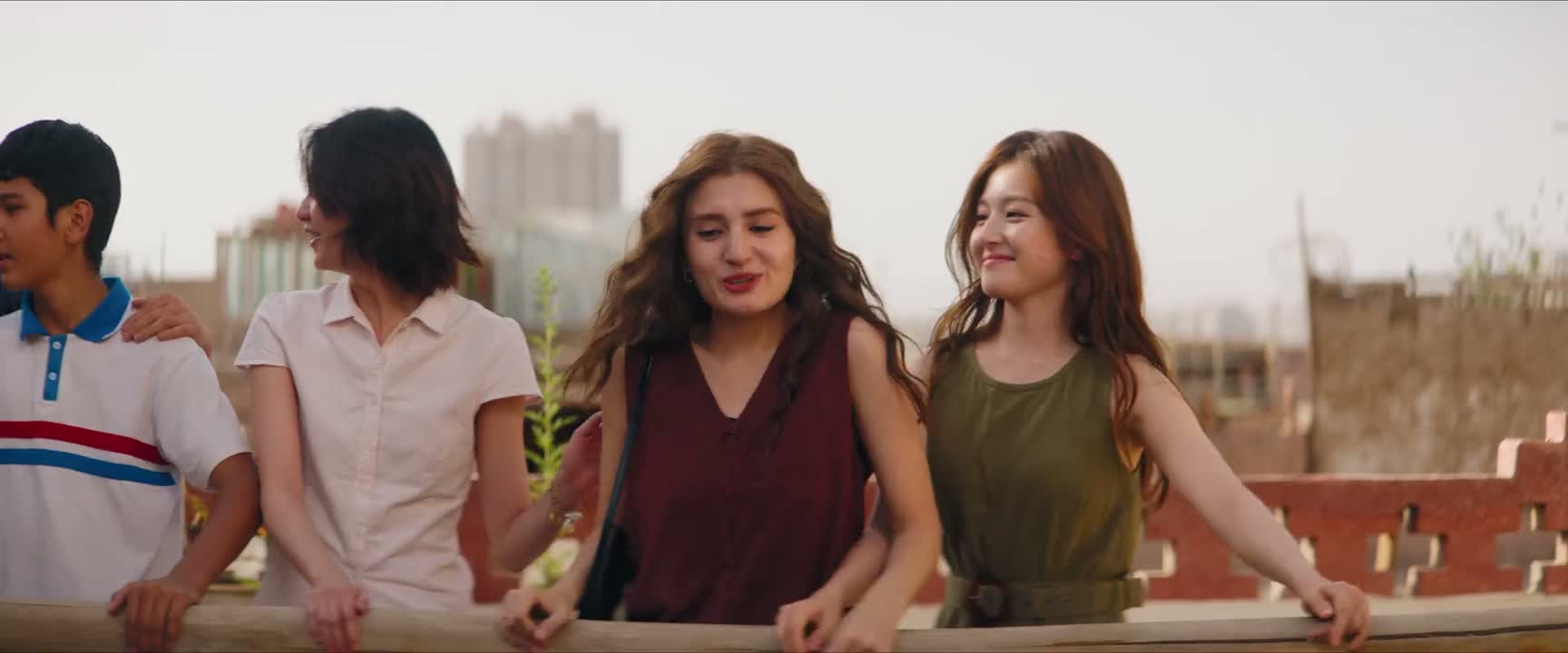
“I don't really know how to dance anymore.”
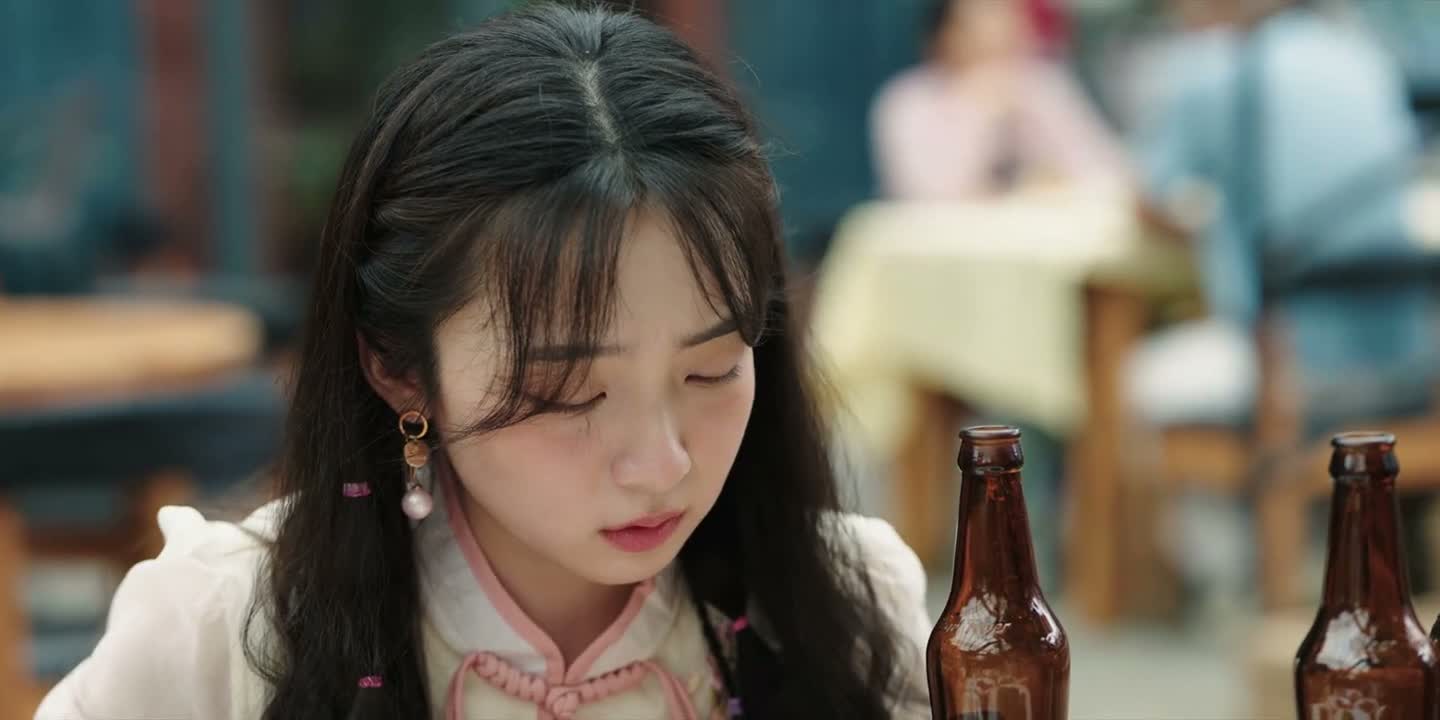
“Even if I dared to jump now, it's too late.”
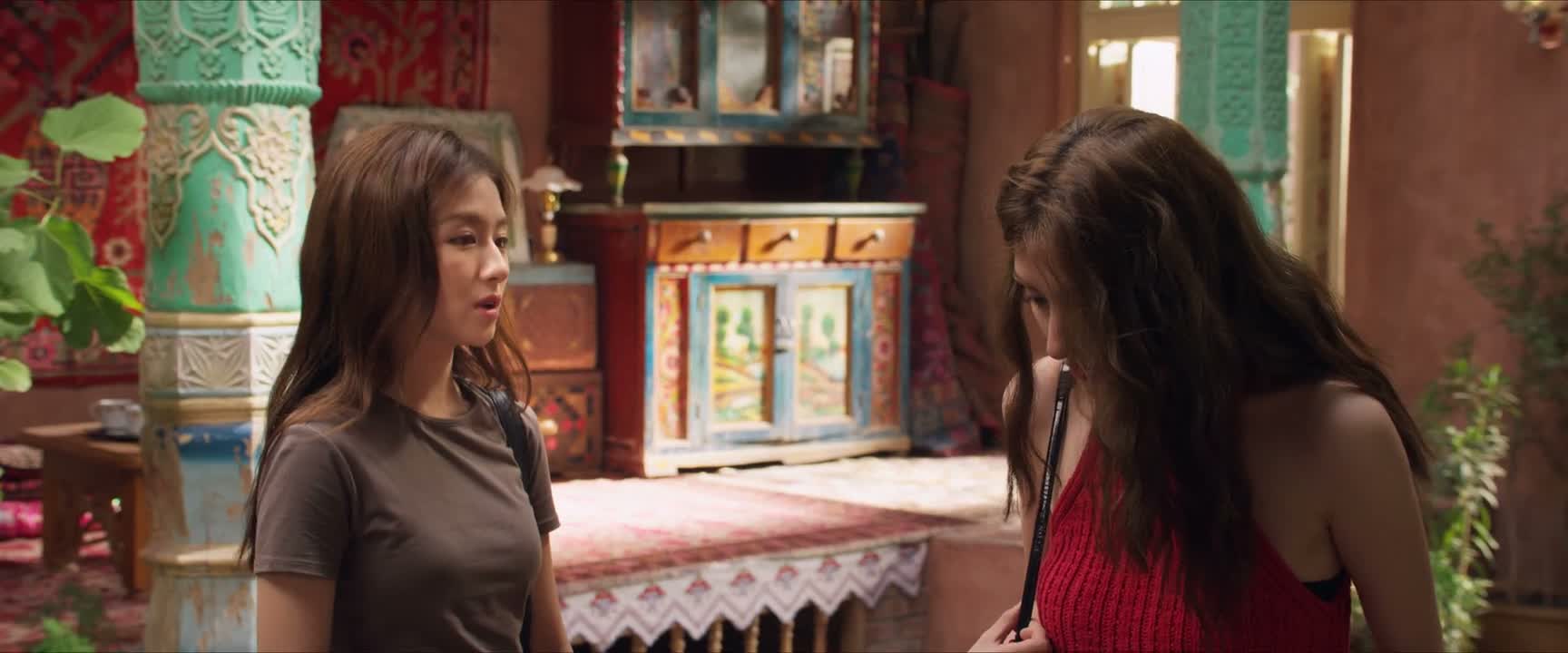
“but you still have to dance in high heels.”
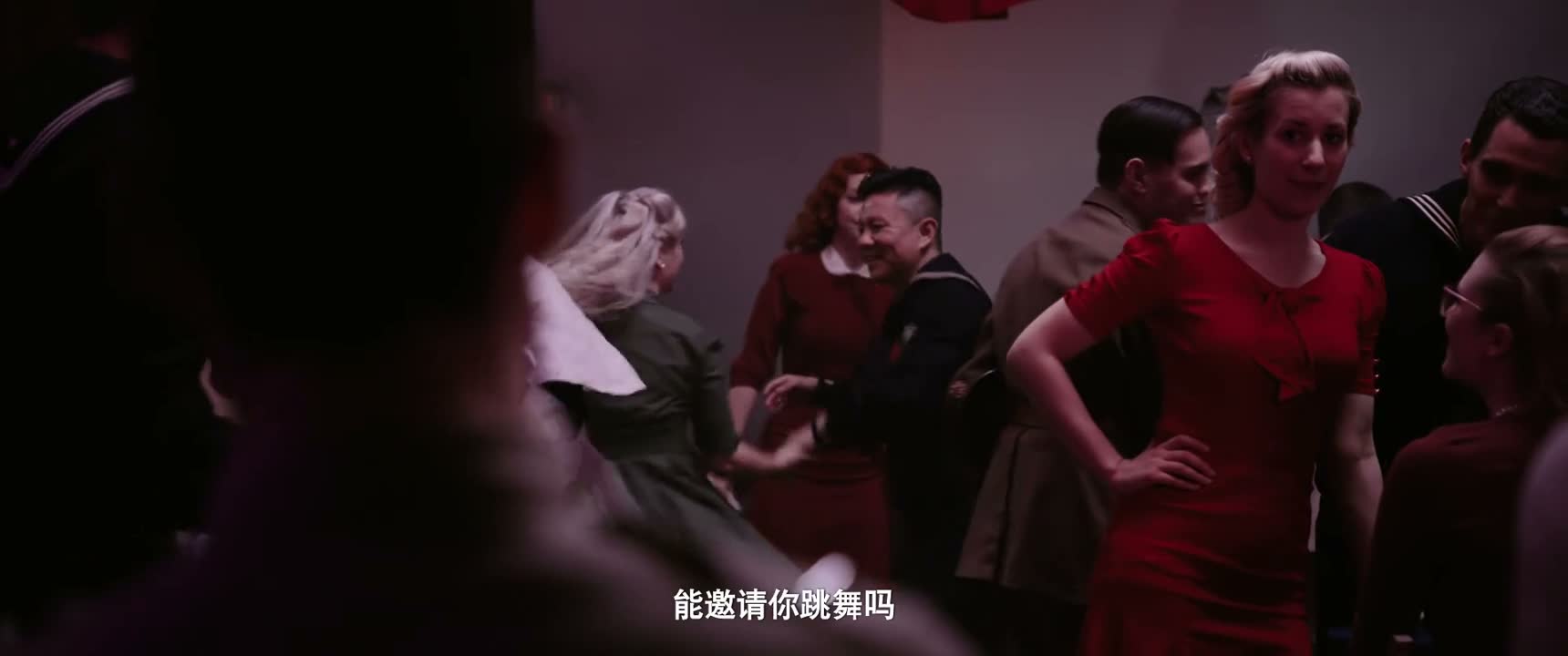
“May I have this dance?”
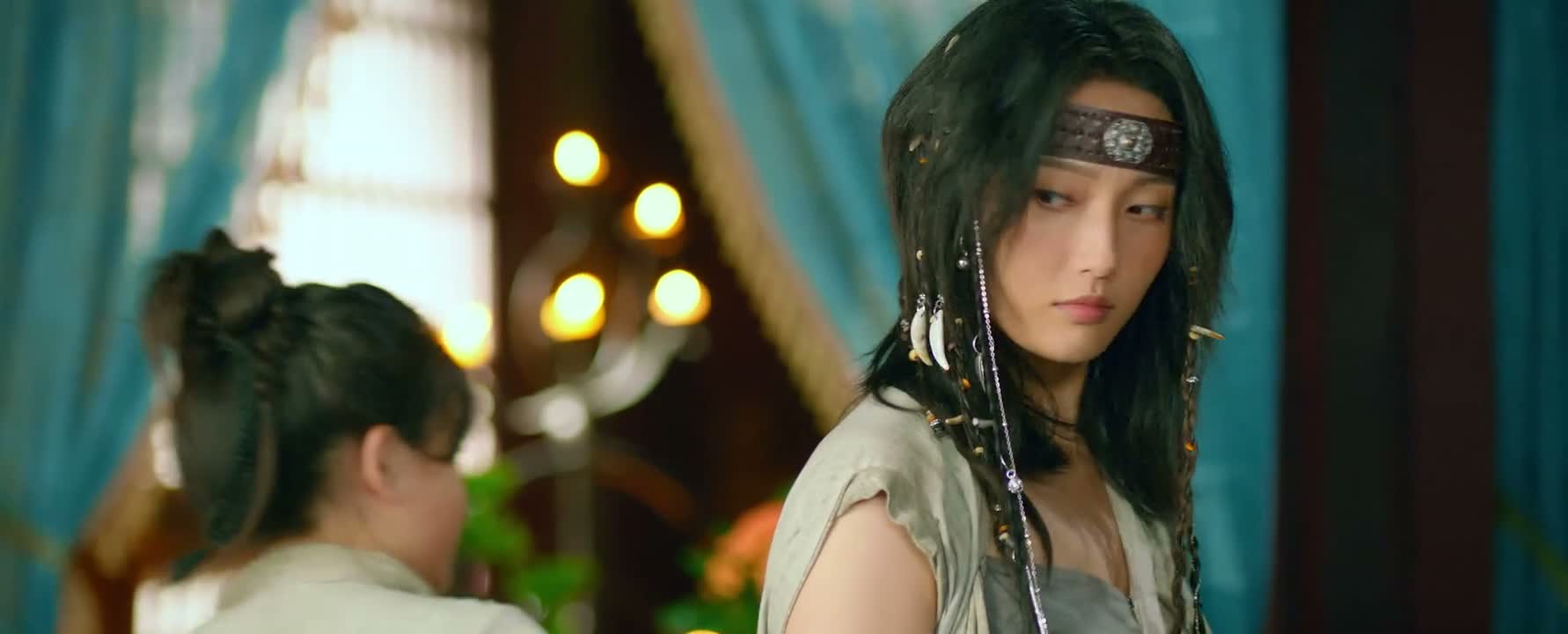
“Clearly, you can sing and dance.”

“I'd advise against this type of dance. You know what?”