你为什么总把所有事情 都放在自己身上
“Why do you always shoulder everything yourself?”
THE DIALOGUE REEL
阿璃
“Li.”
你 为什么 总把所 有事 情 都 放在自己身上
“Why do you always shoulder everything yourself?”
你现在有我了
“You have me now.”
“You don't have to carry this alone anymore; let me share the burden.”
The speaker's reproach stems from 'xinteng' (loving pity/aching empathy), where one hurts emotionally seeing a loved one quietly shoulder heavy hardships.
LEARNING CHUNKS & PARTICLES
take upon oneself / bear the burden alone
Metaphorically used to describe someone internalizing responsibility, guilt, or heavy pressure rather than seeking help.
everything / all matters
Common phrase used for emphasis when generalizing a complete set of events or problems.
VOCABULARY & EXPRESSIONS
Parallel Spoken Cinema Scenes (语义近邻切片)

“Don't always blame everything on yourself.”
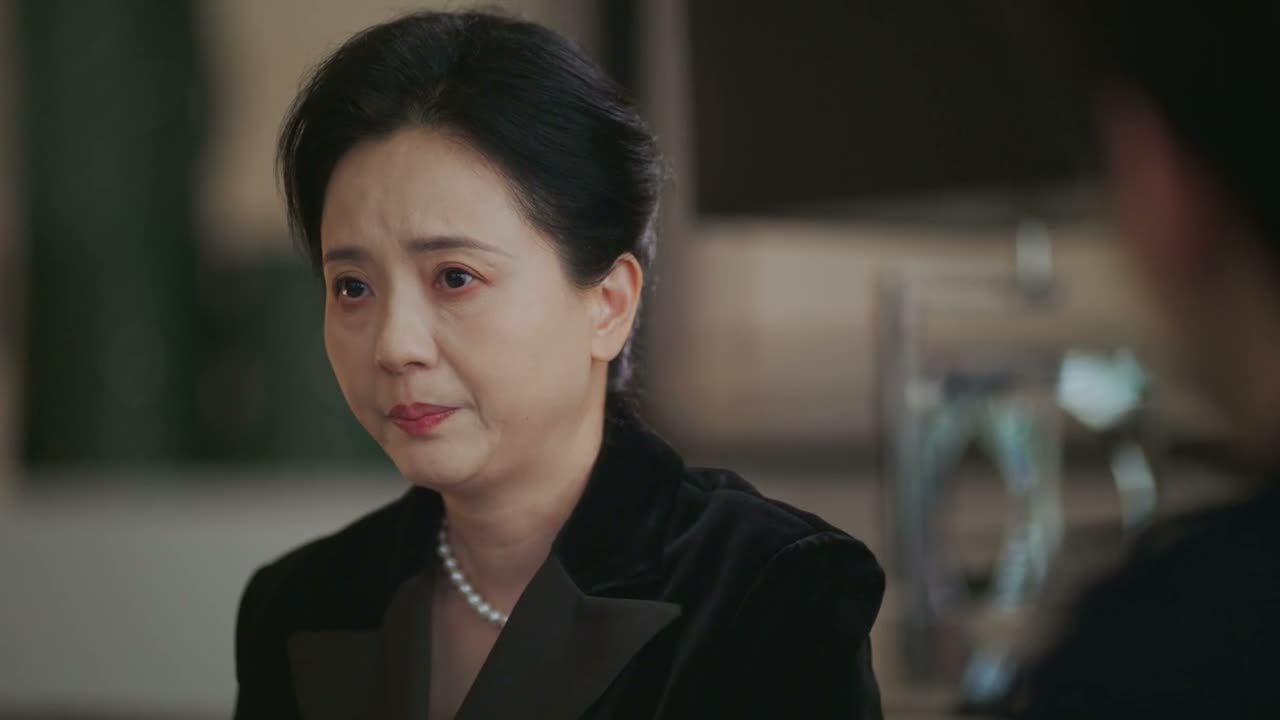
“and left everything to me.”

“you can push everything onto me.”

“and left it all to me.”

“Don't try to take it all upon yourself.”