把所有的一切都留给了我
“and left everything to me.”
THE DIALOGUE REEL
把所有的一切 都留 给了我
“and left everything to me.”
我怎么能不怨
“How could I not resent him?”
“You walked away effortlessly and dumped all the mess on me, so how could I not hate you?”
In Chinese culture, when an individual abandons the domestic unit, the one who stays behind must shoulder enormous familial and economic obligations, often resulting in profound moral grievance.
LEARNING CHUNKS & PARTICLES
absolutely everything
An emphatic expression used to highlight the entirety or totality of a situation, burden, or possession.
left behind to me
Used to describe receiving an inheritance, legacy, or—frequently in emotional contexts—an unwanted mess or heavy burden.
Marks the completed transition of the burden from the person who left to the speaker.
VOCABULARY & EXPRESSIONS
Parallel Spoken Cinema Scenes (语义近邻切片)

“and left it all to me.”

“He cared about everyone.”

“Everyone and everything must make way for it.”

“♪ And blown toward flowers blooming far away ♪ Let everything go with it.”

“dedicating their lives.”

“I'll take back everything that belongs to me.”

“everything here feels strange to me.”

“I gave you my all.”

“Why do you always shoulder everything yourself?”

“having the very best of everything:”

“I felt like I had it all.”

“So I hid them all.”

“Everything I had was ruined by him.”

“giving you everything she has, and even”

“I started all this,”

“you can push everything onto me.”

“I'll end this my own way.”

“got you all my clients.”

“Everything… I did it.”
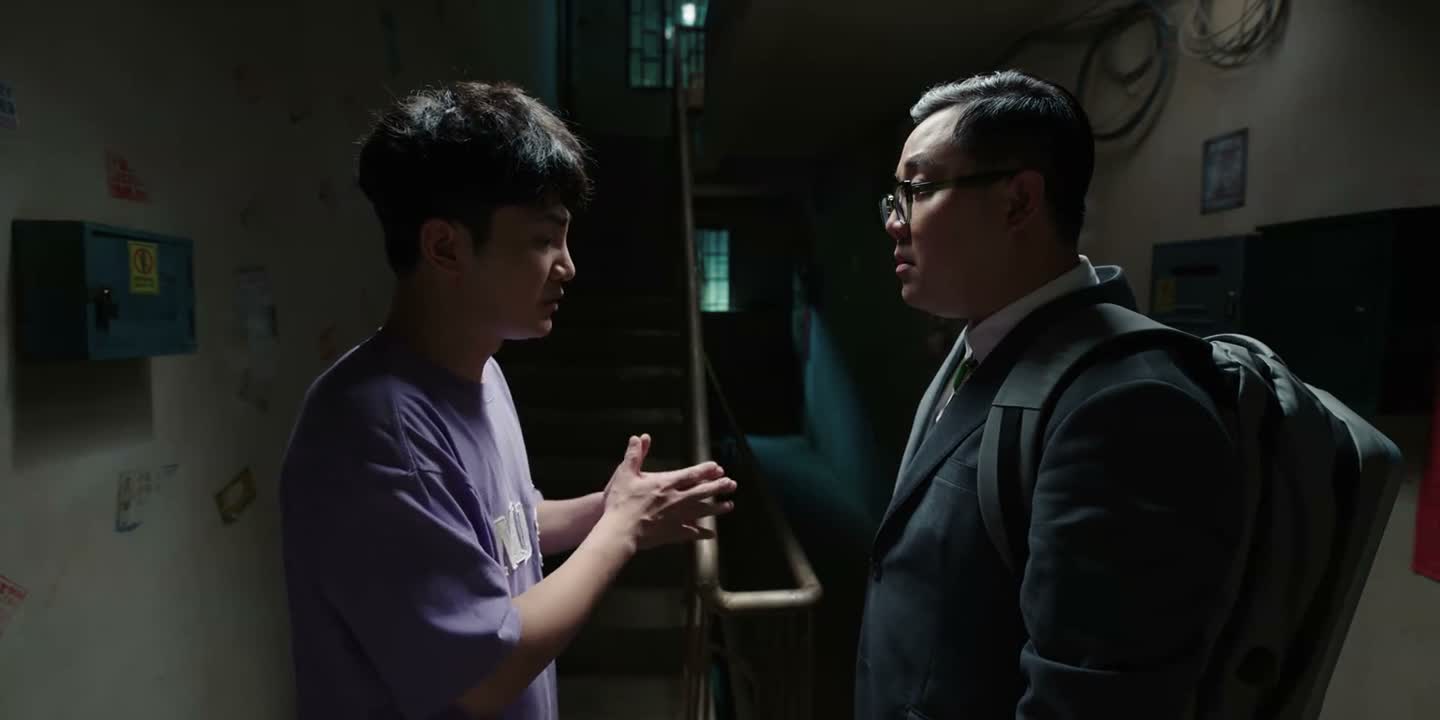
“break up all the time from this day,”

“leaving all the farm work to me.”

“and ruin everything he longs for.”

“and having it all come to nothing.”

“Every decision I made”

“you have to sacrifice all your memories.”

“needs to sacrifice all their memories.”

“I'll blow everything up,”

“It means, simply put, I make all the decisions that affect his life.”

“Turns out, you had everything under control.”

“and connected the dots.”

“I would place everything in his hands.”

“if I own everything”