爸 你什么时候 不爱吃油麦菜了
“Dad, since when have you stopped liking it?”
THE DIALOGUE REEL
你爸从来不吃油麦菜 你不知道啊
“You dad doesn't like Indian Lettuce. You don't know that?”
爸 你什么时候 不爱吃油麦菜 了
“Dad, since when have you stopped liking it?”
爸
“Dad?”
“How come I never knew you didn't like this? Did your taste change, or was I just that oblivious?”
In Chinese family culture, knowing what elderly parents like or dislike eating is considered a basic benchmark of filial piety and attentiveness.
LEARNING CHUNKS & PARTICLES
when / since when
Commonly placed directly after the subject in conversational Chinese to ask about the timing of an ongoing or completed state change.
dislike eating / do not care for (food)
A common, mild, and natural spoken phrase to express personal dietary dislikes without sounding overly harsh.
Indicates a perceived change of state, implying that the speaker assumed the father previously liked the vegetable.
VOCABULARY & EXPRESSIONS
Parallel Spoken Cinema Scenes (语义近邻切片)
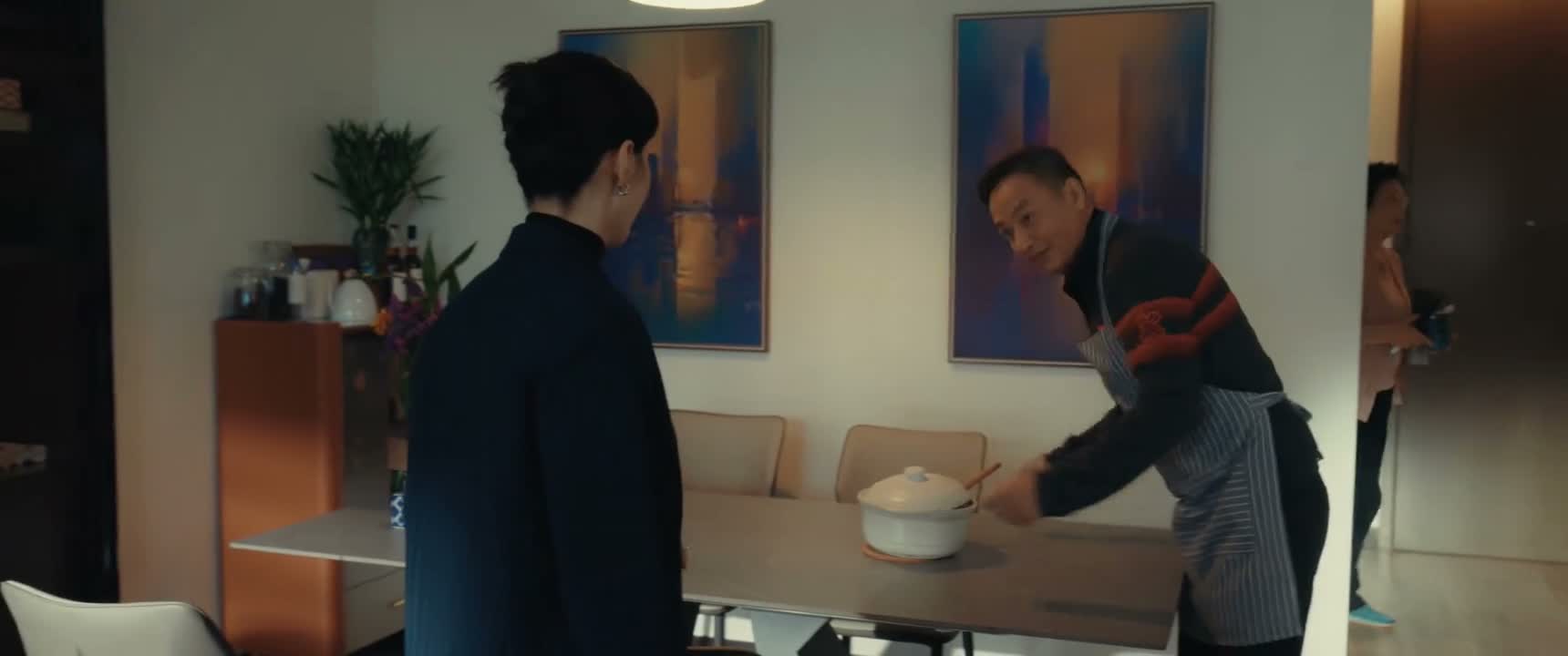
“Breakfast will be ready soon. Dad, I won't eat.”

“your dad wouldn't have gotten so angry.”
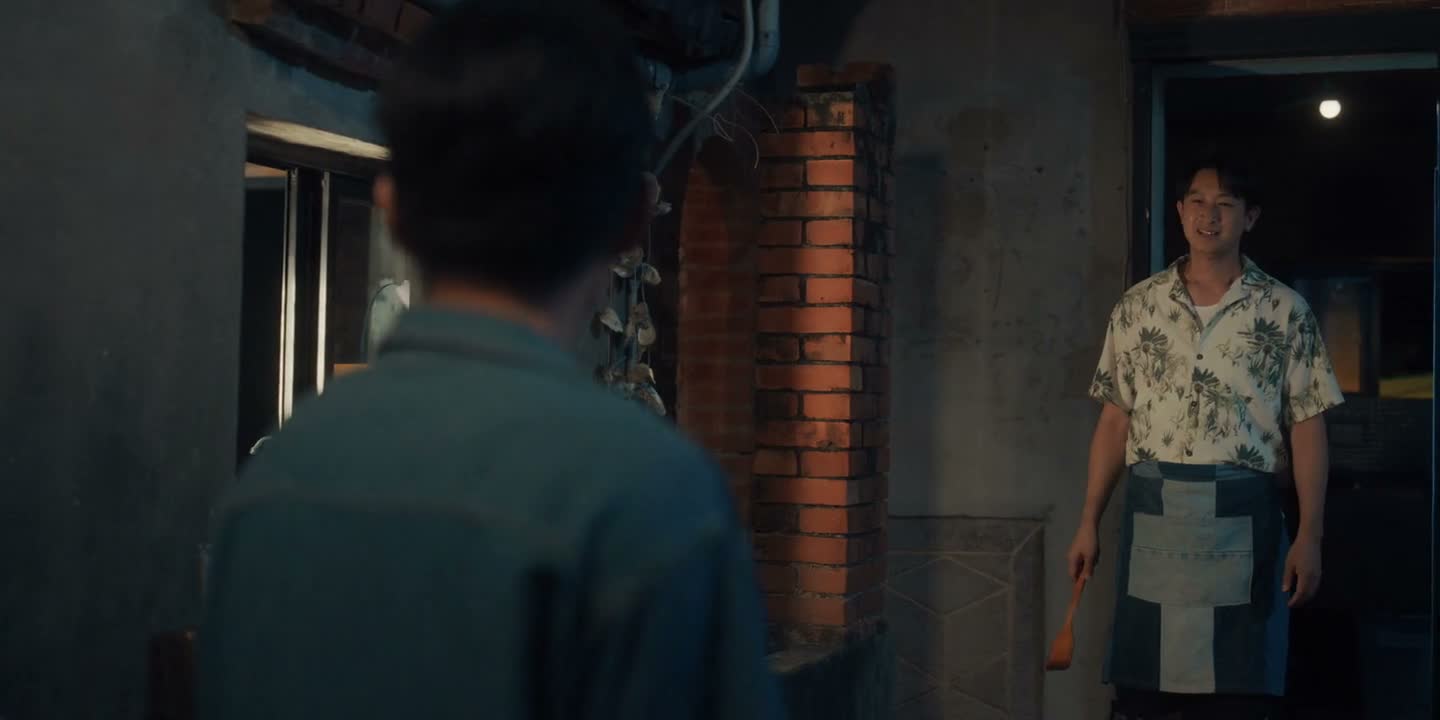
“Your dad was worried you didn't eat enough tonight.”

“Dad. You're going back on your word again.”

“Dad, I'm full. I'm going to work.”

“Dad, I'm done. I'm going to work.”