别一见面 你就跟我们阴阳怪气的
“Don't throw sarcasm at me when we've just met again.”
THE DIALOGUE REEL
我请假出来的 得回博物馆上班啊
“I came out on leave. I need to go back to the museum to work.”
别一 见面 你就跟我们 阴阳怪气 的
“Don't throw sarcasm at me when we've just met again.”
“You're mad at me? If you hadn't started”
“Drop the hostile attitude and speak to us directly instead of making snide remarks.”
High-context Chinese communication often relies on subtle irony rather than direct confrontation; labeling someone as 'yinyang guaiqi' directly shames them for this passive-aggressive indirectness.
LEARNING CHUNKS & PARTICLES
passive-aggressive / sarcastic and snide
A very popular four-character idiom describing speech or behavior that is duplicitous, veiled, or mocking.
don't, right when we meet...
Used to protest an immediate negative reaction that occurs as soon as people encounter each other.
Placed at the end of the clause after the adjective to emphasize manner or behavioral state.
VOCABULARY & EXPRESSIONS
Parallel Spoken Cinema Scenes (语义近邻切片)

“Once you leave, it'll be hard to see them again.”

“and haven't had the chance to visit you. I hope you don't mind.”

“From now on, we can also meet openly and without awkwardness.”

“It's not like we won't see each other again.”

“Next time we meet, pick somewhere more secure.”
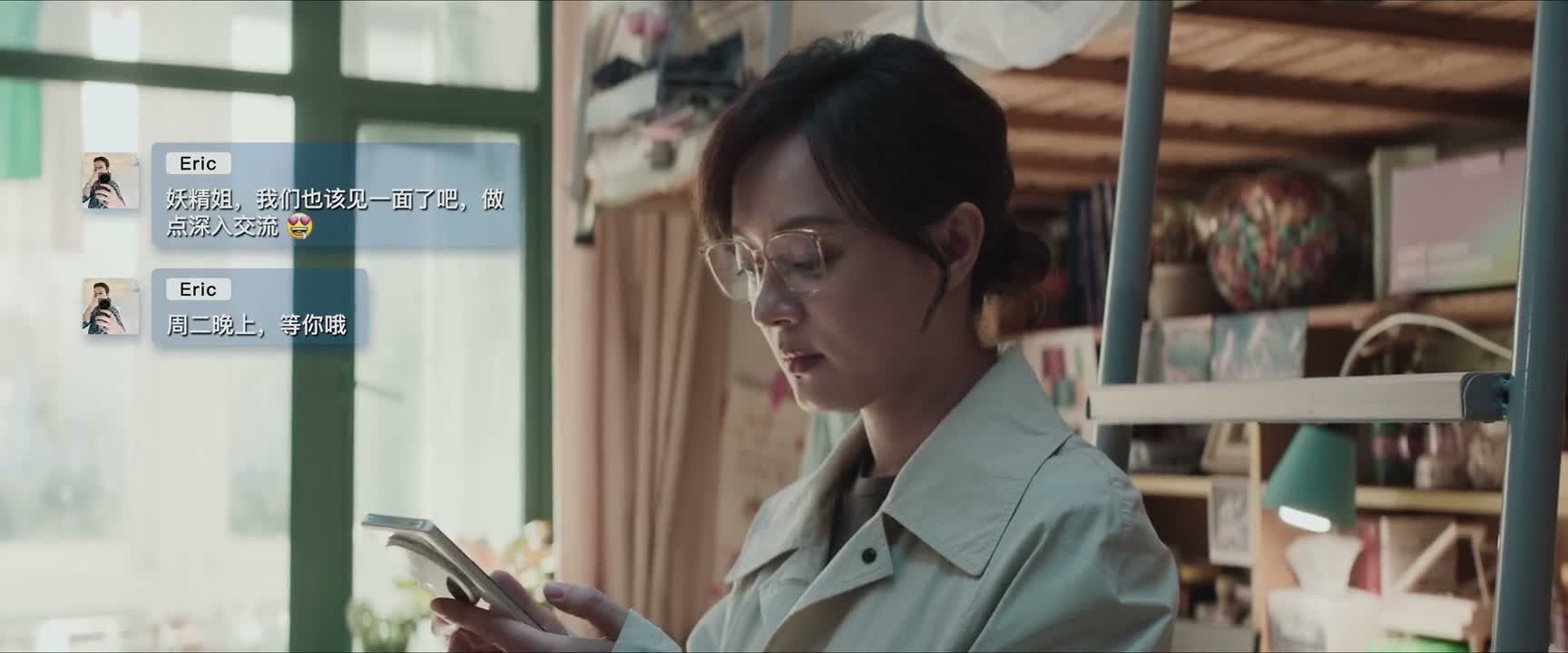
“[Hey vixen, it's time for us to meet] it's time for us to meet. [Let's get to know each other deeper]”