你怎么会觉得 我们会看你笑话呢
“Why do you think you'll be a joke to us?”
THE DIALOGUE REEL
谁会看你笑话
“Why would you be a joke?”
你 怎么会 觉得 我们 会看你笑话 呢
“Why do you think you'll be a joke to us?”
我们还是亲朋友吗 是亲朋友 就是因为是亲朋友
“Are we still real friends? We are! That's exactly why I need to”
“Stop feeling embarrassed around us—we genuinely care about you.”
Admitting failure or showing vulnerability often triggers intense fear of losing face, requiring close friends to explicitly reassure that no mockery will occur.
LEARNING CHUNKS & PARTICLES
laugh at someone; make fun of someone's misfortune
Very common idiom describing taking pleasure in someone else's embarrassment or failure.
how could it be; why would
Rhetorical question marker used to express disbelief or reassure someone against an unfounded worry.
Softens the rhetorical question and invites empathetic reflection rather than aggressive confrontation.
VOCABULARY & EXPRESSIONS
Parallel Spoken Cinema Scenes (语义近邻切片)

“If you are treating this as a joke, just look closely.”

“waiting to make a mockery of me.”
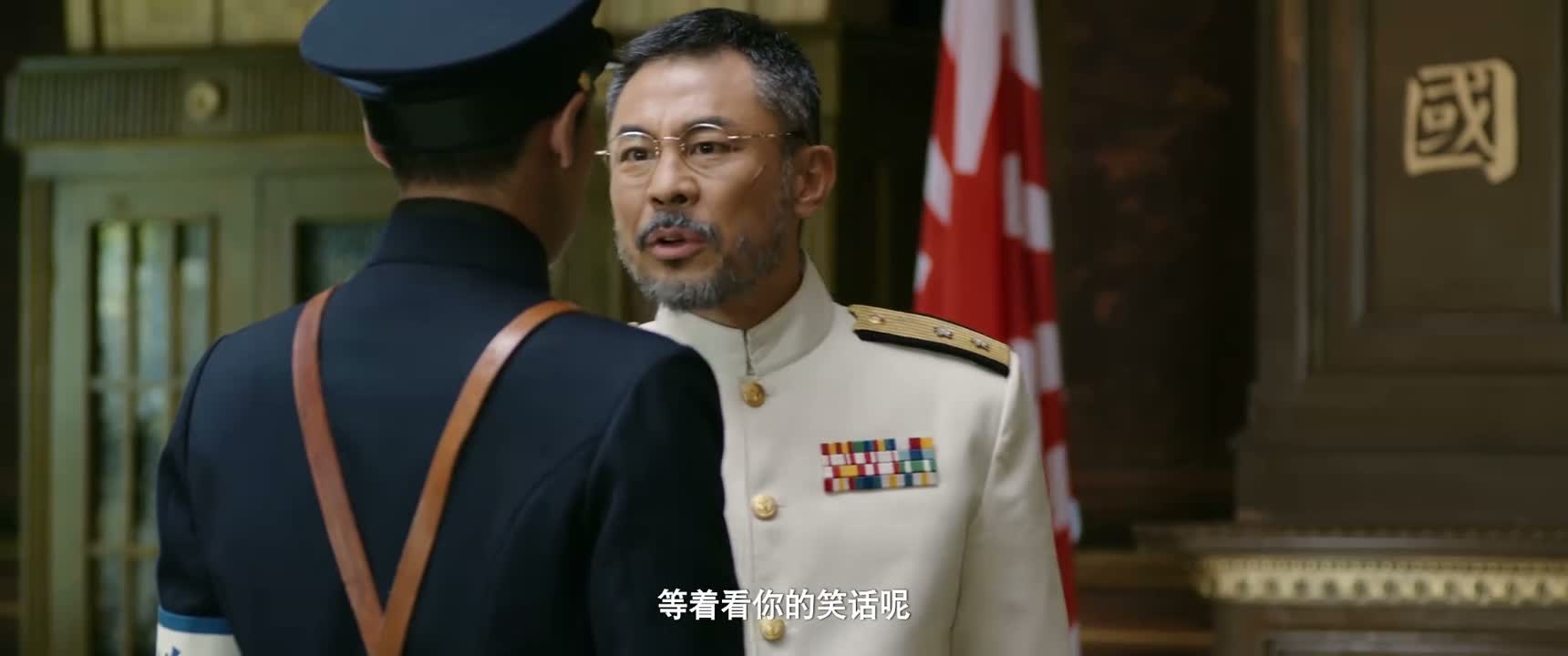
“waiting to see you make a fool of yourself.”

“Everyone is laughing at you.”

“Are you treating this as a joke?”

“wouldn't I be a joke to all of you?”