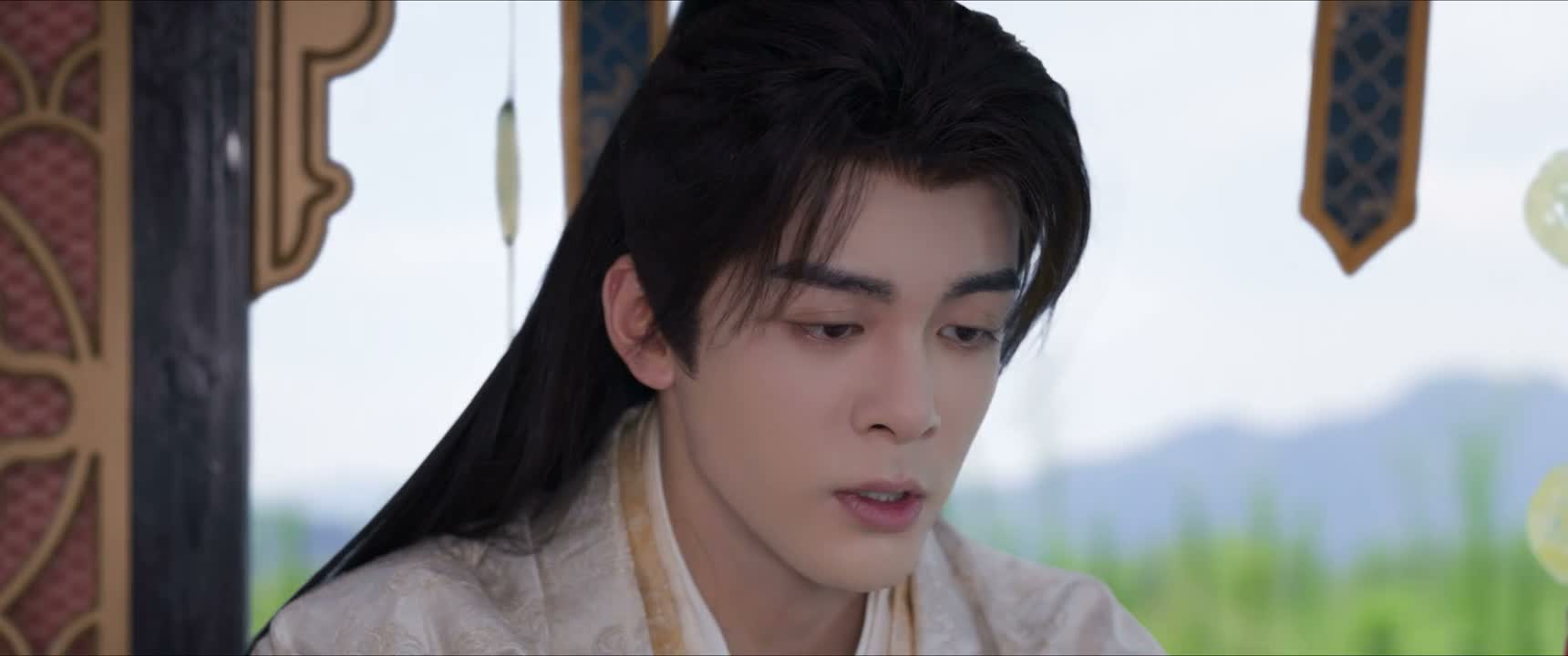
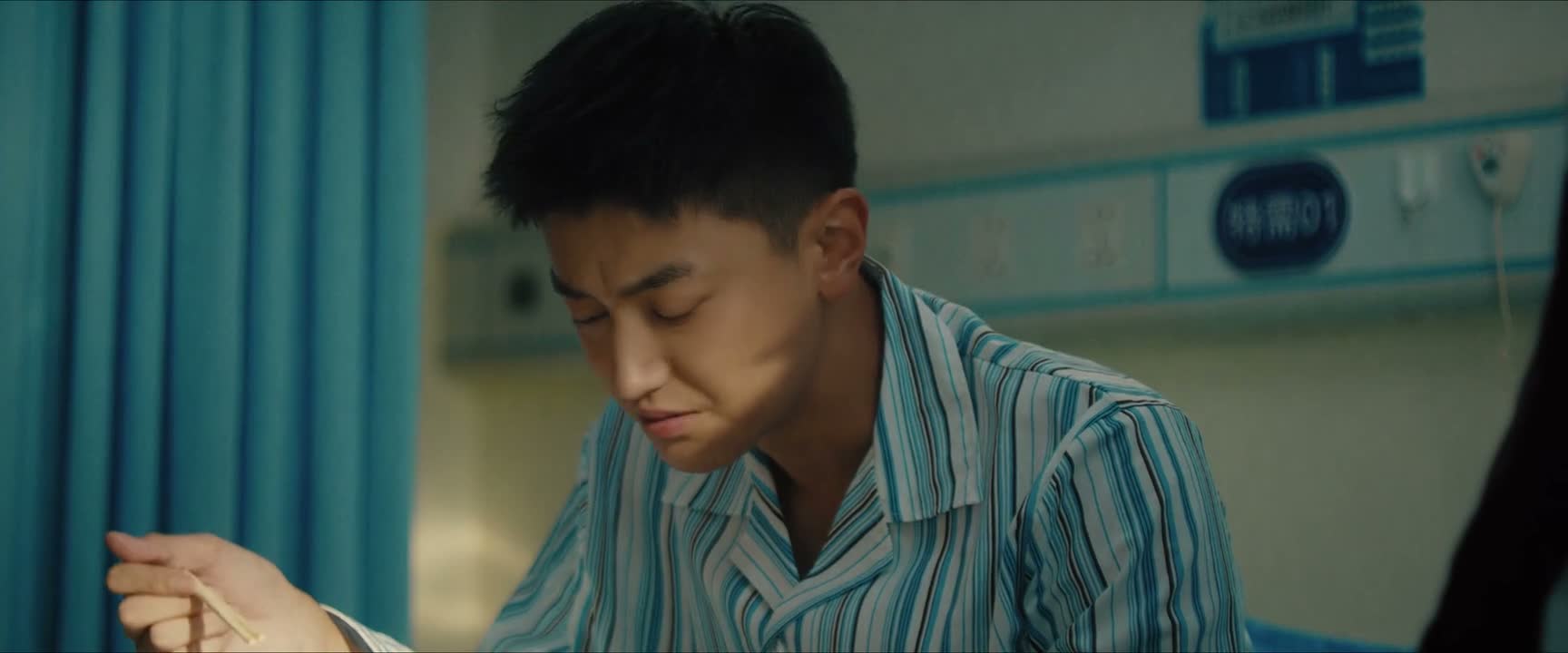
《Go Ahead》 S1·E24 (20:33)
HSK 3
wǒ gēn wǒ zì jǐ shēng qì ne
我跟我自己生气呢
“I'm mad at myself.”
《Go Ahead》
S1·E24
TIMECODE: 20:33
·
1080P MASTER AUDIO
THE DIALOGUE REEL
[-1] PREVIOUS TURN
wǒ shì jué de zì jǐ tè bié diū rén
我是觉得自己特别丢人
“I just feel so embarrassed.”
wǒ gēn wǒ zì jǐ shēng qì ne
CURRENT FOCUS
我跟我 自己 生气 呢
“I'm mad at myself.”
Subtitles synced to millisecond timecode
Browse Show Clips →
Scene:
Social & Dating
Function:
SELF REPROACH
Tone:
DEJECTED
Emotion:
FRUSTRATION
WHAT THEY REALLY MEAN (PRAGMATIC SUBTEXT)
Direct spoken expression in this communicative setting.
💡 Cultural Insight: Face and Self-Blame (Zize)
When experiencing a loss of face (diu ren), Chinese speakers frequently turn their distress inward into self-blame rather than projecting blame outward to preserve social harmony.
INTENT TAGS:
#self_blame
#clarification
#frustration
#venting
🧩
1 CHUNKS · 1 PARTICLES
LEARNING CHUNKS & PARTICLES
跟……生气
SPOKEN CHUNK
to be angry with (someone)
A standard spoken pattern for expressing anger toward a person, here used reflexively with 'myself'.
Modal Particle「呢」 (ne)
CHANGE OF STATE
Indicates an ongoing emotional state and softens the declaration while explaining one's mood.
🏮
2 EXPR · 0 GRAMMAR
VOCABULARY & EXPRESSIONS
COLLOQUIAL EXPRESSIONS:
CROSS-CINEMA CORPUS BOARD · PARALLEL SCENES
EXPLORE BY SEMANTIC SIMILARITY
Parallel Spoken Cinema Scenes (语义近邻切片)
《Go Ahead》 S1·E24 (20:33) · Authentic Cinema Dialogue Corpus