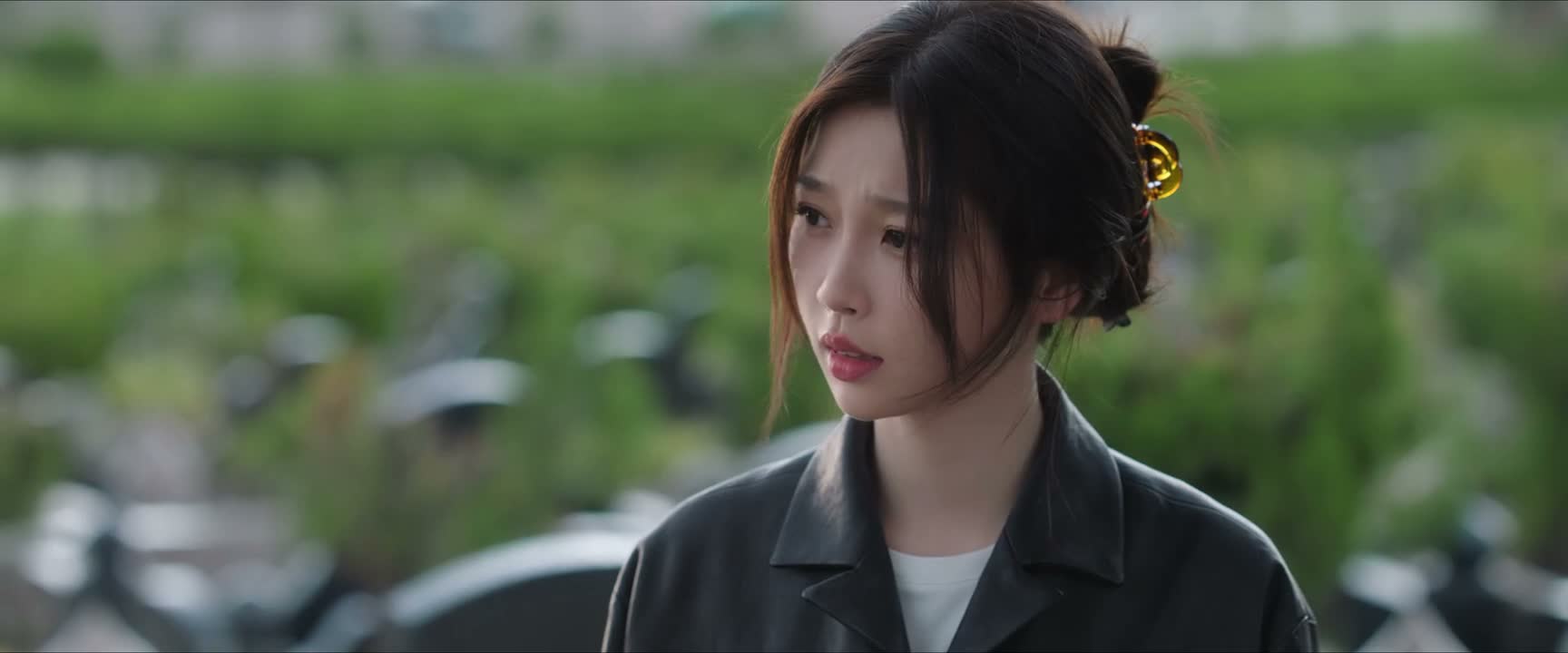
你还是生我的气吧
“You should be mad at me.”
THE DIALOGUE REEL
你还是 生我的气 吧
“You should be mad at me.”
“I feel I really sorry about all this.”
“Blame me, not yourself; it kills me to see you carry this guilt.”
In close Chinese relationships, seeing a loved one endure self-inflicted distress triggers intense guilt (kuidai), prompting the partner to demand the blame instead.
LEARNING CHUNKS & PARTICLES
to be angry with [someone]
The standard separable verb structure to indicate being mad or annoyed at a specific individual.
had better... / would be better to...
Used to make a suggestion or preference after considering alternatives, softening the directive.
Softens the imperative into a heartfelt, persuasive suggestion.
VOCABULARY & EXPRESSIONS
Parallel Spoken Cinema Scenes (语义近邻切片)

“Are you still mad at me?”

“Are you still mad at me?”

“Are you mad at me?”

“He's still mad at me.”

“that childish temperament.”
“I know you're still mad with your dad and me,”