MC
MandarinClips Cinema Corpus
《Born to Be Alive》 S1·E27 (08:19) HSK 5
tí chū de shí jiān shì zài wǒ de bào dào zhī qián hái shì zhī hòu ne

提出的时间 是在我的报道之前 还是之后呢

“Was it proposed before or after my report came out?”

《Born to Be Alive》 S1·E27
TIMECODE: 08:19 · 1080P MASTER AUDIO

THE DIALOGUE REEL

1+1+1 SPOKEN CONTINUITY
[-1] PREVIOUS TURN zhè ge zhěng hé jì huà zuì chū shì yóu shuí tí chū de

“Who proposed this consolidation plan?”

tí chū de shí jiān shì zài wǒ de bào dào zhī qián hái shì zhī hòu ne CURRENT FOCUS

提出的时间 是在我的报道之前 还是 之后呢

“Was it proposed before or after my report came out?”

[+1] FOLLOW-UP TURN nǐ kě néng bù xiāng xìn

你可能不相信

“You might not believe it.”

Subtitles synced to millisecond timecode Browse Show Clips →
Scene: Workplace
Function: PROBING TIMELINE
Tone: INQUISITIVE
Emotion: SKEPTICISM
WHAT THEY REALLY MEAN (PRAGMATIC SUBTEXT)
“Give me the exact timeline; I need to know if you reacted to my report.”
💡 Cultural Insight: Investigative Inquiries and Media Scrutiny

Journalists and analysts in professional Chinese settings use precise, binary-choice questions paired with the particle 'ne' to remain professional and objective while boxing the respondent in.

INTENT TAGS: #interrogating #clarifying_timeline #fact_checking #investigation
🧩

LEARNING CHUNKS & PARTICLES

1 CHUNKS · 1 PARTICLES
提出的时间 SPOKEN CHUNK

the time it was proposed

A formal attributive structure widely used in professional interviews, reports, and inquiries.

Modal Particle「呢」 (ne) CHANGE OF STATE

Softens the interrogative pressure while maintaining an expectant, probing stance on the alternative choice.

🏮

VOCABULARY & EXPRESSIONS

1 EXPR · 2 GRAMMAR
COLLOQUIAL EXPRESSIONS:
CROSS-CINEMA CORPUS BOARD · PARALLEL SCENES

Parallel Spoken Cinema Scenes (语义近邻切片)
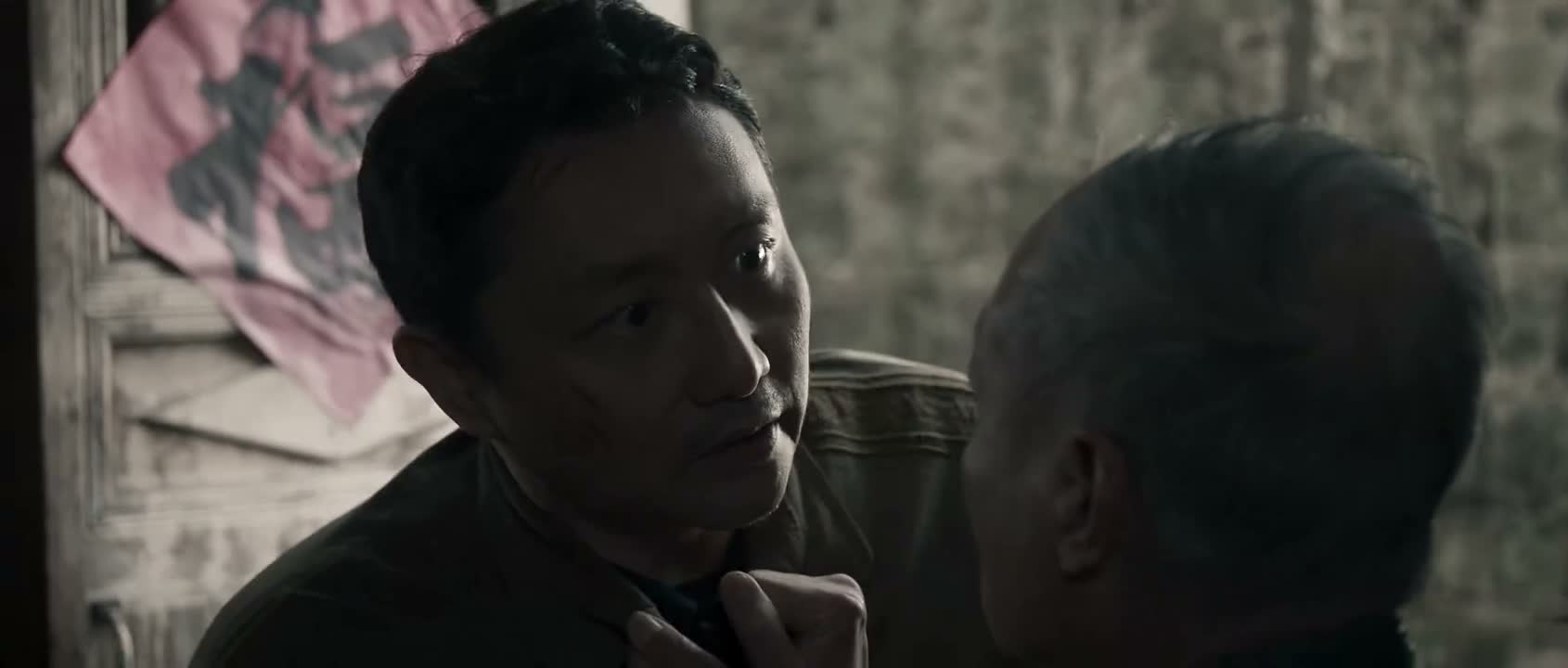
EXPLORE BY SEMANTIC SIMILARITY
《Born to Be Alive》 S1·E27 (08:19) · Authentic Cinema Dialogue Corpus