好好好 我什么都不知道啊 什么都不知道
“Alright, I know nothing. Absolutely nothing.”
THE DIALOGUE REEL
你说的是冷队吧 没 我早知道了 你别乱说你
“You mean Captain Leng, right? No. - I knew it ages ago. - Don't you dare say anything.”
好好好 我什么都不知道 啊 什么都不知道
“Alright, I know nothing. Absolutely nothing.”
我觉得你跟嫂子那样就特好
“I think what you and Jing have is really great.”
“Alright, have it your way, I'll play dumb so you don't panic.”
In close Chinese friendships, playfully conceding with exaggerated claims of ignorance ('I know nothing') serves as friendly teasing rather than actual admission of fault.
LEARNING CHUNKS & PARTICLES
fine, fine, fine / alright, alright
Repeated in rapid succession to indicate mock surrender or quick concession to end an argument.
know nothing at all
A common colloquial construction using '什么都' (everything / anything) with a negative verb to express absolute ignorance or play dumb.
Softens the assertion and conveys a playful, bantering tone rather than genuine defensiveness.
VOCABULARY & EXPRESSIONS
Parallel Spoken Cinema Scenes (语义近邻切片)

“What do you want? I don't even know anything.”

“I know nothing at all.”

“I don't know anything. I'll get back to work now.”

“I don't know anything! Let's see…”
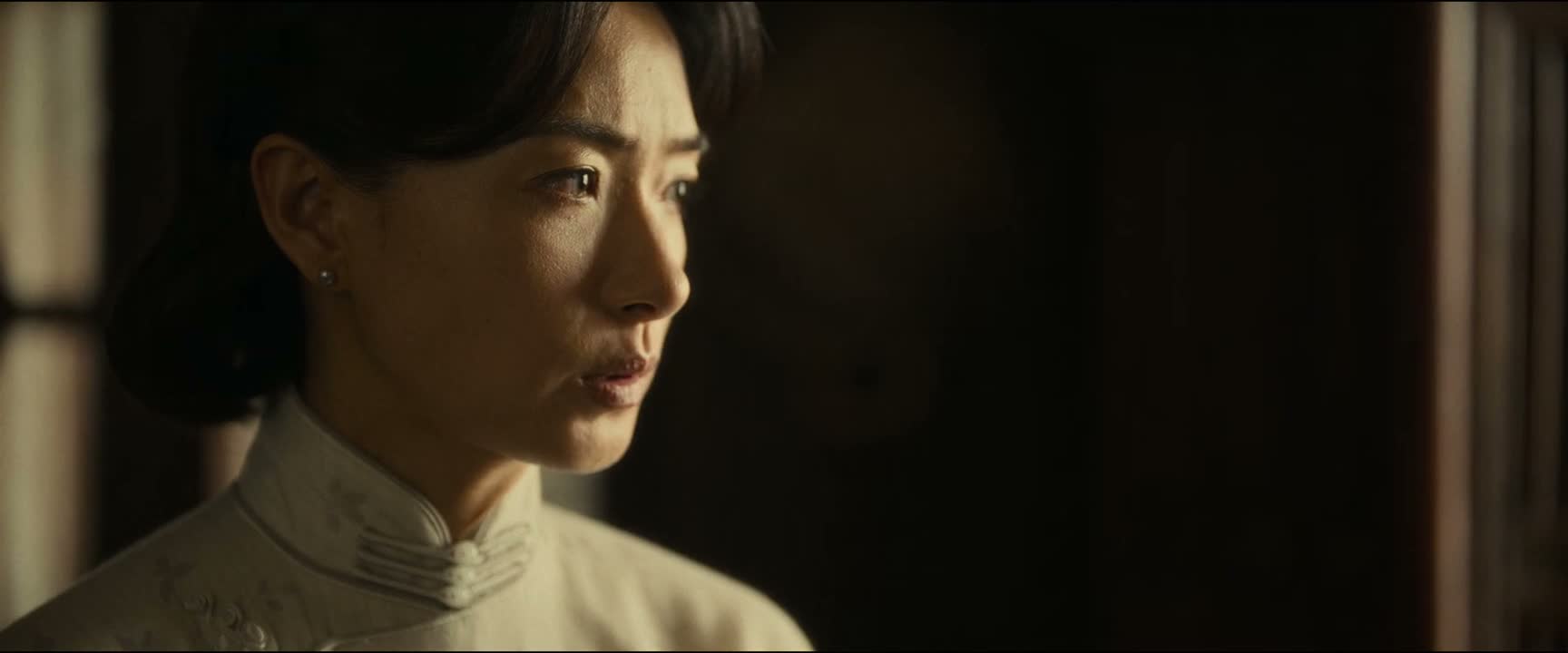
“I really don't know whether this is a good thing or a bad thing.”

“I know nothing, Aunt.”

“I don't know anything.”

“Alright! I believe you.”