后来到了年纪得幸出宫
“Later, upon reaching a certain age, she was fortunate enough to leave the palace.”
THE DIALOGUE REEL
“was once Crown Princess Chengde's most trusted maid.”
后来到了年纪得幸出宫
“Later, upon reaching a certain age, she was fortunate enough to leave the palace.”
“On the surface, she married my father,”
Direct spoken expression in this communicative setting.
In imperial China, palace maids were often recruited young and granted permission to leave the palace to marry or return home once they reached a designated age threshold, typically in their mid-twenties.
LEARNING CHUNKS & PARTICLES
reached the customary/appropriate age
Commonly refers to reaching an age threshold for marriage, retirement, or customary milestones.
to have the good fortune to; to be favored with
A highly formal or archaic humble term expressing gratitude for receiving an imperial privilege or favor.
leave the imperial palace
Refers specifically to palace maids or officials being discharged from palace service.
Parallel Spoken Cinema Scenes (语义近邻切片)

“Later, I heard she was leaving the palace.”
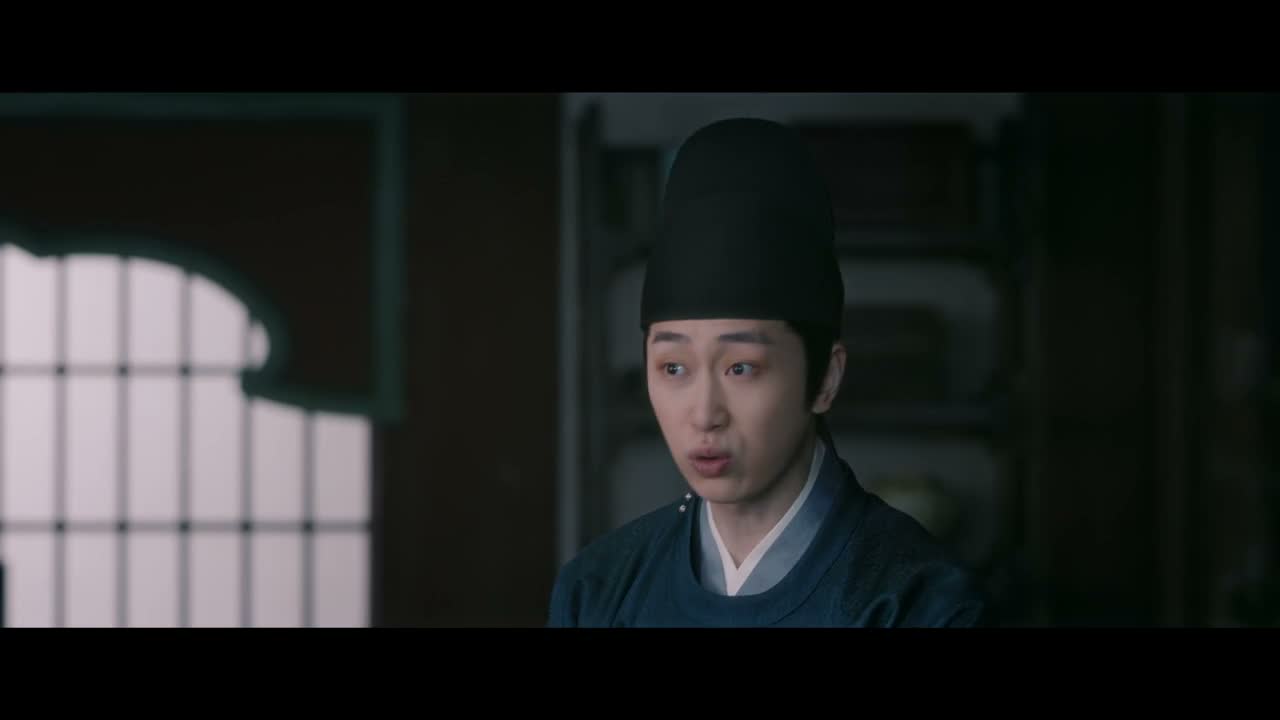
“She still owed me a tidy sum before leaving.”

“The last time I entered the palace was 20 years ago.”

“you've already passed the age for marriage.”

“you should have kicked me out of the palace in the first place, ♪ Why so many laments echo in the wind ♪”

“Even if you leave the palace one day,”