后来 我听说她要出宫了
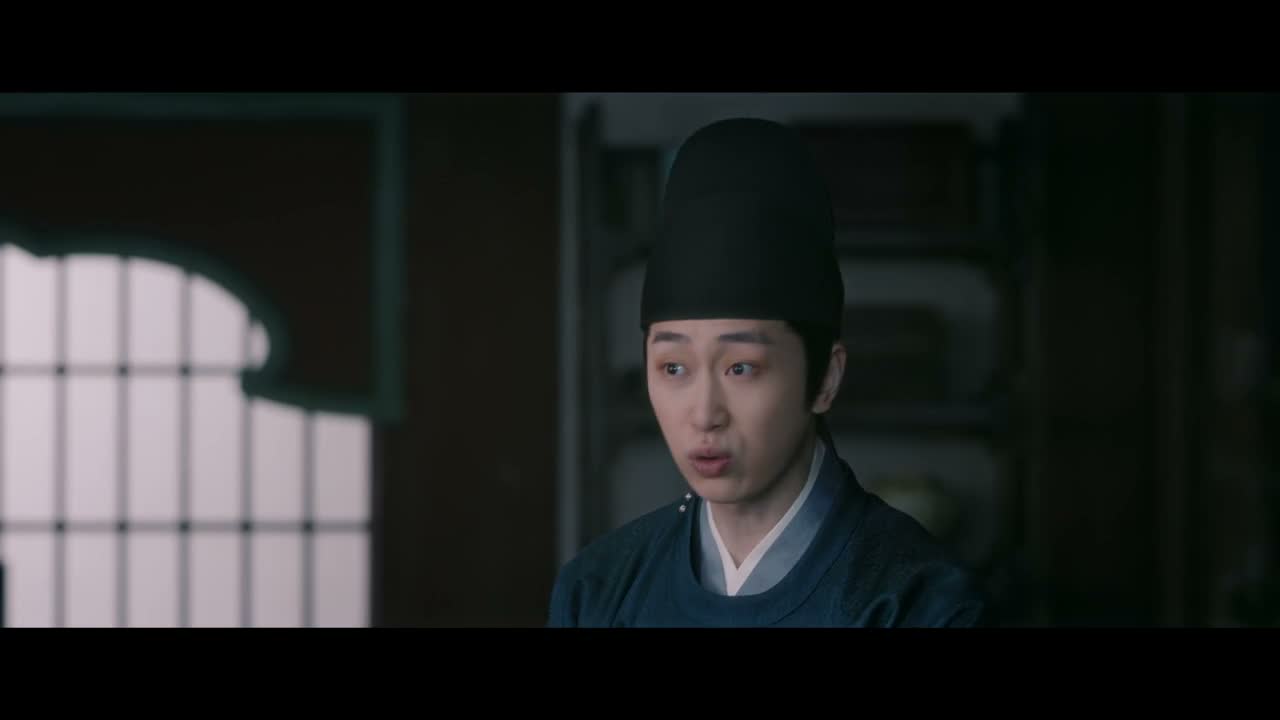
“Later, I heard she was leaving the palace.”
THE DIALOGUE REEL
后来 我听说 她要出宫了
“Later, I heard she was leaving the palace.”
“I thought it would be my last chance,”
“Once she left the palace, I would lose her forever — that news forced my hand.”
In imperial China, palace women, maids, and staff lived inside the palace walls under strict control; being released to leave ('出宫') was rare and usually permanent. Once someone left, those still inside essentially lost all contact with them, so the departure date functioned as an absolute deadline for any personal matters.
Narrating events chronologically with 'later, I heard...' reflects a common discourse habit in Chinese storytelling, where a speaker first reconstructs the chain of events before stating their motive, especially when accounting for their behavior to someone of higher status.
LEARNING CHUNKS & PARTICLES
later; afterwards
Use it to begin a sentence when continuing a story from an earlier point in time, e.g. in interviews, confessions, or personal narratives.
to hear (that); (it is) said that
Use it to report second-hand information so you do not sound like you personally vouch for the fact, similar to 'I heard that...' in English.
to leave the palace (of imperial dramas; for palace residents or staff)
Use it only for historical/palace settings; in modern contexts replace it with '离开' plus the place.
she was about to leave the palace
Use the '要...了' frame to announce an imminent change of state, just like 'she is about to / going to...' in English.
Sentence-final '了' marks a change of state: it presents her leaving the palace as a new development that had just come to his attention, adding a flavor of 'things were about to change'.
VOCABULARY & EXPRESSIONS
Parallel Spoken Cinema Scenes (语义近邻切片)

“Later, upon reaching a certain age, she was fortunate enough to leave the palace.”

“you should have kicked me out of the palace in the first place, ♪ Why so many laments echo in the wind ♪”

“it's obvious the Empress Dowager would not invite him out of the palace for no reason.”

“I saw her come out, but I haven't seen her since.”

“Maybe you saw her leave, perhaps heard where she was going.”
“She still owed me a tidy sum before leaving.”