那你当时 下得去手吗
“Can you do it at that time?”
THE DIALOGUE REEL
我就进来了
“So I came in.”
那你当时 下得去手 吗
“Can you do it at that time?”
开始下不去手
“I can't do it at first.”
Direct spoken expression in this communicative setting.
The idiom reflects the deep cultural expectation that normal human empathy should naturally prevent a person from committing physical violence against another.
LEARNING CHUNKS & PARTICLES
bring oneself to lay hands on / have the heart to hit or harm
A potential complement structure used to express whether someone has the emotional cruelty or nerve to commit a violent or harsh act.
Standard question particle turning the statement into a direct inquiry.
VOCABULARY & EXPRESSIONS
Parallel Spoken Cinema Scenes (语义近邻切片)
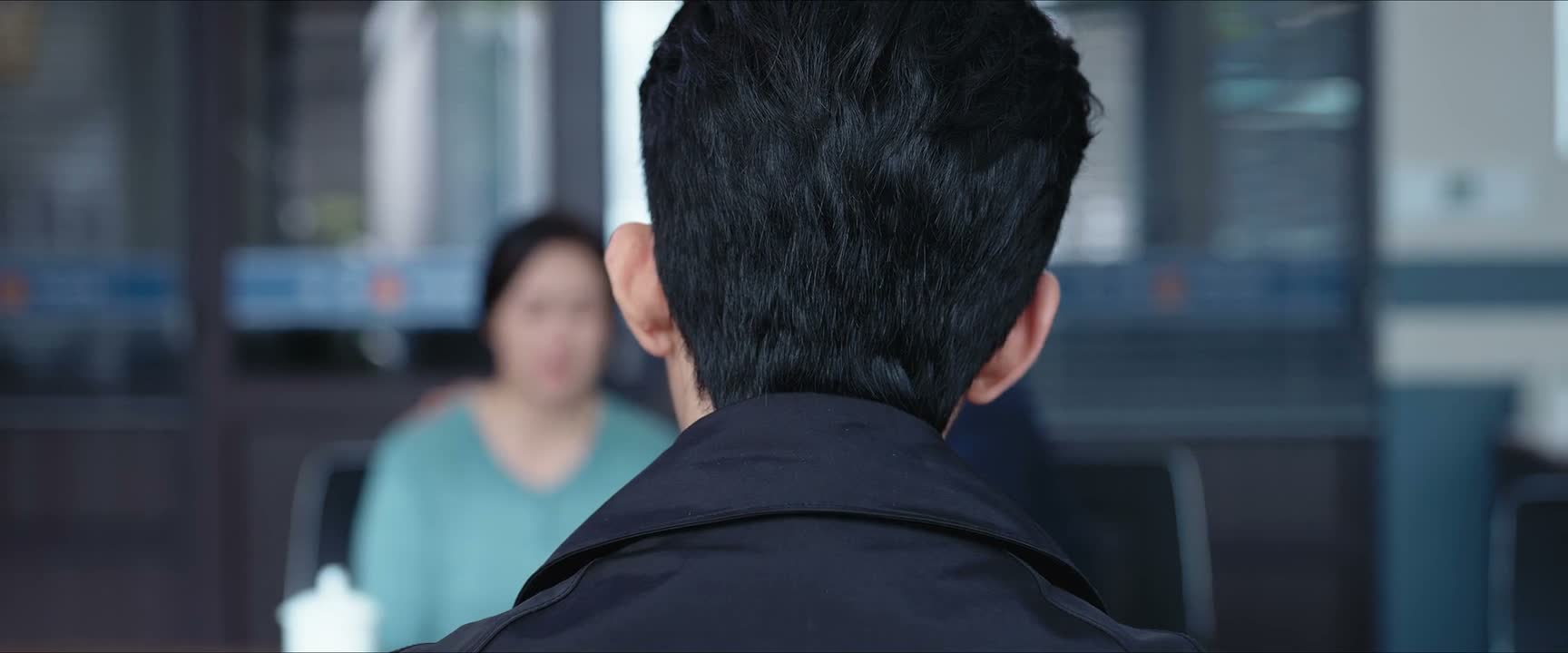
“But I couldn't do it.”
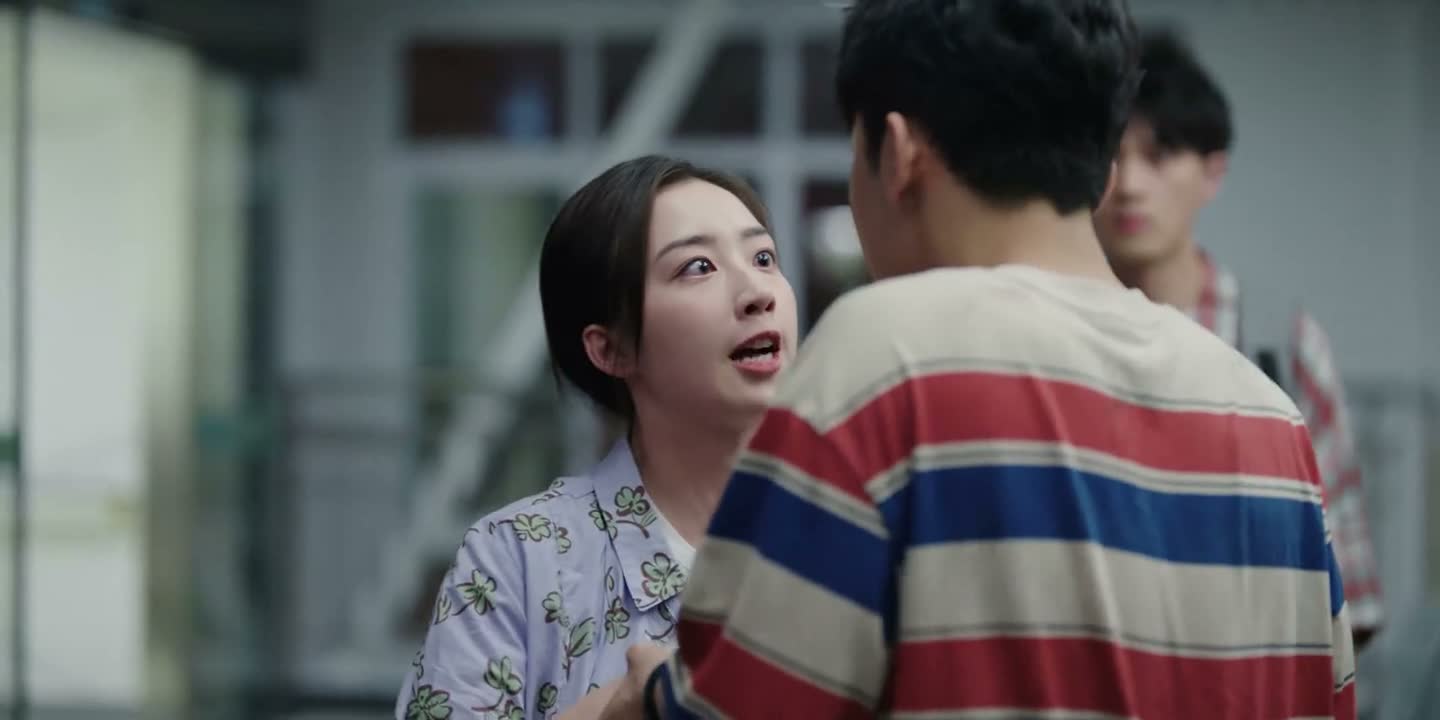
“Even if I can't, I have to.”

“But at that time,”

“Get down! Are you crazy? Look where you are! Not your home!”
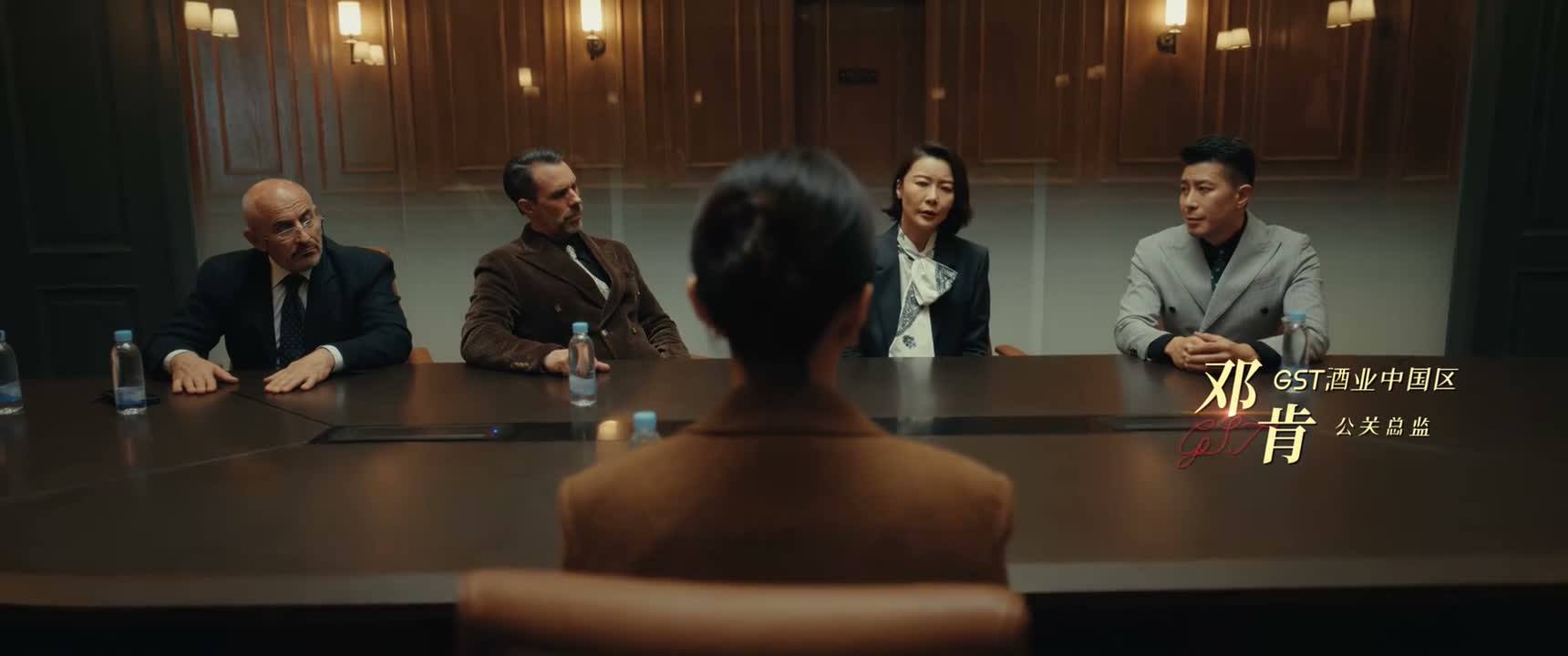
“Weren't you there?”

“be so cruel to themselves?”