志强 没事吧 没事 没事 这是箱子上有刺
“Zhiqiang. Are you okay? I'm fine. A thorn on the box pricked my hand.”
THE DIALOGUE REEL
高厂长
“Ms. Gao.”
志强 没事吧 没 事 没 事 这 是 箱子上 有 刺
“Zhiqiang. Are you okay? I'm fine. A thorn on the box pricked my hand.”
“A thorn on the box pricked my hand. Let us help you, Ms. Gao. No need.”
“Don't worry, it's just a tiny scratch from the box, nothing serious.”
In working-class Chinese culture, individuals frequently brush off minor physical injuries with repeated 'meishi' to demonstrate resilience and avoid burdening others.
LEARNING CHUNKS & PARTICLES
Are you alright? / Is everything okay?
The standard informal way to ask someone if they are hurt or experiencing trouble.
It's fine / No problem
A versatile everyday phrase used to decline help, dismiss apologies, or downplay pain.
Softens the inquiry, seeking mild confirmation while expressing polite concern.
VOCABULARY & EXPRESSIONS
Parallel Spoken Cinema Scenes (语义近邻切片)

“A-And you sent Zhiqiang to jail.”
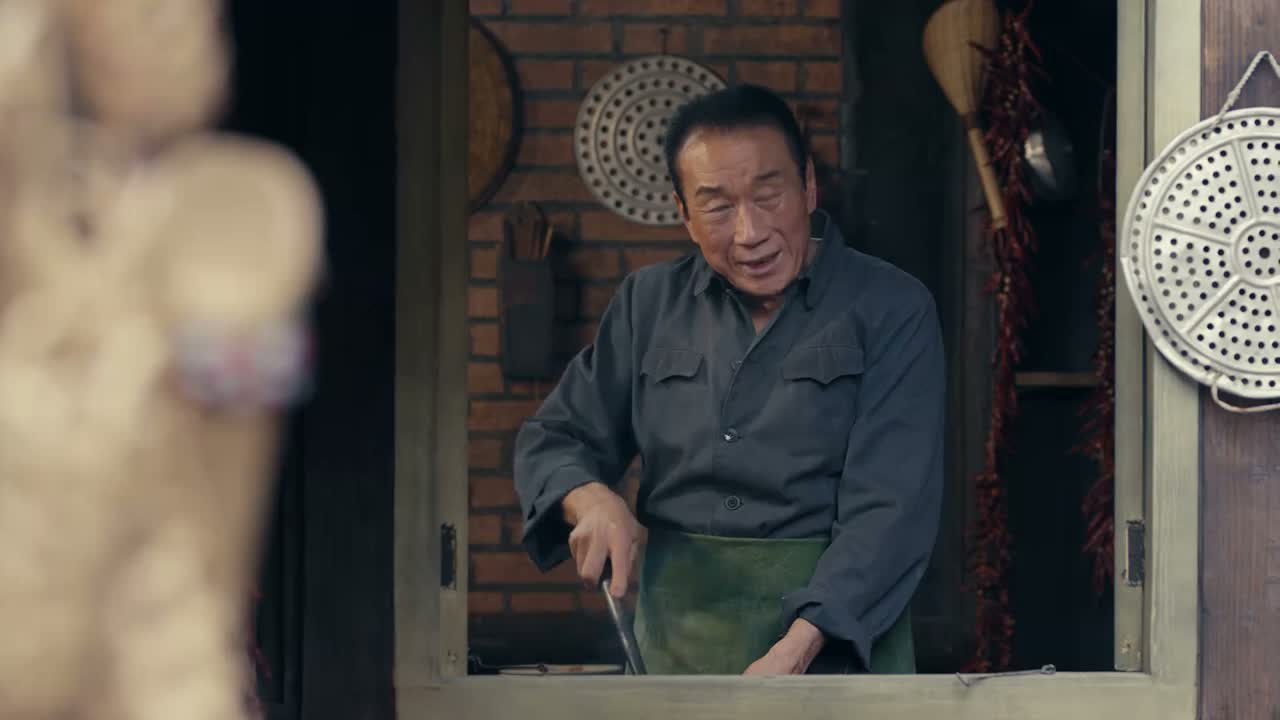
“Zhiqiang is right. Okay.”

“Did I send him in?”
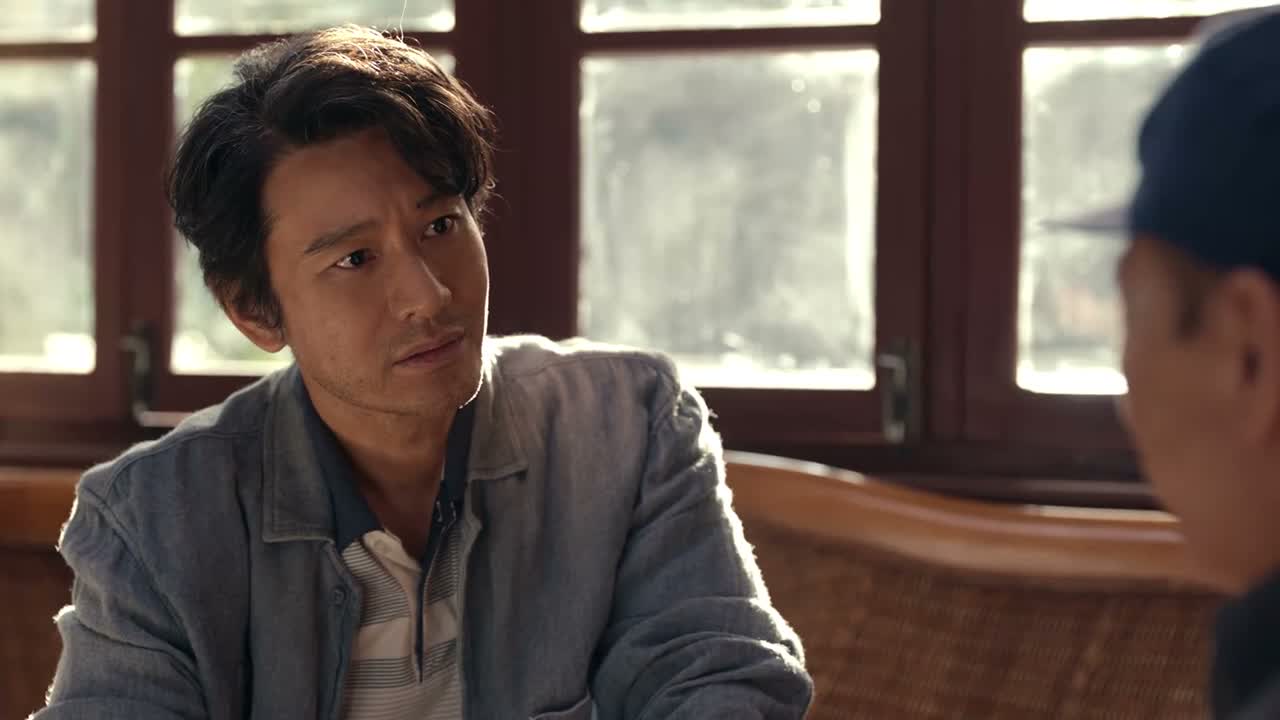
“Help him, please.”

“Zhiqiang, no offense, but you're wearing flashy sunglasses”
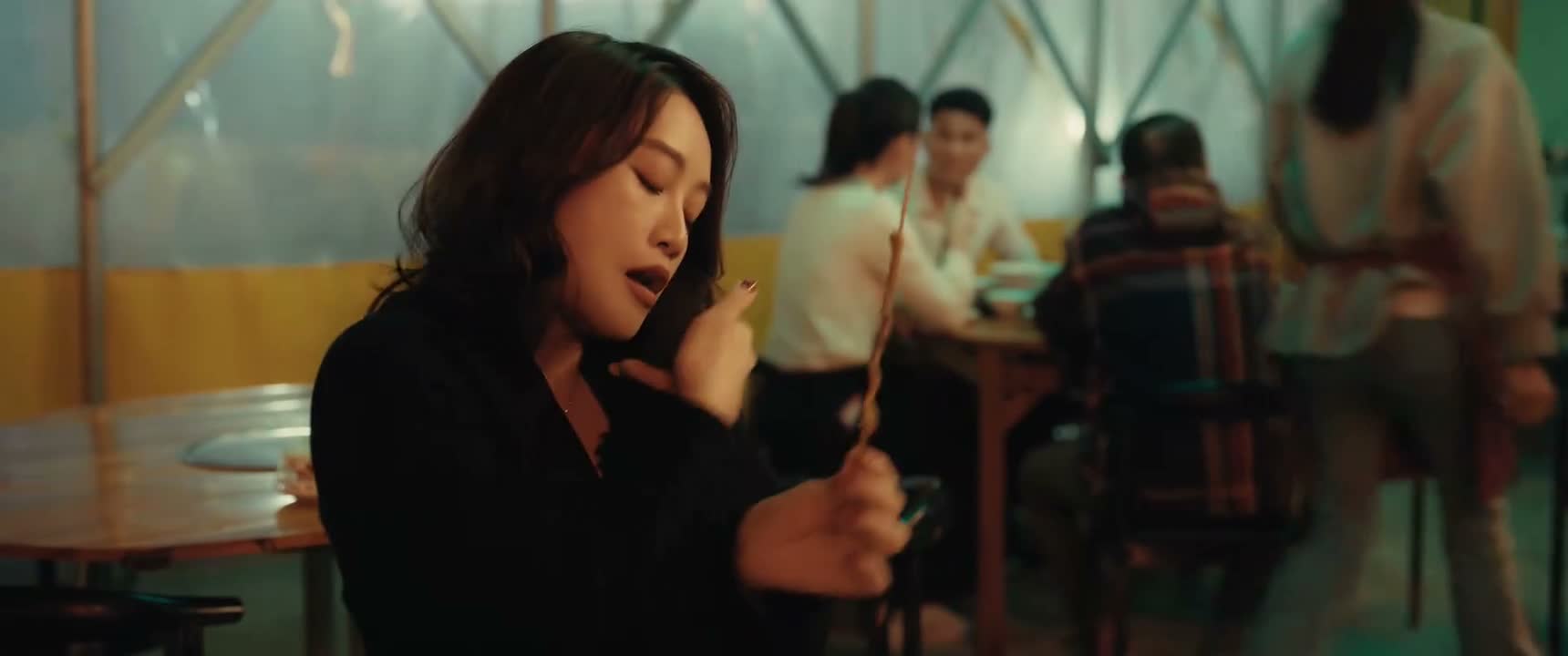
“Okay. No worries. I'll deliver them.”