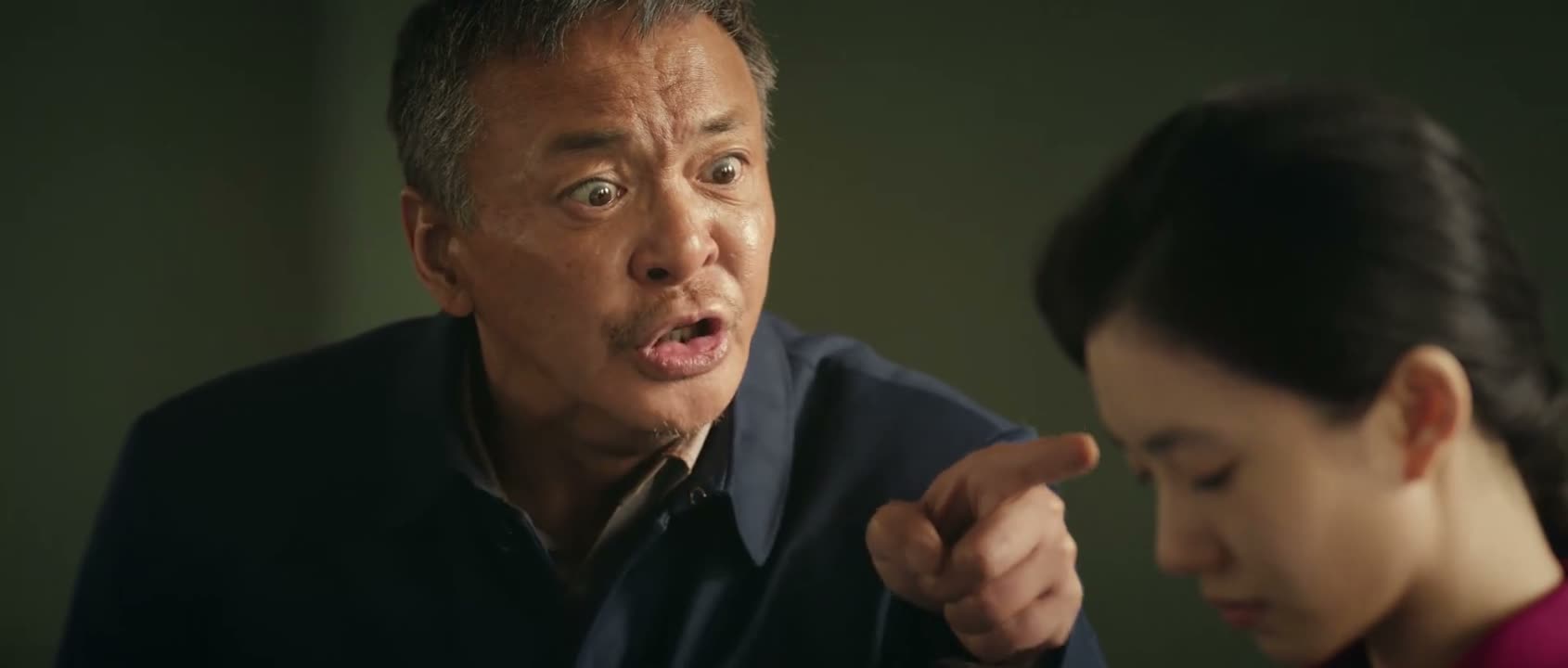
苟师 我得回去了 你要去哪儿啊
“Master Gou, I have to head back. Where are you going?”
THE DIALOGUE REEL
苟师 我得回去了 你要去哪儿啊
“Master Gou, I have to head back. Where are you going?”
我回伙房帮宋师他们收拾 回伙房干啥 不去
“I'm heading back to help Master Song clean up. No need. Stay here.”
“I need to get out of this awkward situation right now, so let me just go do my chores.”
In traditional Chinese working environments, offering to perform menial labor (such as cleaning the canteen) is a universally accepted excuse to diffuse tension and leave an awkward conversation.
LEARNING CHUNKS & PARTICLES
must head back / have to return
A very common conversational way to announce one's necessary departure.
where are you going
Direct inquiry regarding someone's destination or immediate movements.
Indicates a newly arisen situation or change of state requiring departure.
Softens the interrogative question to show attentiveness and curiosity.
VOCABULARY & EXPRESSIONS
Parallel Spoken Cinema Scenes (语义近邻切片)

“Master Gou wouldn't let me tell anyone.”

“Master Gou was their leading star,”
“Say that to Master Gou.”

“I promised Master Gou. I can't quit halfway.”

“Master Gu abandoned his family? He dumped his wife and kid?”

“When did you learn opera from Master Gou?”