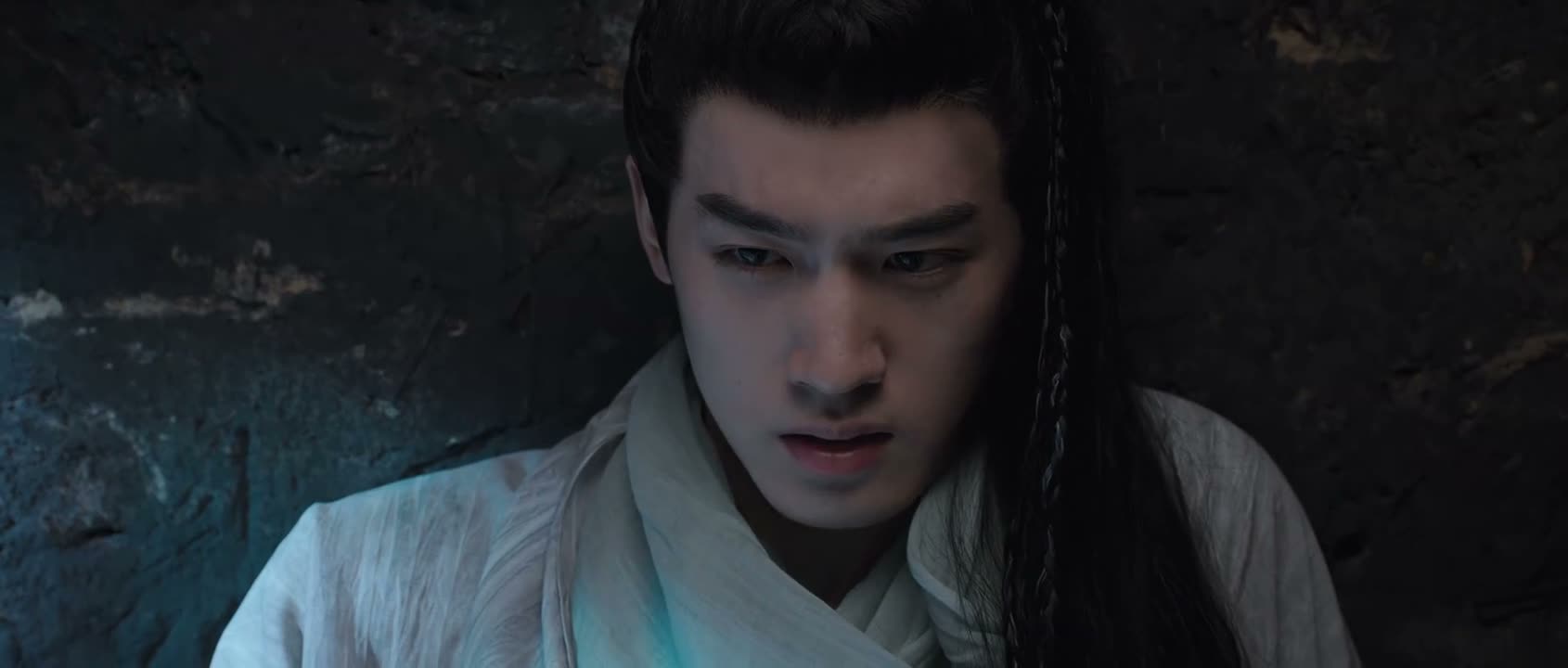
《Generation to Generation》 S1·E31 (35:12)
HSK 5
zěn me guài dào wǒ men lí jiào rén tóu shàng lái le
怎么怪到我们离教人头上来了
“Why blame us?”
《Generation to Generation》
S1·E31
TIMECODE: 35:12
·
1080P MASTER AUDIO
THE DIALOGUE REEL
[-1] PREVIOUS TURN
míng míng shì nǐ men sòng jiā rén zì jǐ gàn de shì
明明是你们宋家人自己干的事
“It was your family who did it.”
zěn me guài dào wǒ men lí jiào rén tóu shàng lái le
CURRENT FOCUS
怎么怪到 我们离教人 头上来了
“Why blame us?”
[+1] FOLLOW-UP TURN
wǒ fù qīn shì bèi yuān wǎng de
我父亲是被冤枉的
“My father was framed.”
Subtitles synced to millisecond timecode
Browse Show Clips →
Scene:
Crisis & Conflict
Function:
REJECTING BLAME
Tone:
CONFRONTATIONAL
Emotion:
INDIGNATION
WHAT THEY REALLY MEAN (PRAGMATIC SUBTEXT)
“Do not try to pin your own family's mess on us.”
💡 Cultural Insight: Sect Identity and Scapegoating
In Chinese martial narratives, heterodox sects (often labeled 'cults') are frequently blamed automatically for mysterious or evil crimes committed by orthodox families.
INTENT TAGS:
#deflection
#rejecting_blame
#protest
#counterattack
🧩
2 CHUNKS · 1 PARTICLES
LEARNING CHUNKS & PARTICLES
怪到...头上
SPOKEN CHUNK
to pin the blame on someone
A colloquial idiom used when disputing unfair accusations or scapegoating.
怎么怪到
SPOKEN CHUNK
why is the blame being directed at
A rhetorical framing expressing indignation at being accused.
Modal Particle「了」 (le)
CHANGE OF STATE
Used with 来 to mark the realization of an unwarranted or surprising shift in circumstance.
🏮
2 EXPR · 6 GRAMMAR
VOCABULARY & EXPRESSIONS
COLLOQUIAL EXPRESSIONS:
CROSS-CINEMA CORPUS BOARD · PARALLEL SCENES
EXPLORE BY SEMANTIC SIMILARITY
Parallel Spoken Cinema Scenes (语义近邻切片)
《Generation to Generation》 S1·E31 (35:12) · Authentic Cinema Dialogue Corpus