来都来了 我回哪里啊
“I'm already here. Why would I go back now?”
THE DIALOGUE REEL
“You're still thinking about messing with Ma Derong? Why don't you go back first?”
来都来了 我 回哪里 啊
“I'm already here. Why would I go back now?”
陪你了
“I'll keep you company.”
“I am not leaving you alone; I came here to be with you and I intend to stay.”
'来都来了' is one of the most culturally pervasive Chinese proverbs/idioms of modern life, universally used to rationalize pushing through an ordeal simply because the journey has already been undertaken.
LEARNING CHUNKS & PARTICLES
since I'm already here; might as well since we made the trip
A classic Chinese rationalization invoking the sunk cost fallacy to justify staying or proceeding.
where would I even go back to?
A rhetorical question highlighting that returning is meaningless or impossible.
Indicates completion of arrival in '来都来了'.
Softens the rhetorical question and expresses mild exasperation or affection.
VOCABULARY & EXPRESSIONS
Parallel Spoken Cinema Scenes (语义近邻切片)

“Where did everyone go? They are all at the traffic light ceremony.”
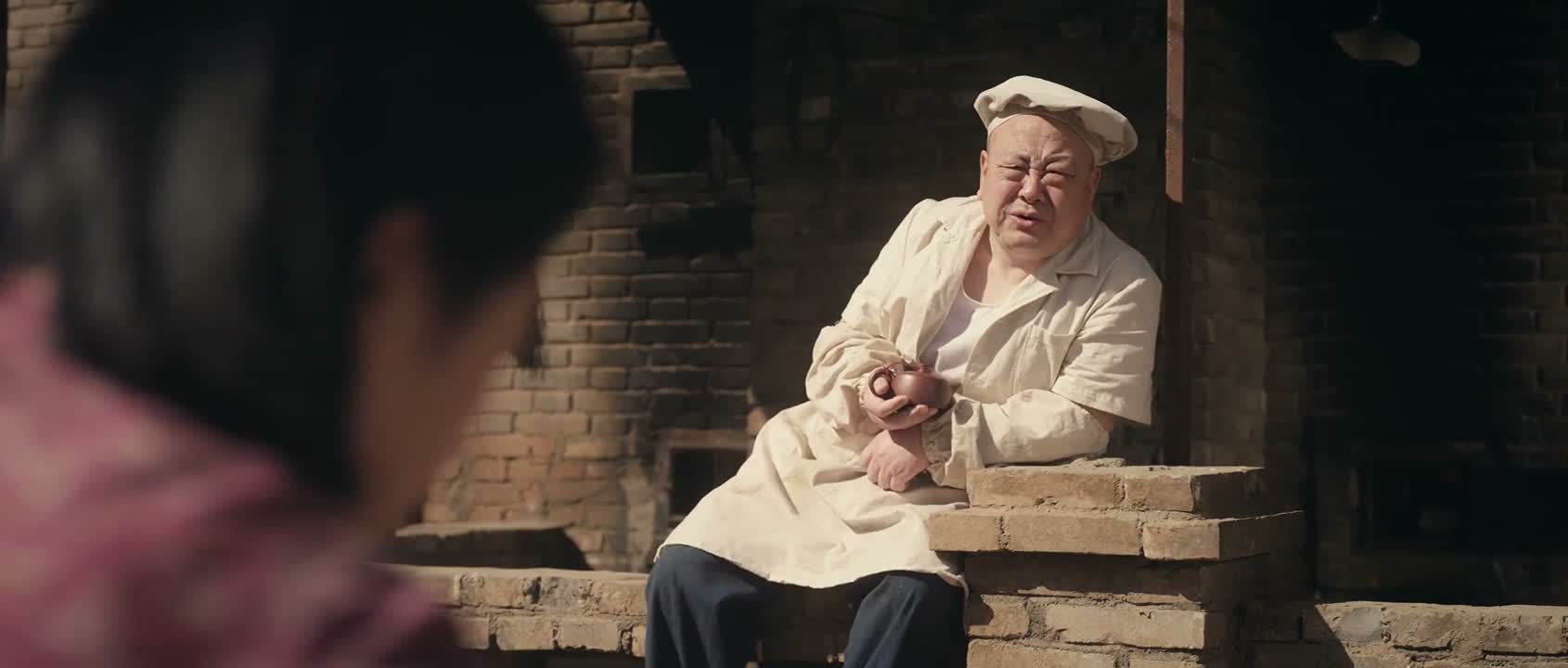
“You always have to butt in.”

“Since we're here, we can't come for nothing.”

“We're already here, so we'll go.”