好 好 别敲了 没看见卡住了吗
“Nice. Nice! Stop tapping. Can't you see it's stuck?”
THE DIALOGUE REEL
好
“Nice.”
好 好 别敲了 没看见 卡住了吗
“Nice. Nice! Stop tapping. Can't you see it's stuck?”
黄团长 你这拳够硬啊 那周仁都打不过你
“Director Huang, you hit hard. Even Zhou Ren couldn't take you.”
“Stop banging on it, you're only making things worse!”
Using '没看见……吗' is a common conversational way in spoken Mandarin to register annoyance at another person's perceived lack of situational awareness.
LEARNING CHUNKS & PARTICLES
stop knocking; stop banging
A direct imperative used to tell someone to cease a noisy tapping or knocking action immediately.
can't you see that...?
A rhetorical pattern used to express annoyance when someone overlooks an obvious physical fact.
Used with '别' to indicate cessation of an ongoing action.
Turns the clause into a rhetorical question laced with irritation.
VOCABULARY & EXPRESSIONS
Parallel Spoken Cinema Scenes (语义近邻切片)

“Okay. Be sure to stay safe. Okay.”

“- Done? - Don't touch it. It's not dry yet.”

“Nice!”
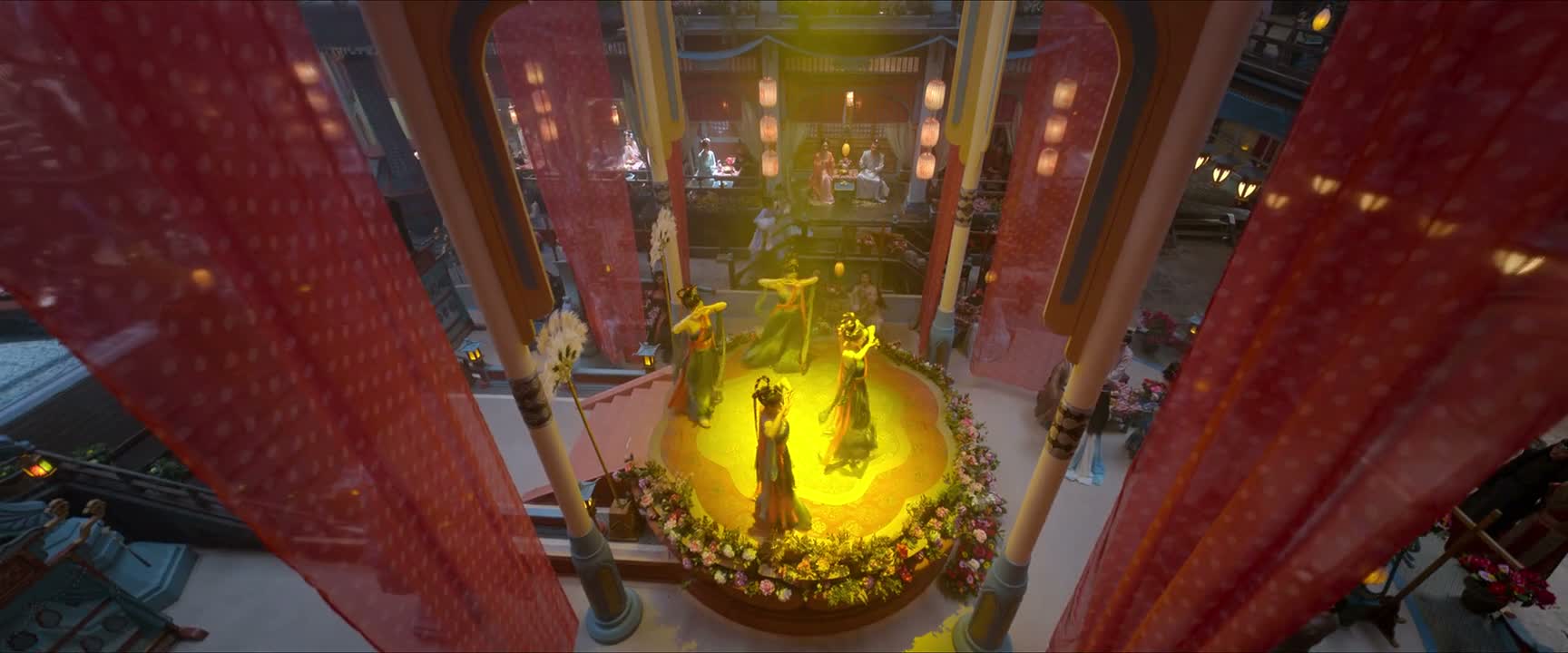
“-Great! Great! -Great! Great!”
“Nice!”
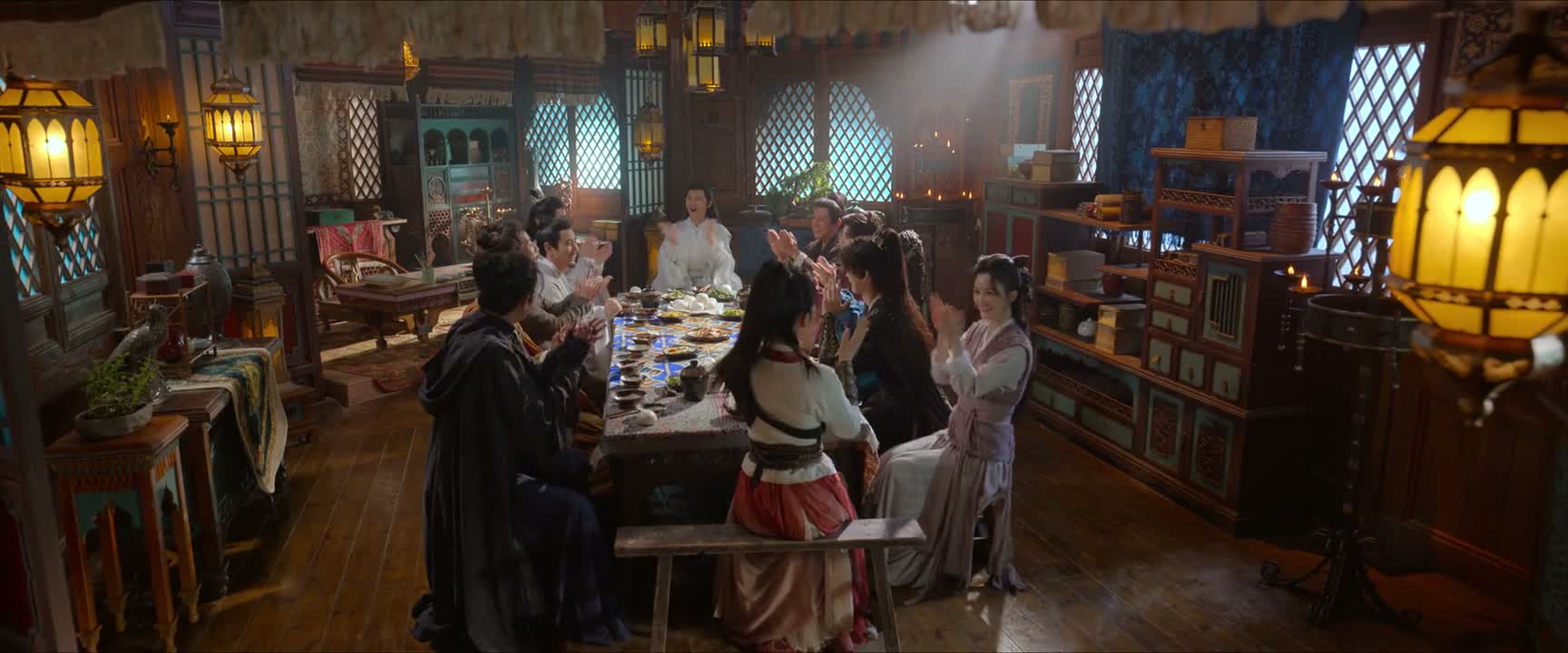
“-Bravo! -Bravo!”