《The Lead》 S1·E14 (18:37)
HSK 3
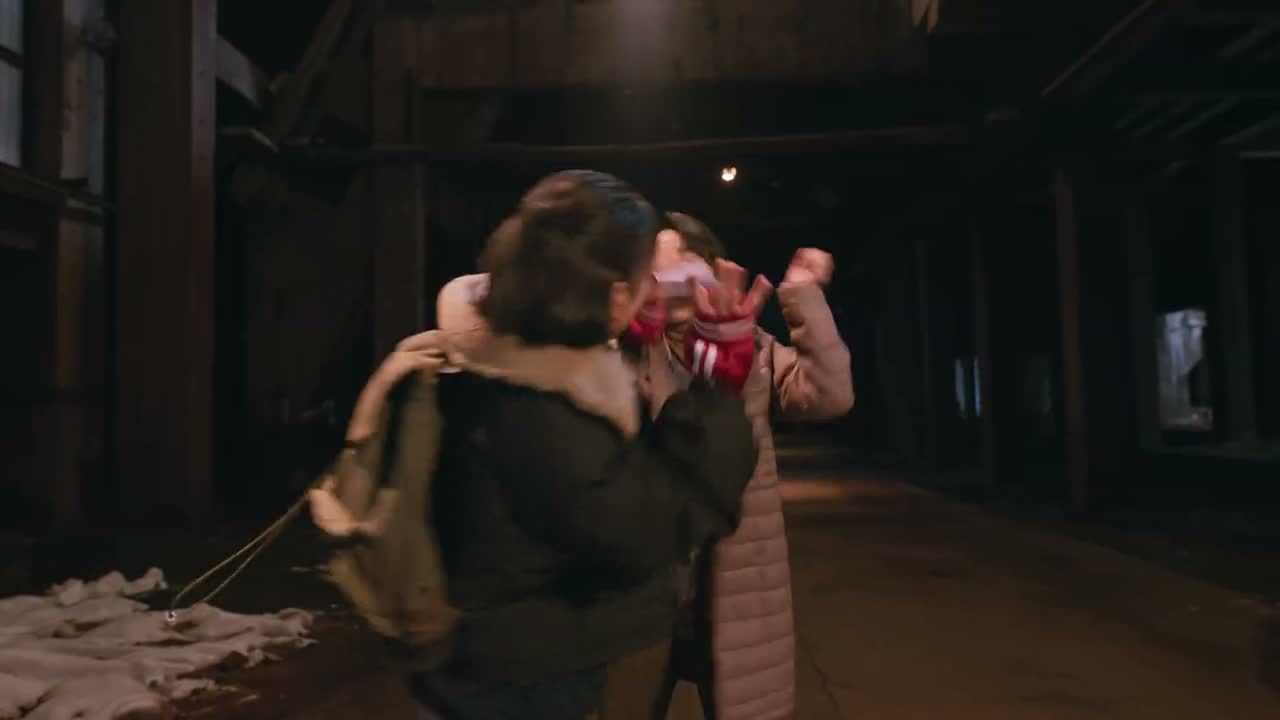
nǐ dǎ wǒ gàn shá wǒ zhè shì wèi nǐ hǎo
你打我干啥 我这是为你好
“Why did you hit me? For your own good.”
《The Lead》
S1·E14
TIMECODE: 18:37
·
1080P MASTER AUDIO
THE DIALOGUE REEL
[-1] PREVIOUS TURN
kāo zi jiā jǐn yāo shǐ jìn tuǐ bēng zhí
尻子夹紧 腰使劲 腿绷直
“Tighten up and use your core.”
nǐ dǎ wǒ gàn shá wǒ zhè shì wèi nǐ hǎo
CURRENT FOCUS
你 打我 干啥 我这是 为你好
“Why did you hit me? For your own good.”
[+1] FOLLOW-UP TURN
bù yòng nǐ guǎn
不用你管
“Leave me alone!”
Subtitles synced to millisecond timecode
Browse Show Clips →
Scene:
Daily Life
Function:
DEFENSIVE JUSTIFICATION
Tone:
DEFENSIVE AND AGGRIEVED
Emotion:
GRIEVANCE
WHAT THEY REALLY MEAN (PRAGMATIC SUBTEXT)
“Stop attacking me, I'm trying to help you even if it hurts.”
💡 Cultural Insight: Benevolent Discipline (Wei Ni Hao)
A deeply rooted cultural trope where harsh treatment, strict mentoring, or invasive guidance is morally legitimized under the premise of genuine care for the recipient's future.
INTENT TAGS:
#deflection
#justifying
#moral_superiority
#protesting
🧩
2 CHUNKS · 0 PARTICLES
LEARNING CHUNKS & PARTICLES
为你好
SPOKEN CHUNK
for your own good / in your best interest
Ubiquitously used by parents, mentors, or peers to justify harsh discipline, unwanted interference, or strict guidance.
干啥
SPOKEN CHUNK
why; what for; doing what
A colloquial northern Chinese alternative to '干什么' or '为什么', conveying a blunt or informal tone.
🏮
3 EXPR · 0 GRAMMAR
VOCABULARY & EXPRESSIONS
COLLOQUIAL EXPRESSIONS:
CROSS-CINEMA CORPUS BOARD · PARALLEL SCENES
EXPLORE BY SEMANTIC SIMILARITY
Parallel Spoken Cinema Scenes (语义近邻切片)

《The Lead》 S1·E14 (18:37) · Authentic Cinema Dialogue Corpus