你干吗 你打我干吗呀
“What are you doing? Why are you hitting me?”
THE DIALOGUE REEL
东南亚有个
“In Southeast Asia...”
你干吗 你 打我 干吗呀
“What are you doing? Why are you hitting me?”
别 别
“Stop!”
Direct spoken expression in this communicative setting.
In Chinese heated arguments, repeating '干吗' (what for / why) serves not to get an actual informational answer, but to vehemently register emotional outrage against an unexpected violation of personal boundaries.
LEARNING CHUNKS & PARTICLES
What are you doing? / Why are you doing that?
A very common colloquial question used to question or object to someone's sudden or annoying actions.
Why are you hitting me?
Used to protest physical violence or playful swatting, placing '干吗' at the end to mean 'for what reason'.
Softens the acoustic harshness while heightening the sense of bewilderment and protest.
VOCABULARY & EXPRESSIONS
Parallel Spoken Cinema Scenes (语义近邻切片)

“Why did he add you? To show off. Why else?”
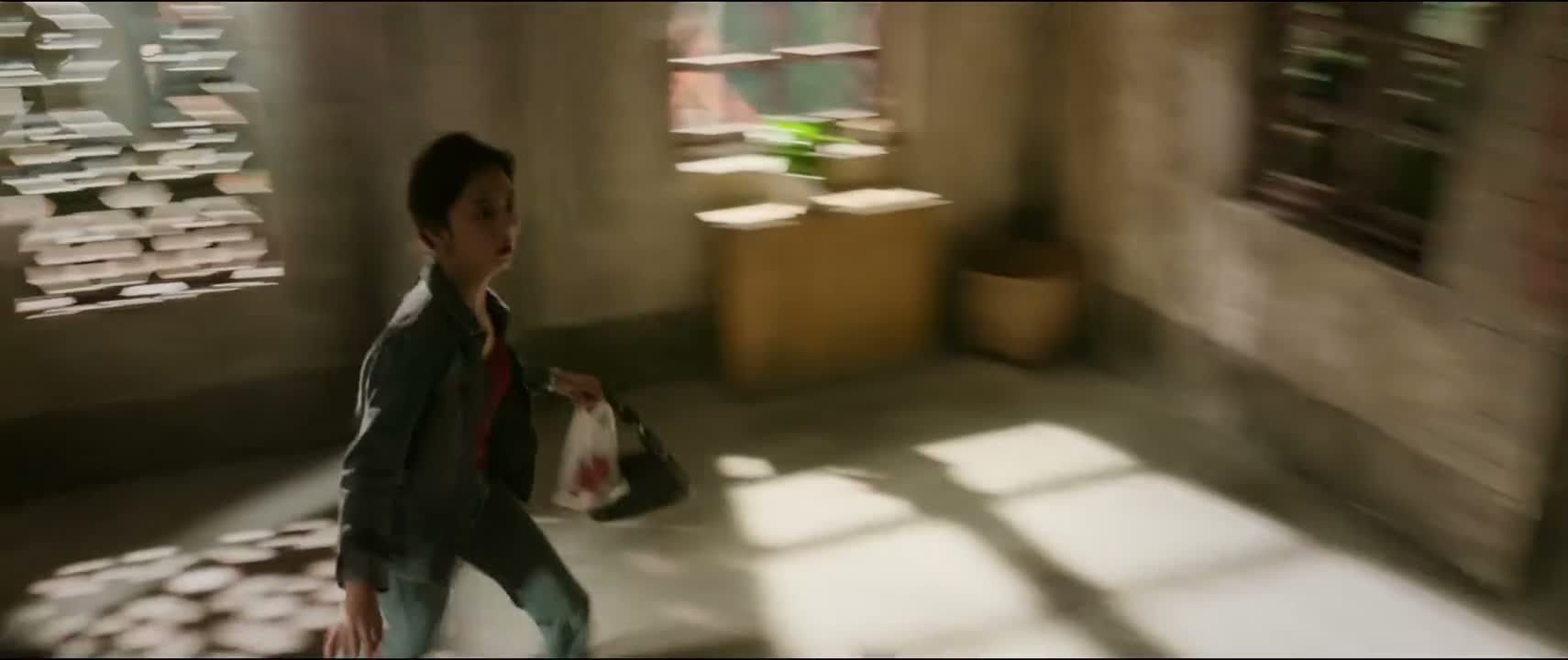
“Are you crazy! You scratched me?”
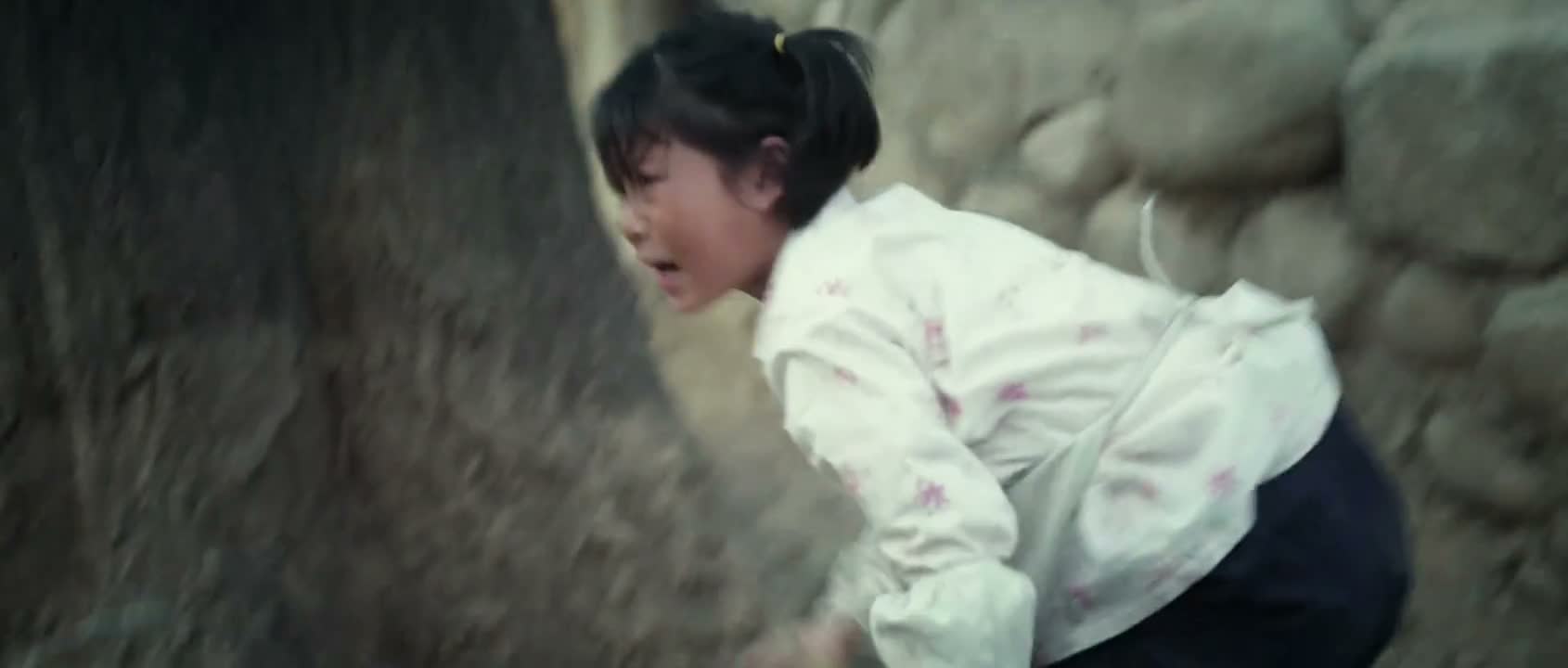
“Why did you hit me? For your own good.”

“What are you doing? What are you doing? What are you doing?”