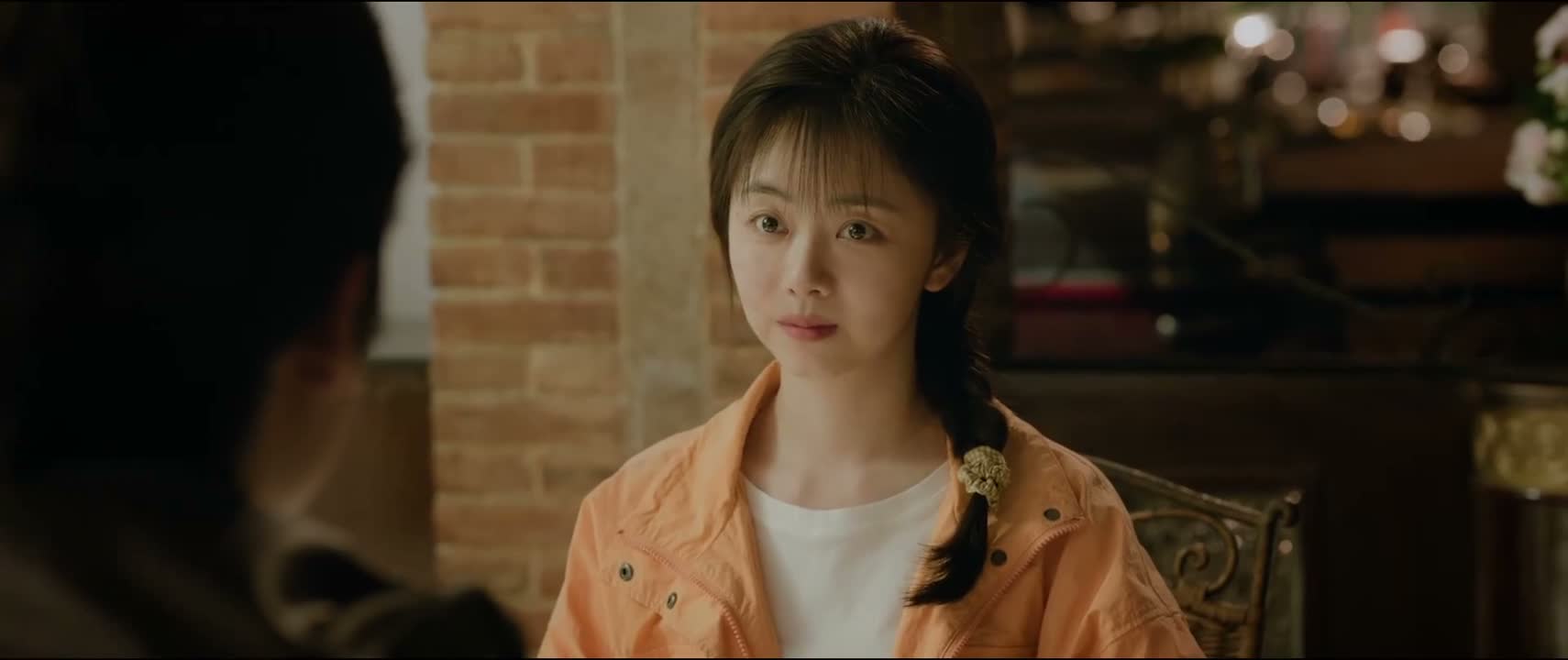
《The Dream Maker》 S1·E6 (25:50)
HSK 5
suǒ yǐ zhè ge shì bù néng guài wǒ men nà guài shuí shì ba
所以这个事不能怪我们 那怪谁 是吧
“So it's not our fault. - Whose is it? - Right?”
《The Dream Maker》
S1·E6
TIMECODE: 25:50
·
1080P MASTER AUDIO
THE DIALOGUE REEL
[-1] PREVIOUS TURN
shì ba
是吧
“Ms. Li is absolutely right. Right?”
suǒ yǐ zhè ge shì bù néng guài wǒ men nà guài shuí shì ba
CURRENT FOCUS
所以 这个 事 不能怪我们 那怪谁 是吧
“So it's not our fault. - Whose is it? - Right?”
[+1] FOLLOW-UP TURN
nǐ gāng gāng shuō de shì jì huà
你刚刚说的是计划
“You said "plan",”
Subtitles synced to millisecond timecode
Browse Show Clips →
Scene:
Workplace
Function:
DEFLECTING BLAME
Tone:
ARGUMENTATIVE
Emotion:
DEFENSIVENESS
WHAT THEY REALLY MEAN (PRAGMATIC SUBTEXT)
“Don't pin this failure on us; someone else screwed up.”
💡 Cultural Insight: Tuiwei (Passing the Buck)
In Chinese bureaucratic or workplace culture, clearly defining boundaries of responsibility is crucial to avoid bearing blame for collective oversights.
INTENT TAGS:
#blame_shifting
#justification
#defensiveness
#seeking_validation
🧩
2 CHUNKS · 1 PARTICLES
LEARNING CHUNKS & PARTICLES
不能怪我们
SPOKEN CHUNK
cannot blame us
Essential phrase for denying liability or warding off criticism in professional and personal contexts.
那怪谁
SPOKEN CHUNK
then who is to blame?
A sharp rhetorical question used to demand who should be held accountable if not the obvious suspect.
Modal Particle「吧」 (ba)
CHANGE OF STATE
Used at the end to prompt agreement from the listener and close the argument definitively.
🏮
4 EXPR · 1 GRAMMAR
VOCABULARY & EXPRESSIONS
COLLOQUIAL EXPRESSIONS:
GRAMMAR BLUEPRINTS:
CROSS-CINEMA CORPUS BOARD · PARALLEL SCENES
EXPLORE BY SEMANTIC SIMILARITY
Parallel Spoken Cinema Scenes (语义近邻切片)

《The Dream Maker》 S1·E6 (25:50) · Authentic Cinema Dialogue Corpus