湿拖把擦上几年不也得变脏吗 到时候灰不拉叽的
“they'll get dirty after a few years of wet mopping anyway.”
THE DIALOGUE REEL
我为什么要用黑色的勾缝剂 看着不脏吗 那再白
“on my pristine white floor tiles? Doesn't it just look filthy? Even if they're white now,”
湿拖把擦上几年 不也 得变脏 吗 到时候 灰不拉叽 的
“they'll get dirty after a few years of wet mopping anyway.”
还不如纯黑的好看呢 年轻人 咱就别为这小事
“Pure black would look much better. Look, young man. Let's not keep bickering”
“White grout looks awful after a while, so stop insisting on it.”
In Chinese household maintenance, durability and stain resistance often trump initial aesthetics, especially when dealing with tile flooring.
LEARNING CHUNKS & PARTICLES
won't it also inevitably / wouldn't it have to
Used in rhetorical questions to emphasize an unavoidable negative outcome.
drab gray / dirty grayish
A colloquial northern Chinese adjective suffix describing an unpleasant, dingy grayish color.
Marks the rhetorical question, demanding agreement from the listener.
Functions as a state-marking particle at the end of the descriptive phrase.
VOCABULARY & EXPRESSIONS
Parallel Spoken Cinema Scenes (语义近邻切片)

“they'll get dirty after a few years of wet mopping anyway.”
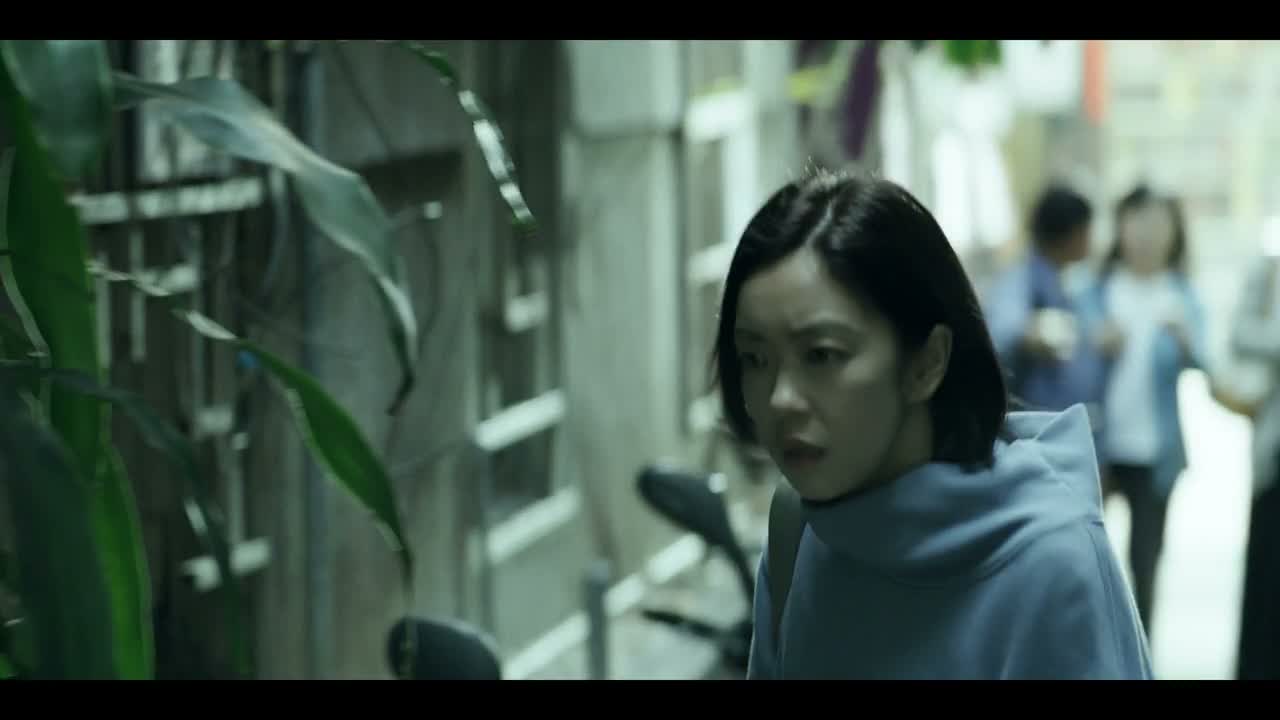
“I can't believe they did this. For what? Excuse me. Do you know the person who lives here?”

“Once it's dirty, it's hard to fix!”

“They'll just get dirty again anyway.”
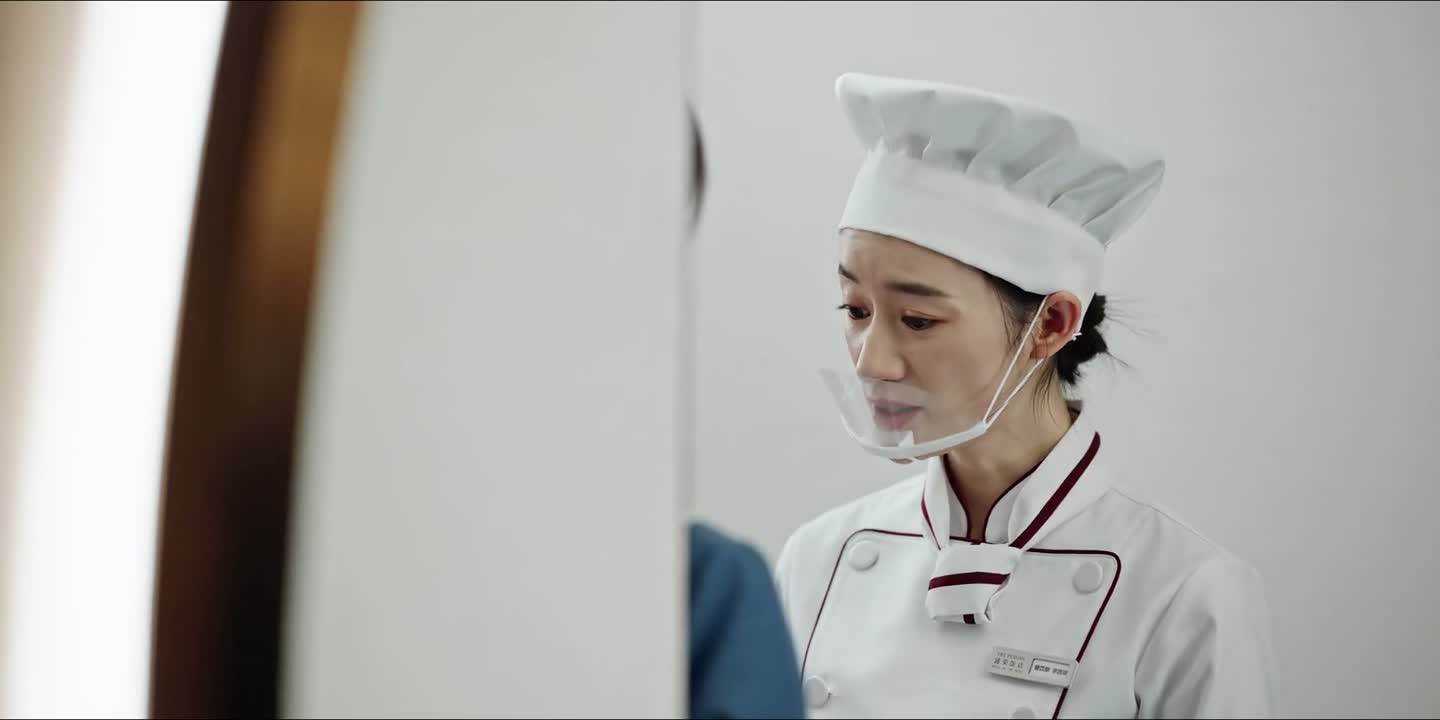
“But you shouldn't have to work as a cleaner.”

“But the food outside is not clean.”