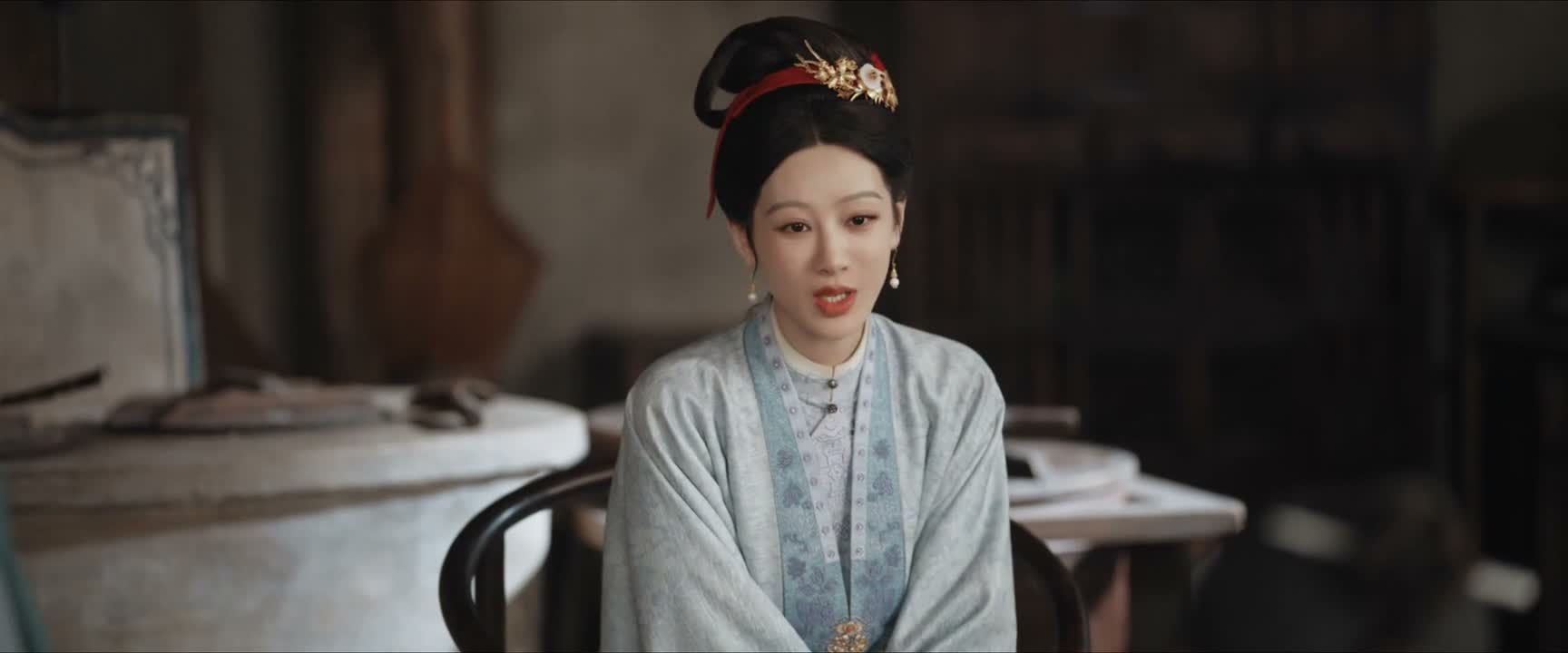
都到这个时候了 我还能说
“At this point, what else can I say?”
THE DIALOGUE REEL
越越说不然呢
“Yue said, what choice do I have?”
都到这个时候了 我 还能 说
“At this point, what else can I say?”
别说了
“That's enough.”
“It's too late to fix anything, so nothing I say matters anymore.”
Ending arguments with rhetorical questions about the futility of talking reflects a cultural tendency to acknowledge deadlock rather than continue open confrontation.
LEARNING CHUNKS & PARTICLES
now that things have come to this point
Used to introduce an acknowledgment of an irreversible, critical, or late-stage situation.
what more can I say / what else can I say
A rhetorical phrase expressing powerlessness or having run out of justifications.
Marks the emergence of an irreversible, critical new situation ('now that it's come to this').
VOCABULARY & EXPRESSIONS
Parallel Spoken Cinema Scenes (语义近邻切片)

“At this point, what else can I say? That's enough.”

“I can't say yet. You'll know when the time comes.”

“At a time like this, can you stop worrying about me?”

“By that time, even if she knows, what can she do? Tell me.”
“At this very moment,”

“I-I'm not. I'm not. Still playing games at this point?”