生了孩子以后再讨论分手吗
“Should they wait until they have children before talking about breaking up?”
THE DIALOGUE REEL
难不成要等他们
“Should they wait until they have children before talking about breaking up?”
生 了 孩子 以后再 讨论分手 吗
“Should they wait until they have children before talking about breaking up?”
我这当事人的情况她不一样
“My client's situation is different.”
“Are you seriously suggesting they wait until it's way too late to end things?”
In contemporary Chinese urban discussions, having a child before marriage or during separation complicates legal assets and custody, making timing a critical topic.
LEARNING CHUNKS & PARTICLES
after having a child
A common temporal clause structure meaning 'after doing something'.
discuss breaking up
Used when partners talk about ending a romantic relationship.
Marks a rhetorical question that expresses disbelief or challenge.
VOCABULARY & EXPRESSIONS
Parallel Spoken Cinema Scenes (语义近邻切片)

“Are we supposed to wait until they have a child to talk about breaking up?”

“If the kids aren't split up”

“Since we can't get divorced right now, we'll talk about it after the children are born.”
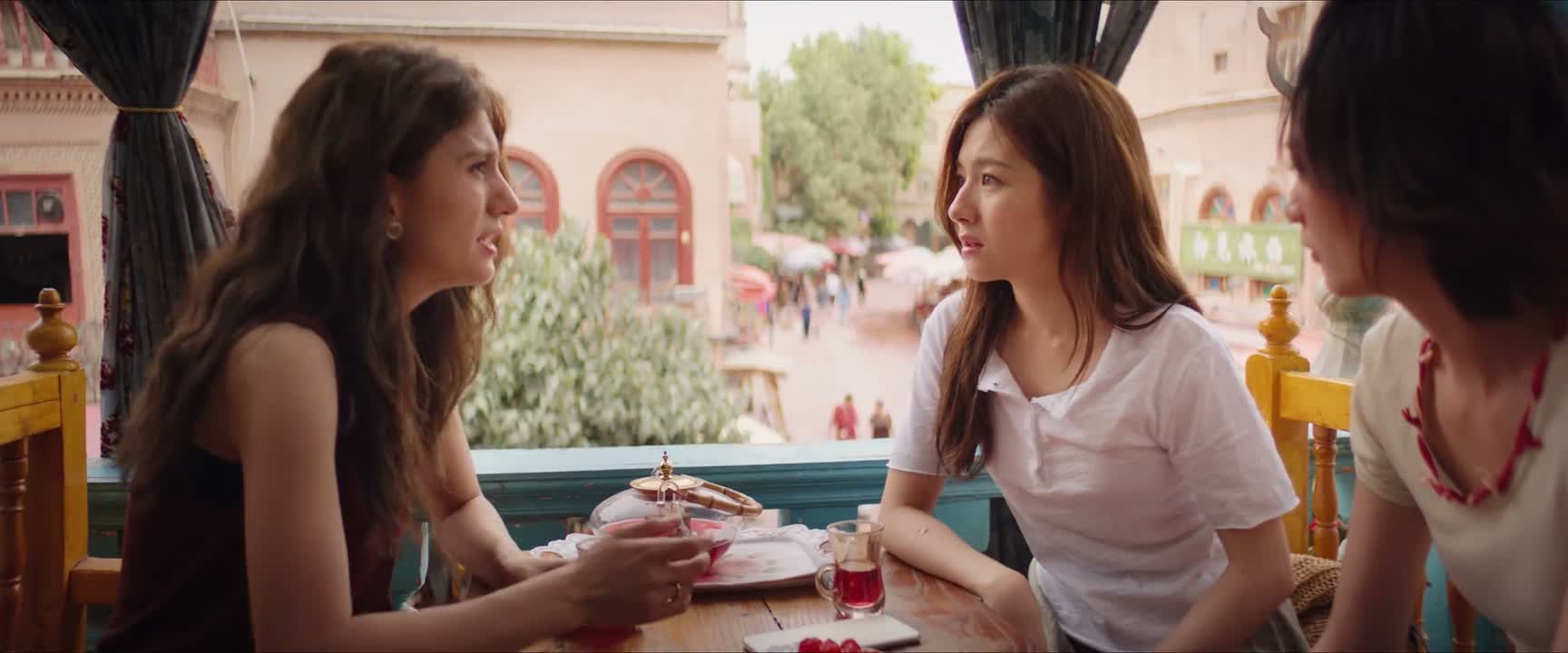
“getting married is for having kids.”

“You should tell your family about the breakup soon.”

“My client truly doesn't want to separate.”