MC
MandarinClips Cinema Corpus
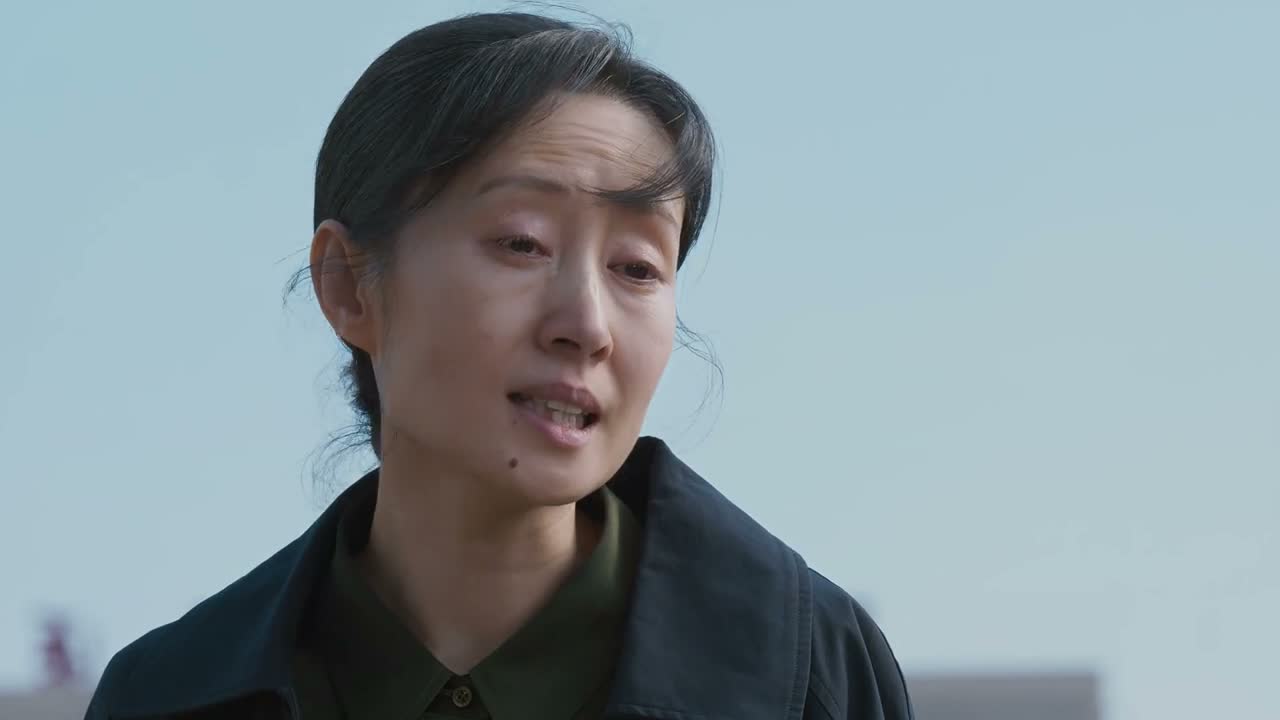
《A Splendid Match》 S1·E30 (00:29) HSK 5
nà jiù bié guài wǒ ràng tā cháng yī cháng shī qù zhì ài

那就别怪我 让他尝一尝失去挚爱

“so don't blame me for making him taste the agony”

《A Splendid Match》 S1·E30
TIMECODE: 00:29 · 1080P MASTER AUDIO

THE DIALOGUE REEL

1+1+1 SPOKEN CONTINUITY
[-1] PREVIOUS TURN néng hěn xīn duàn le zì jǐ qīn dì di de qián chéng

能狠心断了 自己亲弟弟的前程

“He was cruel enough to ruin his own brother's future,”

nà jiù bié guài wǒ ràng tā cháng yī cháng shī qù zhì ài CURRENT FOCUS

那就 别怪我 让他 尝一尝 失去 挚爱

“so don't blame me for making him taste the agony”

[+1] FOLLOW-UP TURN tòng bù yù shēng de zī wèi ér le

“of losing his true love.”

Subtitles synced to millisecond timecode Browse Show Clips →
Scene: Crisis & Conflict
Function: VOWING REVENGE
Tone: VENGEFUL
Emotion: HATRED
WHAT THEY REALLY MEAN (PRAGMATIC SUBTEXT)

Direct spoken expression in this communicative setting.

💡 Cultural Insight: Justified Retaliation (Bie Guai Wo)

Prefacing ruthless retribution with 'don't blame me' shifts moral blame entirely onto the target, framing vengeance as an inevitable consequence of their prior cruelty.

INTENT TAGS: #retaliation #threatening #revenge #inflicting_pain
🧩

LEARNING CHUNKS & PARTICLES

3 CHUNKS · 0 PARTICLES
别怪我 SPOKEN CHUNK

don't blame me

A frequent conversational formula used to justify ruthless or extreme retaliatory measures as a fair reaction.

尝一尝 SPOKEN CHUNK

taste / experience for oneself

Often used metaphorically with suffering, hardship, or defeat to mean 'get a taste of'.

失去挚爱 SPOKEN CHUNK

losing one's true love

A formal, emotionally potent four-character collocation referring to the death or loss of the person one loves most.
🏮

VOCABULARY & EXPRESSIONS

4 EXPR · 0 GRAMMAR
CROSS-CINEMA CORPUS BOARD · PARALLEL SCENES

Parallel Spoken Cinema Scenes (语义近邻切片)

EXPLORE BY SEMANTIC SIMILARITY
《A Splendid Match》 S1·E30 (00:29) · Authentic Cinema Dialogue Corpus