那就别怪我 勿谓言之不预了 三爷
“then don't blame me for not warning them. Third Master.”
THE DIALOGUE REEL
“if there are still any blind fools,”
那就 别怪我 勿谓言之不预 了 三爷
“then don't blame me for not warning them. Third Master.”
我去去就来啊
“I'll be right back.”
“I gave everyone fair warning, so do not complain when I crush anyone who steps out of line.”
In Chinese culture, offering a clear verbal warning establishes moral legitimacy, shifting full blame onto the transgressor if punitive action follows.
LEARNING CHUNKS & PARTICLES
don't blame me
Commonly used to absolve oneself of responsibility before taking tough or unpleasant actions.
do not say you were not forewarned
A formal idiom derived from classical Chinese, used as an ultimate diplomatic or formal threat before retaliation.
Marks an imminent change of state and adds finality to the ultimatum.
VOCABULARY & EXPRESSIONS
Parallel Spoken Cinema Scenes (语义近邻切片)
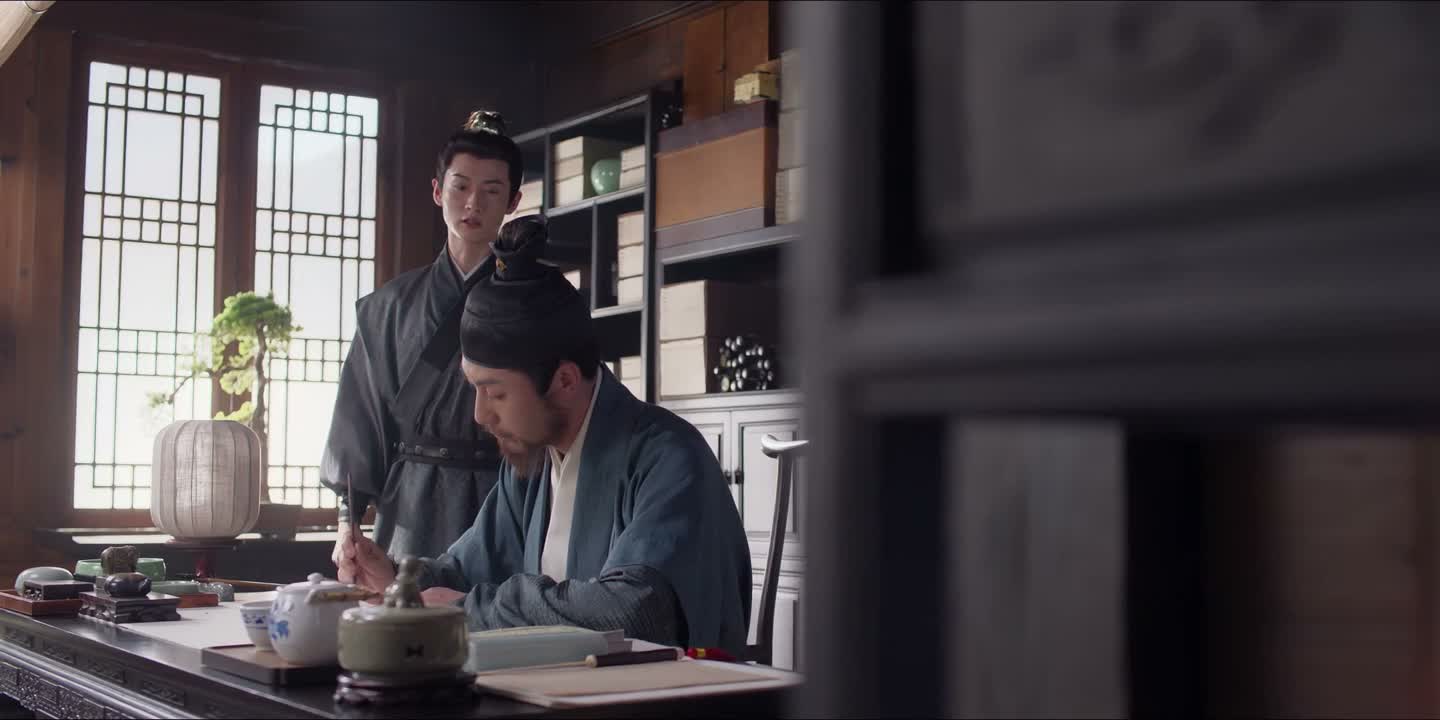
“Why do you think Third Master is doing this?”

“Greetings, Mr. Chen. Rise and speak.”
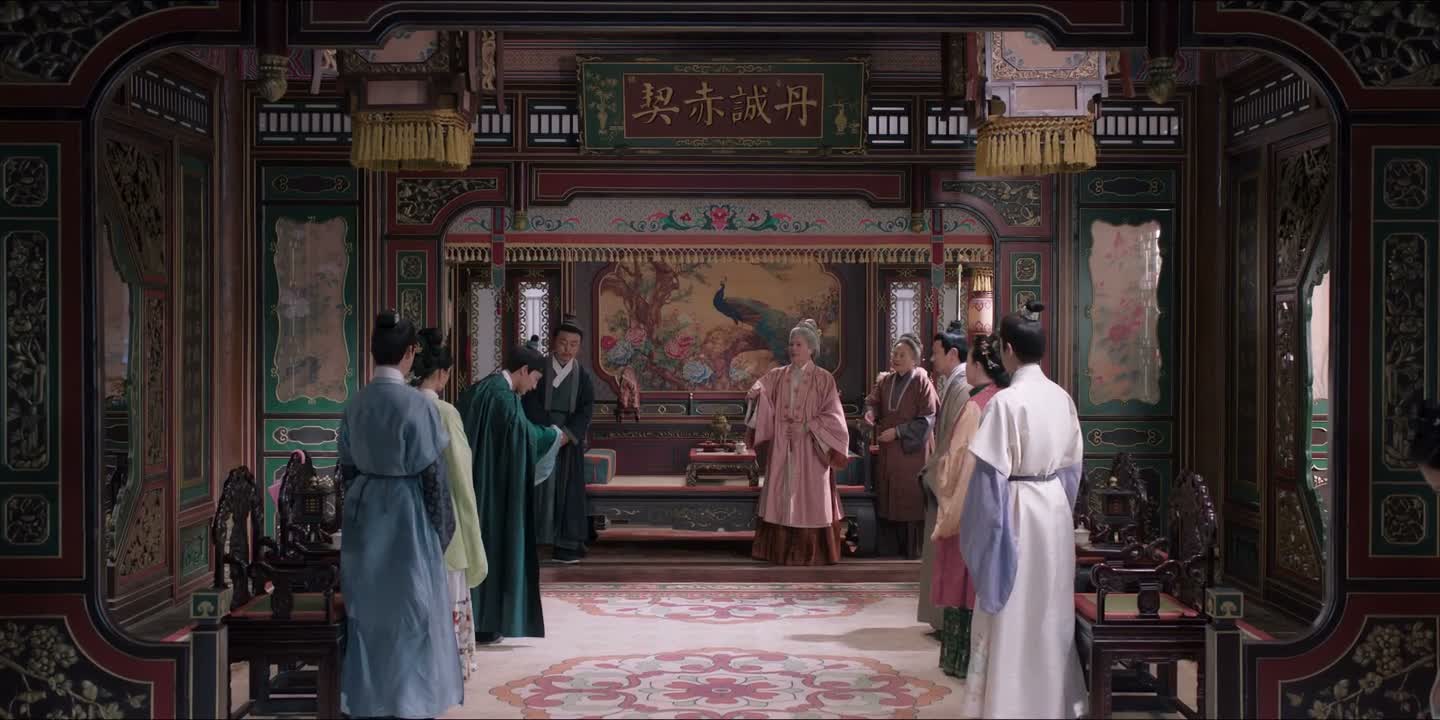
“[Bound by Honesty] Third Master, please absolutely do not say that.”
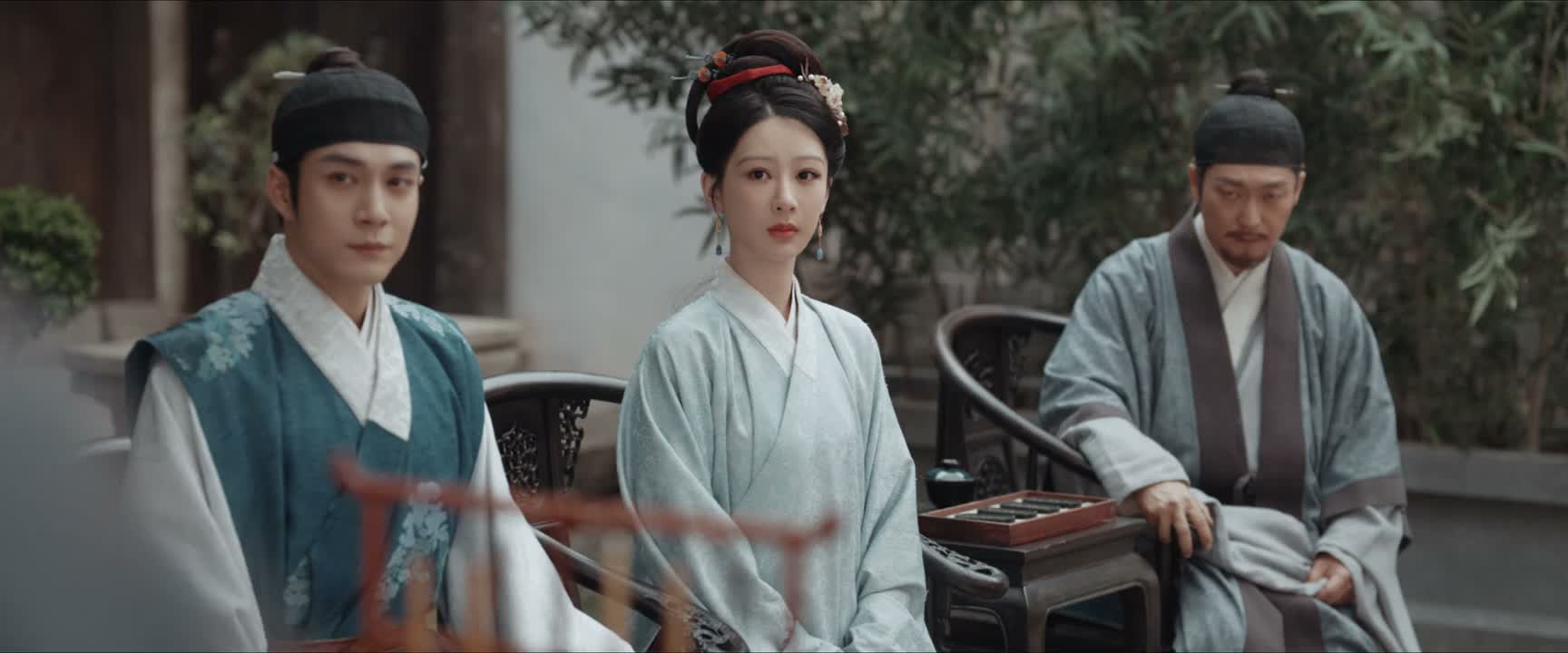
“is indescribable. Third Master Chen,”

“I ask you to extend your forgiveness,”

“Why do you have to do this? Third Master clearly wants to see you.”