你身手再好 也不能把七八个人 都打跑吧
“no matter how skilled you are, you couldn't have beaten off 7 or 8 men.”
THE DIALOGUE REEL
师妹
“Zhenzhu,”
你 身手再好 也不能 把七八个人 都打跑吧
“no matter how skilled you are, you couldn't have beaten off 7 or 8 men.”
珍珠
“Zhenzhu,”
“Stop exaggerating or acting reckless; no one can realistically fight off that many people alone.”
Chinese speakers often use concessive structures like '再...也...' to inject pragmatic realism into romanticized or exaggerated accounts of bravery.
LEARNING CHUNKS & PARTICLES
no matter how good one's physical/martial skills are
Used with 也 to set up a concessive clause indicating that extraordinary ability still has realistic limits.
to beat off / scare away by fighting
A resultative complement construction commonly used to describe chasing someone away through physical force.
Marks a rhetorical presumption, indicating that the speaker strongly doubts the feasibility of the act.
VOCABULARY & EXPRESSIONS
Parallel Spoken Cinema Scenes (语义近邻切片)

“Seven or eight of them ganged up on me, trying to kill me!”

“even someone highly skilled would need at least two ke to make it.”

“With your skills, you shouldn't be this badly hurt.”
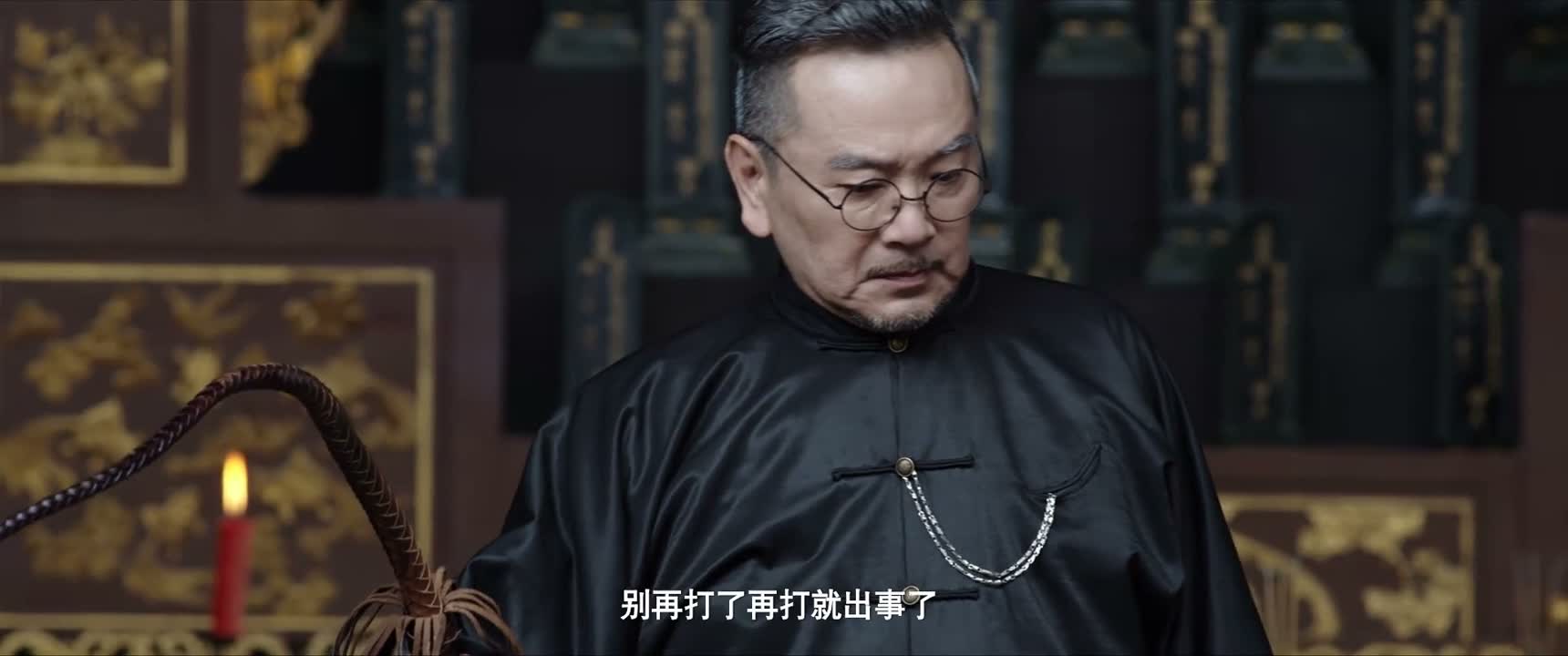
“Stop hitting him! Any more and there'll be trouble!”

“You're not bad. Quite nimble.”

“If I still can't catch the culprit for you, I'd be utterly useless.”