恨你 我们家景祺能活过来吗
“If I hate you, will Jingqi come back to life?”
THE DIALOGUE REEL
恨你管用吗
“That's useless.”
恨你 我们家景祺 能活过来吗
“If I hate you, will Jingqi come back to life?”
“Hating you won't bring him back, but nothing short of your death could ever make up for this.”
In Chinese emotional discourse, asking whether anger or tears can revive the dead reflects fatalistic despair before breaking into uncontrollable rage.
LEARNING CHUNKS & PARTICLES
to come back to life / to revive
Often used in rhetorical questions to emphasize the finality and irreversibility of death or permanent ruin.
Marks a rhetorical question that carries a forceful negative answer.
VOCABULARY & EXPRESSIONS
Parallel Spoken Cinema Scenes (语义近邻切片)

“For trying to steal my dowry”
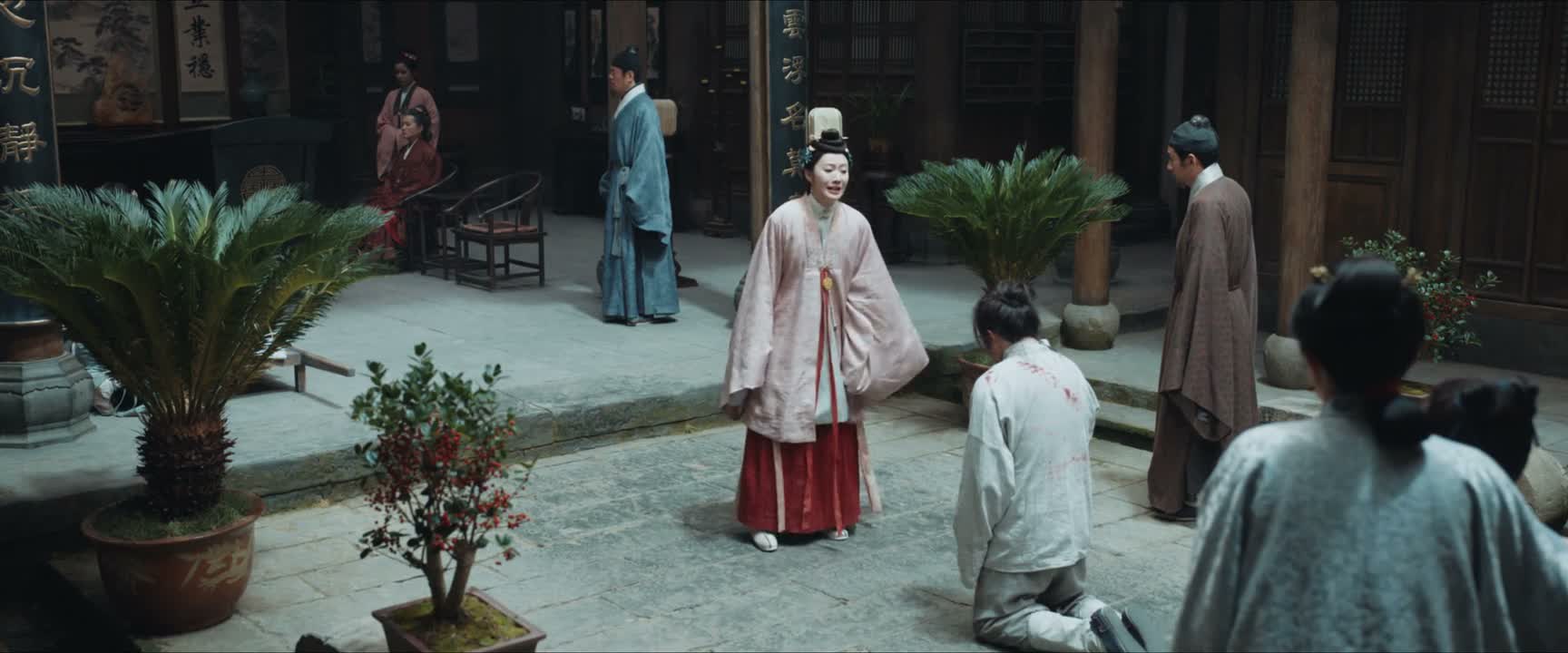
“You are the reason for Jingqi's death!”

“I hate you!”
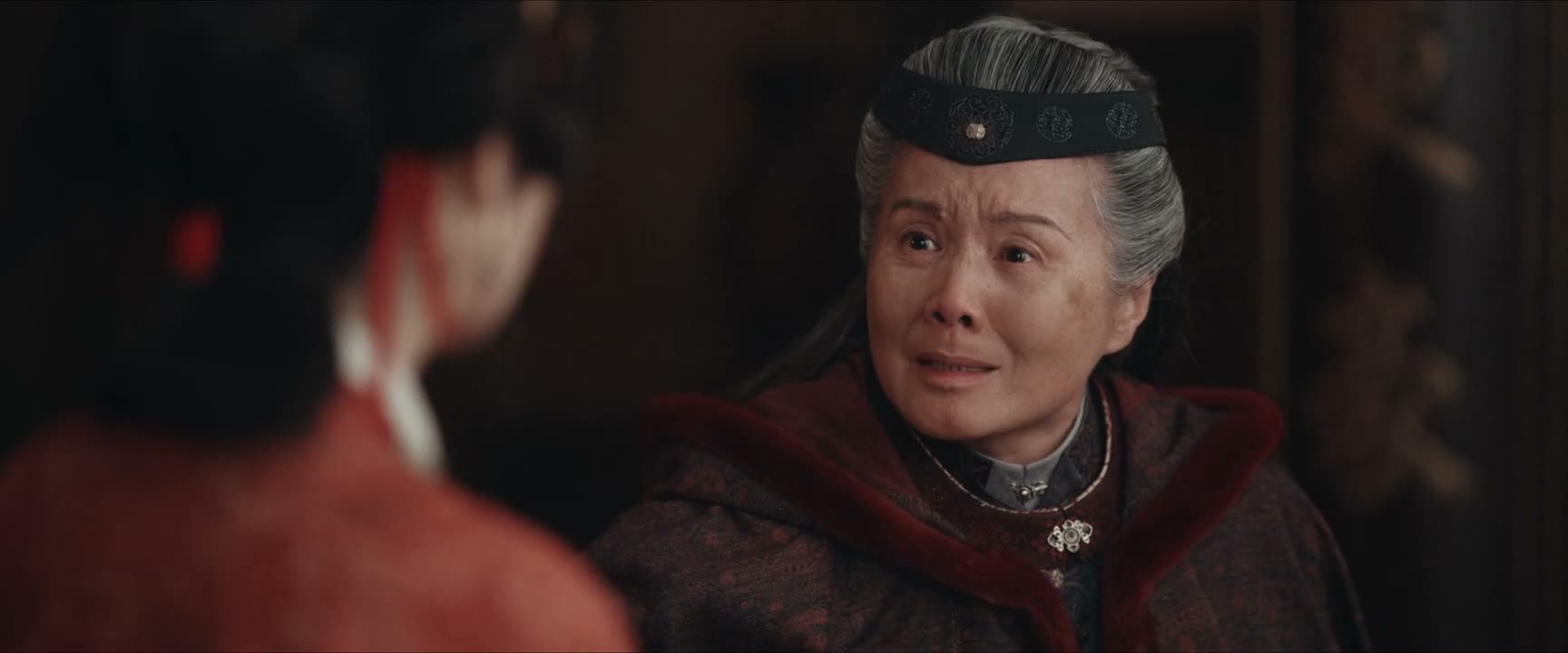
“sorry for you.”

“Why be scared of your uncle? I just have a bad feeling,”
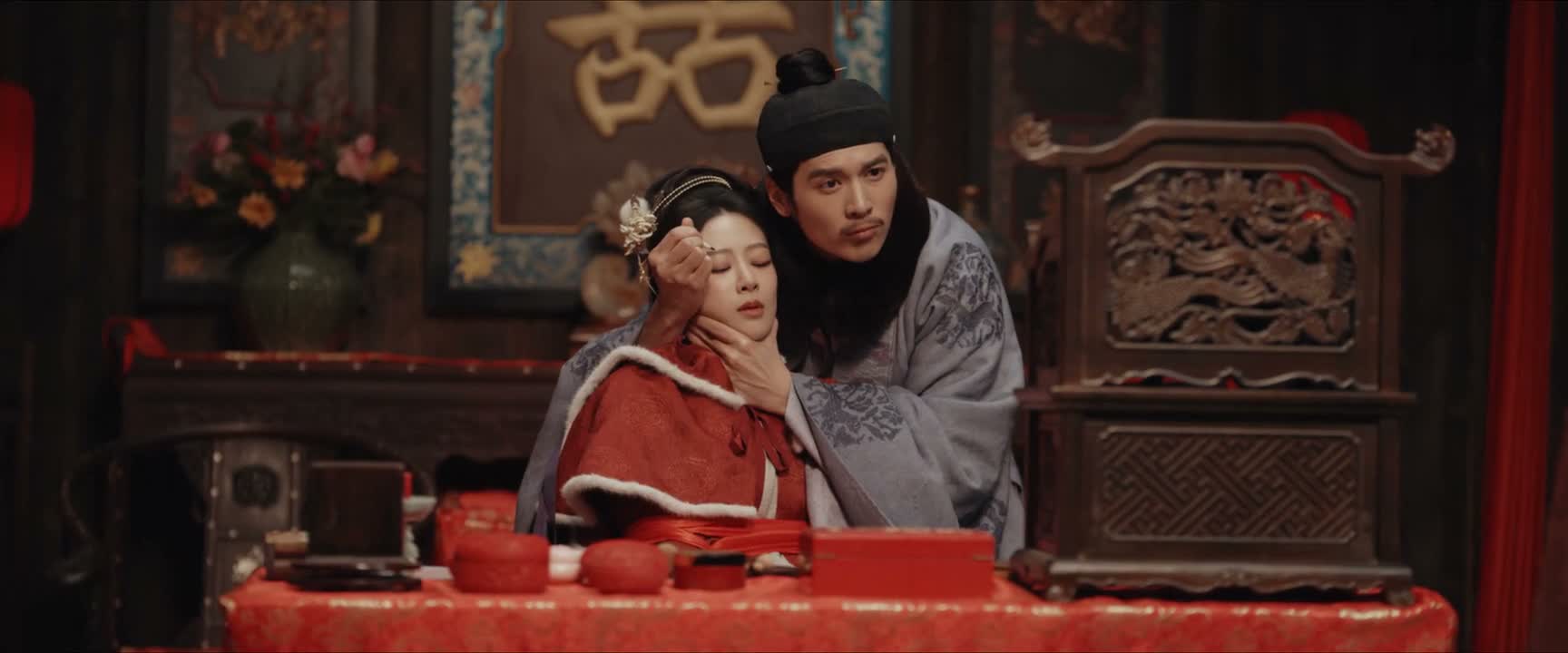
“I know you hate me.”