我知道你这几日总在想办法 哄我高兴呢
“I know you've been trying to cheer me up.”
THE DIALOGUE REEL
光是这几日 我都看到娘哭了好几次了 行了
“I've already seen her crying a few times over the past few days. All right.”
我知道 你这几日总在 想办法 哄我高兴 呢
“I know you've been trying to cheer me up.”
我知道
“I know”
“I see how hard you are trying to make me smile, and I appreciate it, so do not worry too much about me.”
In Chinese familial dynamics, explicit displays of sadness are often countered with quiet, considerate actions rather than grand verbal declarations.
LEARNING CHUNKS & PARTICLES
to figure out a way / to try to find a solution
A common everyday collocation used when attempting to resolve a problem or achieve a goal.
to coax me into being happy / to cheer me up
Used when someone tries affectionately or playfully to improve another person's bad mood.
Softens the assertion and highlights an ongoing state or action with warm, affectionate familiarity.
VOCABULARY & EXPRESSIONS
Parallel Spoken Cinema Scenes (语义近邻切片)

“I know you're just saying this to cheer me up.”
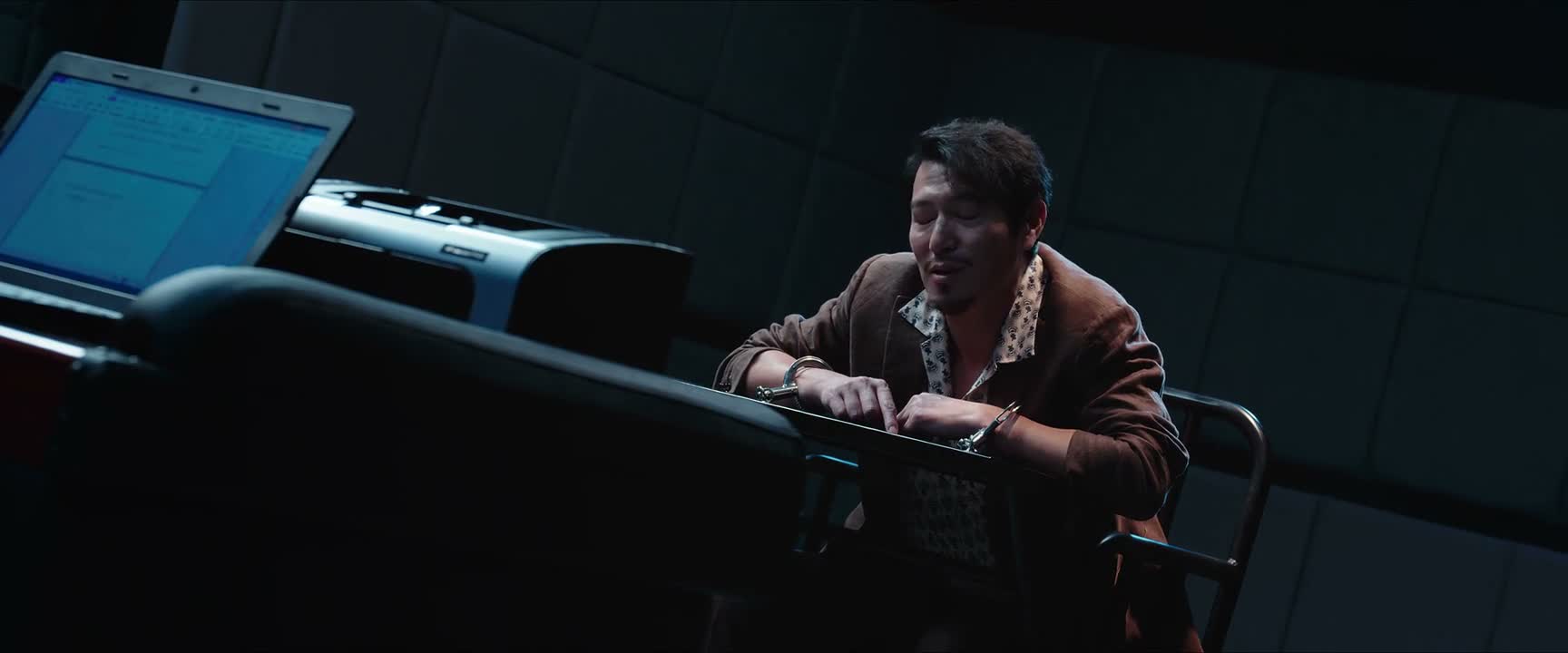
“if you cheer me up, I might remember something.”

“that you wanted to stay with me and have fun every day.”

“making me happy. Please cooperate. Alright.”